The drinking that does not look like drinking
You are not an alcoholic. You function beautifully. There is a bottle open most nights though, and you have quietly noticed it is more than it used to be.


You are not an alcoholic. You function beautifully. Work gets done. Bills get paid. Children get fed. Nobody has staged an intervention. Nobody has suggested you have a problem.
There is a bottle open most nights though, and you have quietly noticed it is more than it used to be.
You drink good wine. Natural wine, probably. Organic. From small vineyards you learned about through newsletters written by people who sound like they know things. You follow the right accounts. You understand tannins. You can talk about minerality without sounding like you are performing knowledge you do not have.
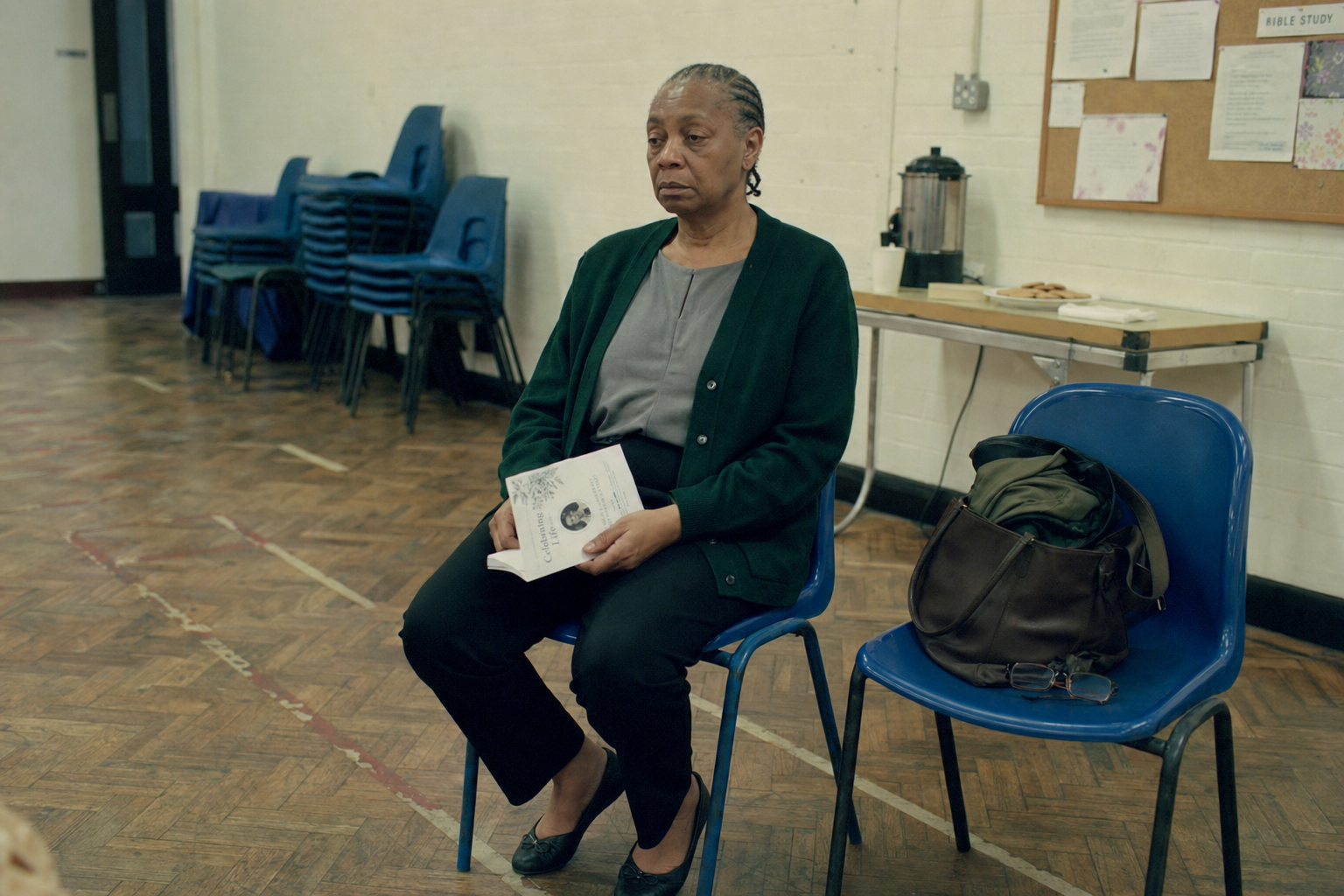
The drinking is intelligent. Considered. Adult. It has nothing to do with the drinking that ends careers or breaks up families or leads to meetings in church halls. It is wine with dinner. A whiskey to unwind. A beer while cooking. A nightcap because you read somewhere it helps you sleep.
Except you are drinking it alone more often than you used to. And you are finishing bottles faster than you planned to. And you have started calculating how much is left while you are drinking it. And you have started thinking about drinking before you start drinking.
You probably do Dry January. Maybe Sober October. You complete it successfully and congratulate yourself on having no problem with alcohol. Then you go back to drinking exactly as much as you were drinking before, only now with the reassurance that you can stop when you want to.
The drinking is not the problem. The drinking is the treatment.
What you are treating is something sober-curious content will not reach. Something that twelve-step programs are not designed for. Something that cutting back will not solve.
What you are treating is a nervous system that has learned to live at a baseline of activation that feels normal to you but is actually exhausting. A body that has been holding tension for so long that tension feels like home. A mind that has been running the same thoughts on loop for so long that the loop has become background music you cannot turn off.
The wine turns down the volume. Not all the way off. Just down. Enough that you can sit still without fidgeting. Enough that you can watch something without thinking about tomorrow. Enough that your shoulders drop an inch. Enough that you remember what it feels like to be in your body rather than slightly outside it.
This is why cutting back does not work. This is why moderation feels impossible. This is why you can stop for a month but cannot stop for good. You are not medicating feelings. You are medicating your baseline. And your baseline will not change by changing your drinking. Your baseline will change when you change the pattern that created it.
High-functioning people who drink like this are not drinking because they are sad. They are drinking because they are tense. They are not drinking to celebrate. They are drinking to come down. They are not drinking to socialize. They are drinking to feel like themselves.
Most addiction models do not account for this. Most addiction models assume you are drinking to escape something. You are drinking to arrive at something. A state that used to be natural to you but has been trained out of you by decades of running on overdrive. You are drinking to access a version of yourself that your life has no room for when you are sober.
When someone comes to me with this pattern, we do not focus on the drinking. We focus on what the drinking is doing. What state it is creating. What feeling it is providing. Then we work on creating that state and providing that feeling without the wine. This is not willpower work. This is nervous system work.
When the underlying pattern shifts, something interesting happens. The drinking does not require management. It does not require counting or tracking or rules. It becomes genuinely optional. You can have a glass of wine because you want one, not because your body is demanding one. You can not have a glass of wine because you do not want one, not because you are white-knuckling through another evening of forcing yourself to be present for a life that feels slightly too much without chemical assistance.
If you are drinking more than you planned to more often than you can explain, the issue is probably not your relationship with alcohol. The issue is probably your relationship with your own nervous system. Fix that and the drinking sorts itself out. Keep focusing on the drinking and miss what is actually driving it, and you will manage symptoms instead of changing patterns.
You are not medicating a problem. You are medicating a pattern. Change the pattern and you will not need the medicine.

Subscribe to our newsletter