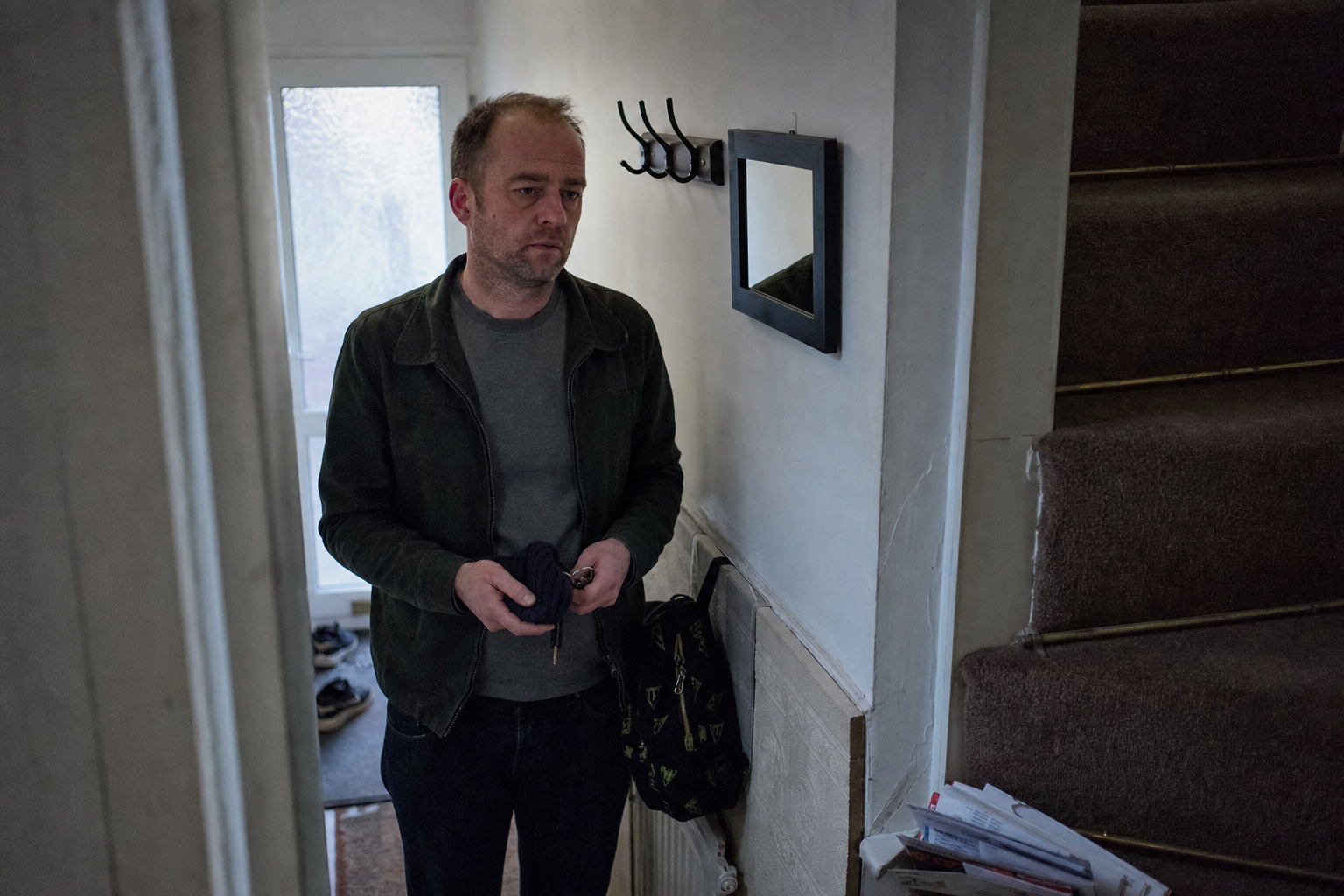
Why hating your job is not the problem you think it is
You hate your job. You have hated it for about eighteen months. Before you quit, before you hire a coach to help you pivot


You hate your job. You have hated it for about eighteen months. Before you quit, before you hire a coach to help you pivot, before you take the sabbatical, read this.
The job might not be the problem. The job might be a screen onto which you are projecting something else, and the change you are about to make will not fix it.
Here is how to tell the difference.
If you hated this job from day one, the job is probably the problem. Wrong culture. Wrong role. Wrong industry. Wrong boss. You never fitted, you always knew you never fitted, and you stayed longer than you should have because leaving felt like giving up. That is a job problem.
If you loved this job for two years and then slowly started to hate it, despite nothing about the job changing, the job is probably not the problem. The problem is probably you. Not you as in you are broken. You as in something in your relationship to work, to pressure, to performance, has shifted, and the same job that used to energise you now drains you.
Most people cannot tell the difference because they are living inside the feeling. When you hate something, it feels like the thing you hate is the problem. But hate is often displaced. You hate the job because you cannot hate the pattern that is making the job impossible.
The pattern usually looks like this. You start the job competent and confident. You deliver good work. You get recognised for good work. You take on more responsibility. You rise to meet the responsibility. You get recognised for rising to meet the responsibility. You take on more responsibility.
This cycle continues until you are operating at a level of responsibility and pressure that requires you to be someone different from who you were when you started the job. Not because the job changed. Because you changed. You became someone who can handle more, deliver more, manage more, tolerate more.
The problem is, the version of you that can handle all of that is not sustainable. That version requires you to override your natural rhythms. To ignore your body's signals. To defer your needs. To postpone rest. To suppress doubt. To perform confidence you do not feel. To be available when you want to be unavailable. To be decisive when you want more time. To be certain when you are confused.
After two years of being that version of yourself, that version starts to cost more than it earns. You start hating the work not because the work is bad, but because the work requires you to be someone you can no longer sustain being.
This is why changing jobs often does not fix the problem. You take the same pattern with you. You start the new job as the unsustainable version of yourself. Within six months, you are operating at the same level of pressure, carrying the same load, feeling the same resentment. The job is different. The feeling is identical.
The real problem is not that you hate your job. The real problem is that you have learned to hate the version of yourself that your job requires, and you cannot see the difference between the two.
When someone comes to me saying they hate their job, we do not start with the job. We start with the person doing the job. What version of them is showing up to work every day. What that version costs. What that version needs. What happens when we change the version instead of changing the job.
Most of the time, when the pattern changes, the job becomes tolerable again. Not because anything about the job changed. Because the person doing the job is no longer carrying it in an unsustainable way. They set boundaries they did not know they were allowed to set. They say no to things they assumed they had to say yes to. They delegate things they thought they had to do themselves. They stop performing a version of professional competence that was killing them slowly.
Sometimes the job really is the problem. Sometimes the culture is toxic. Sometimes the role is wrong. Sometimes leaving is the right answer. But if you have loved this job and are now hating it, and nothing about the job has changed, consider the possibility that the job is not the problem.
The problem might be that you have been performing a version of professional success that is unsustainable, and your body is rejecting it. Change the performance and you might find you do not need to change the job.
Before you quit, try being a different version of yourself in the same role for three months. Set the boundaries you are scared to set. Say no to the things you are scared to say no to. Ask for the support you think you should not need. Stop volunteering for everything. Stop proving you deserve to be there.
If the job is still intolerable after three months of being sustainable in it, then quit. But make sure you are quitting the job, not quitting the unsustainable version of yourself that the job exposed.

Subscribe to our newsletter