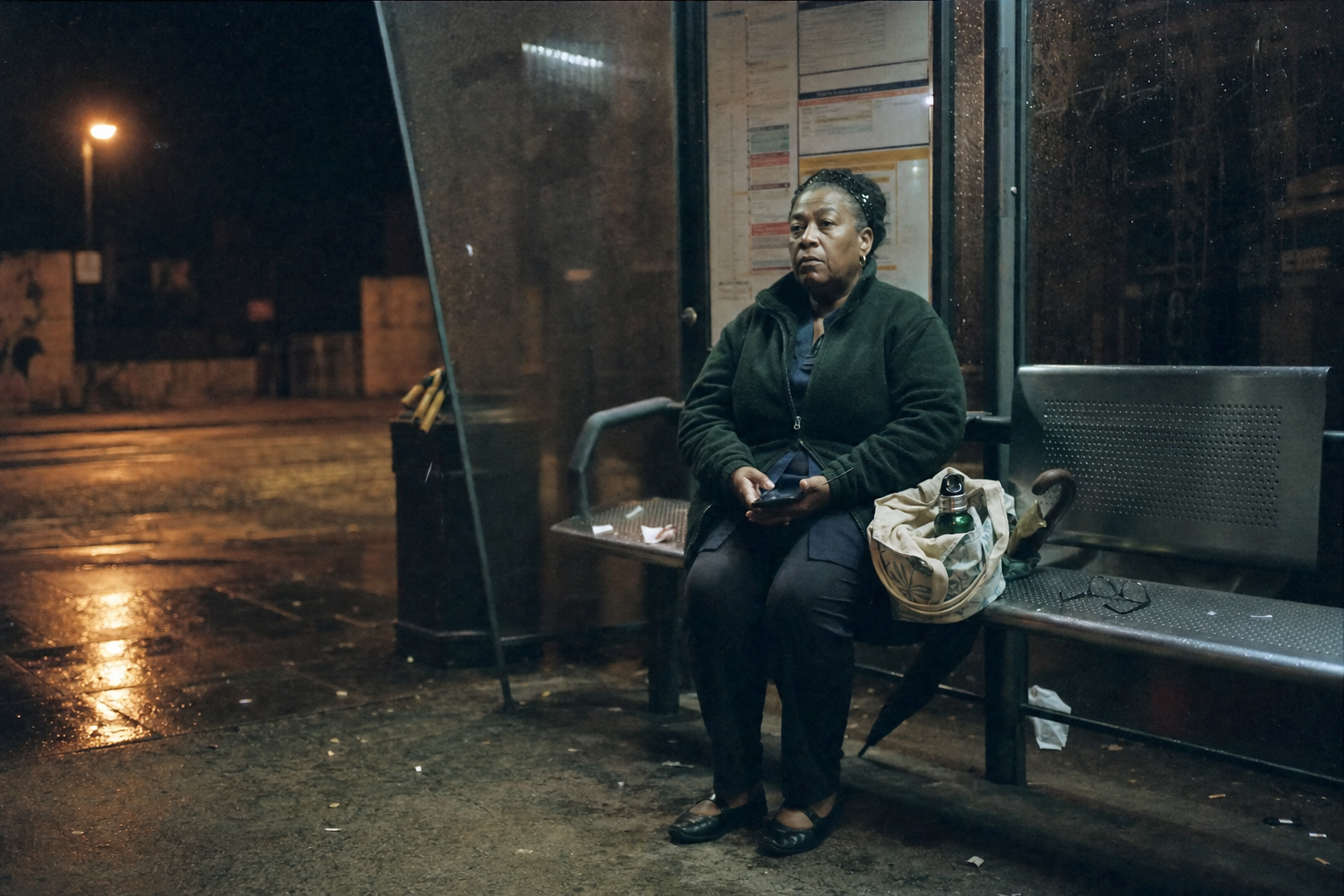
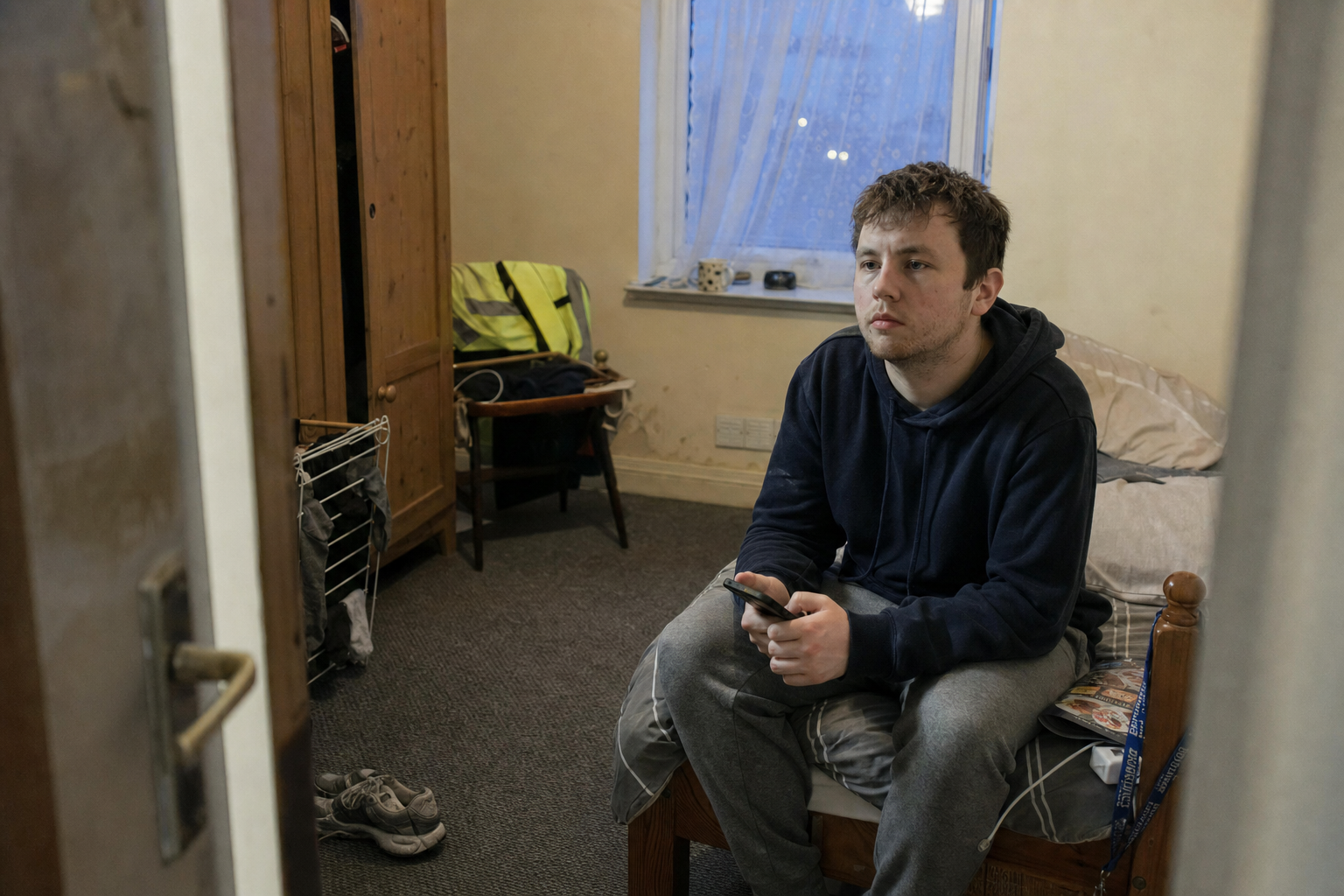
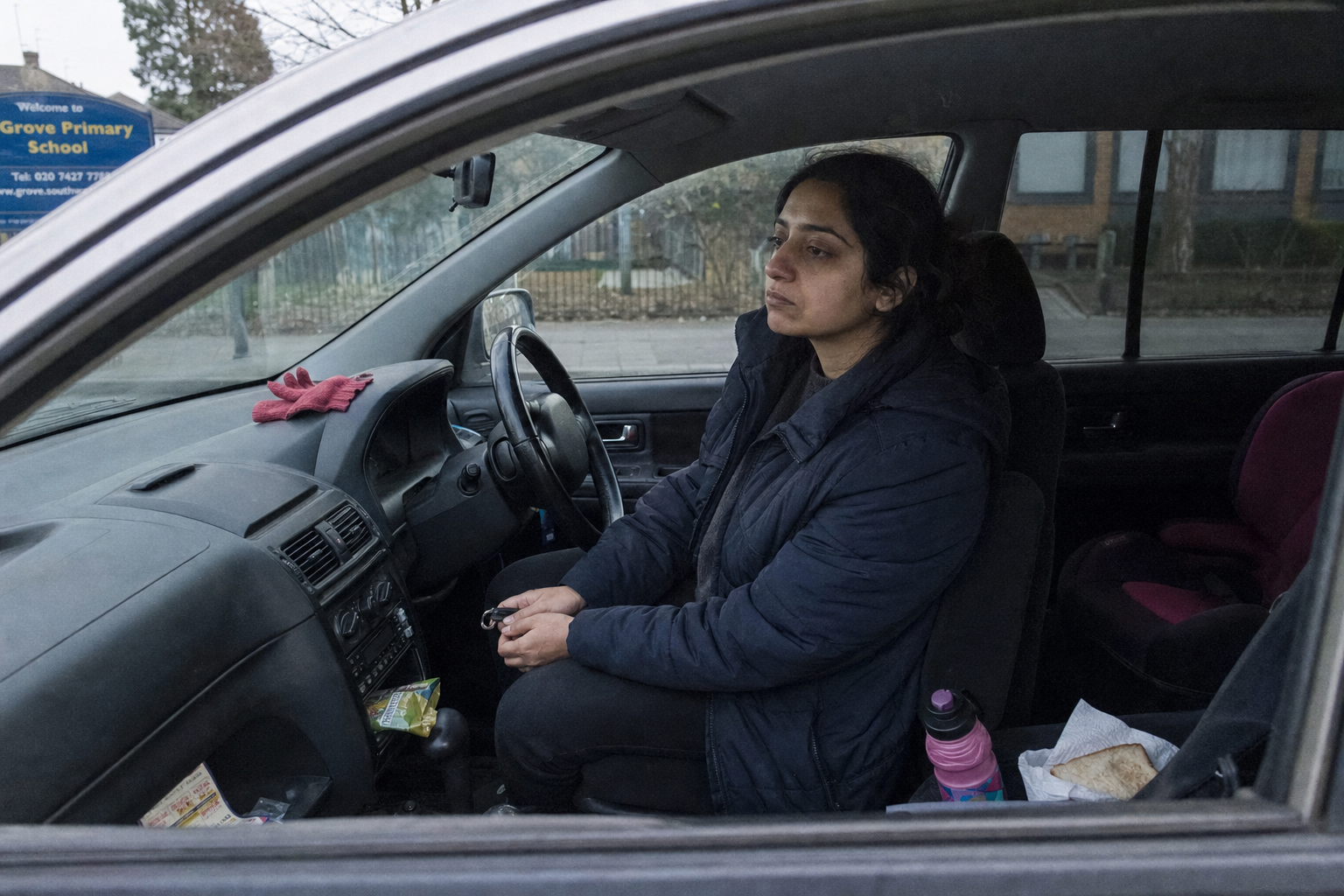
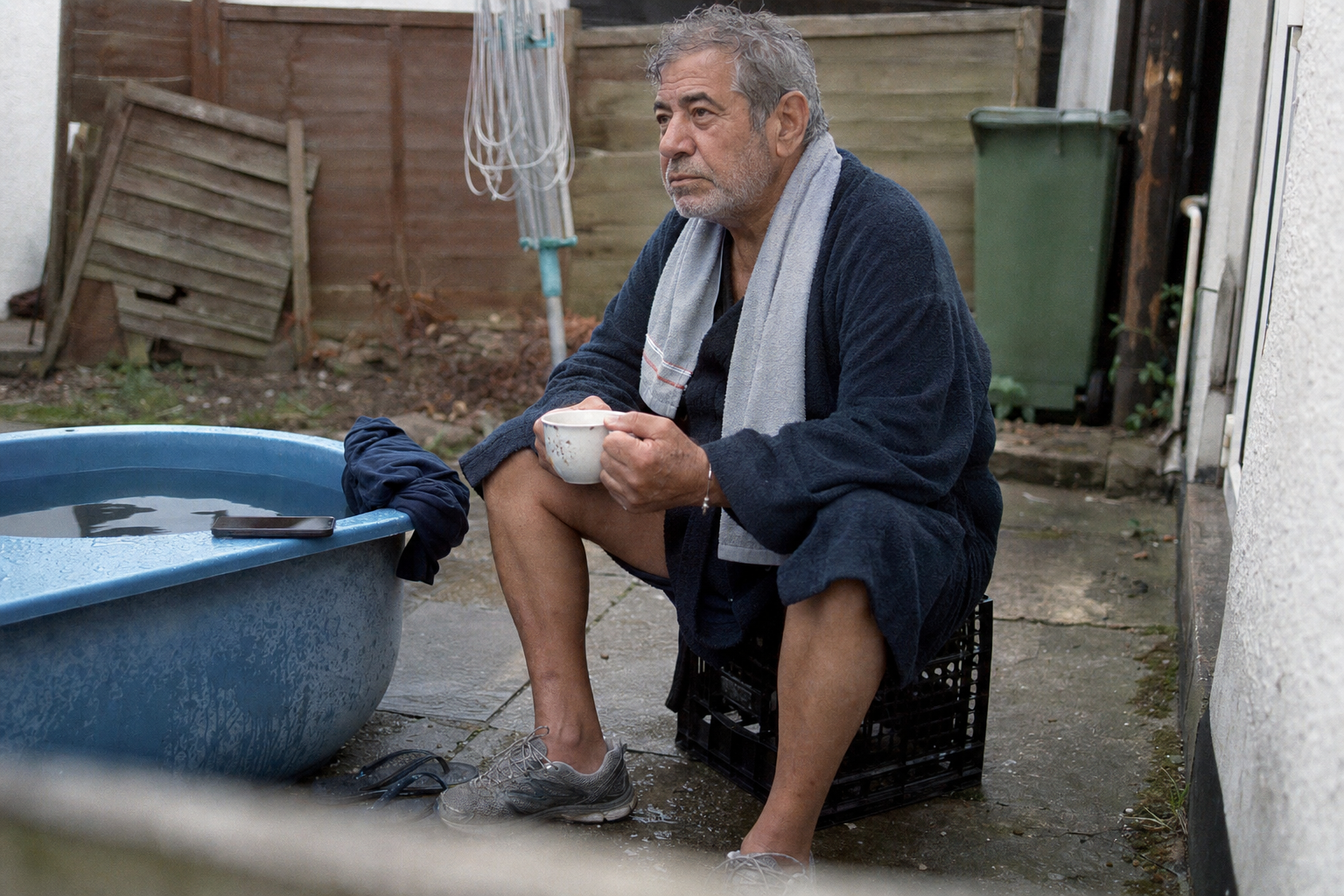
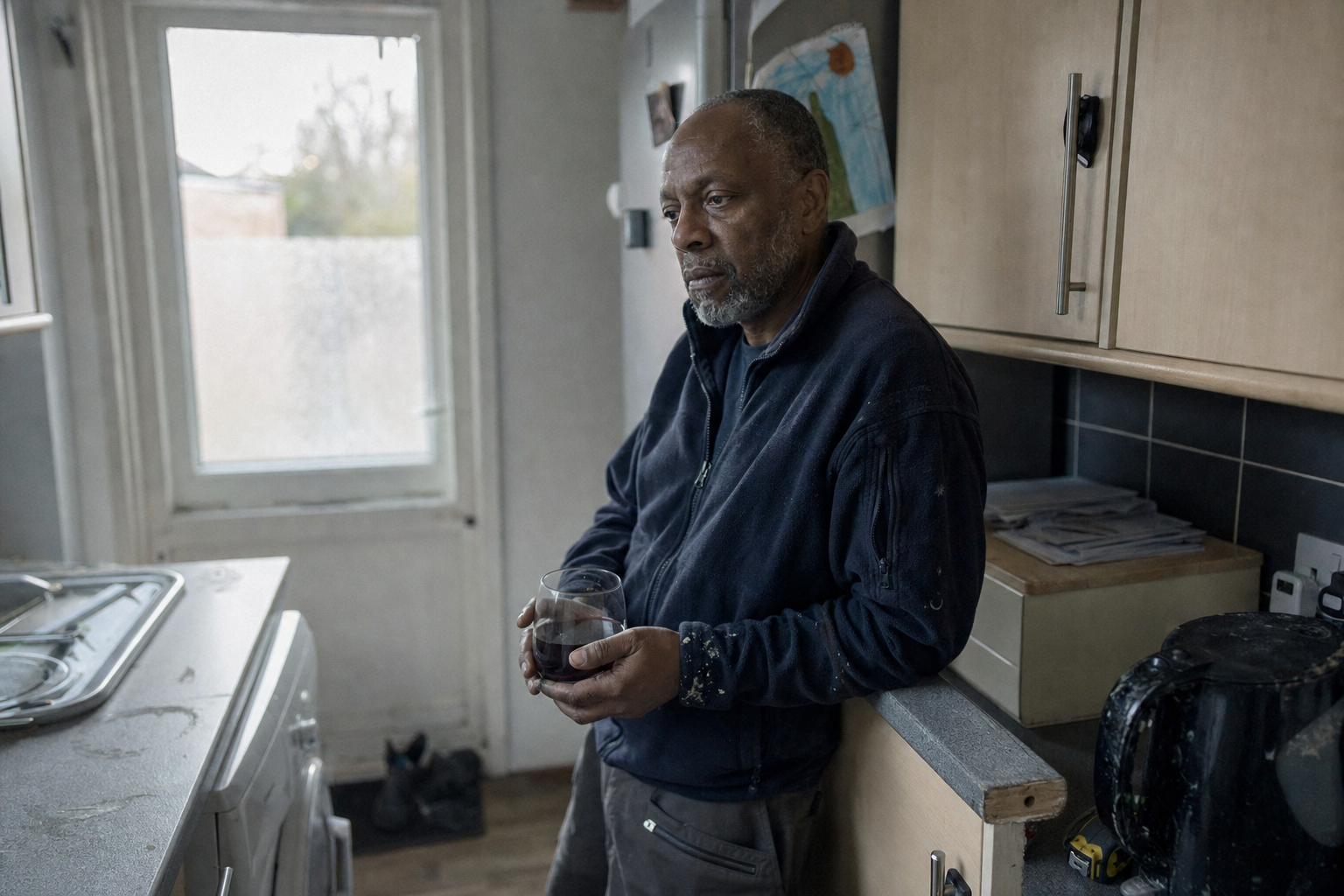
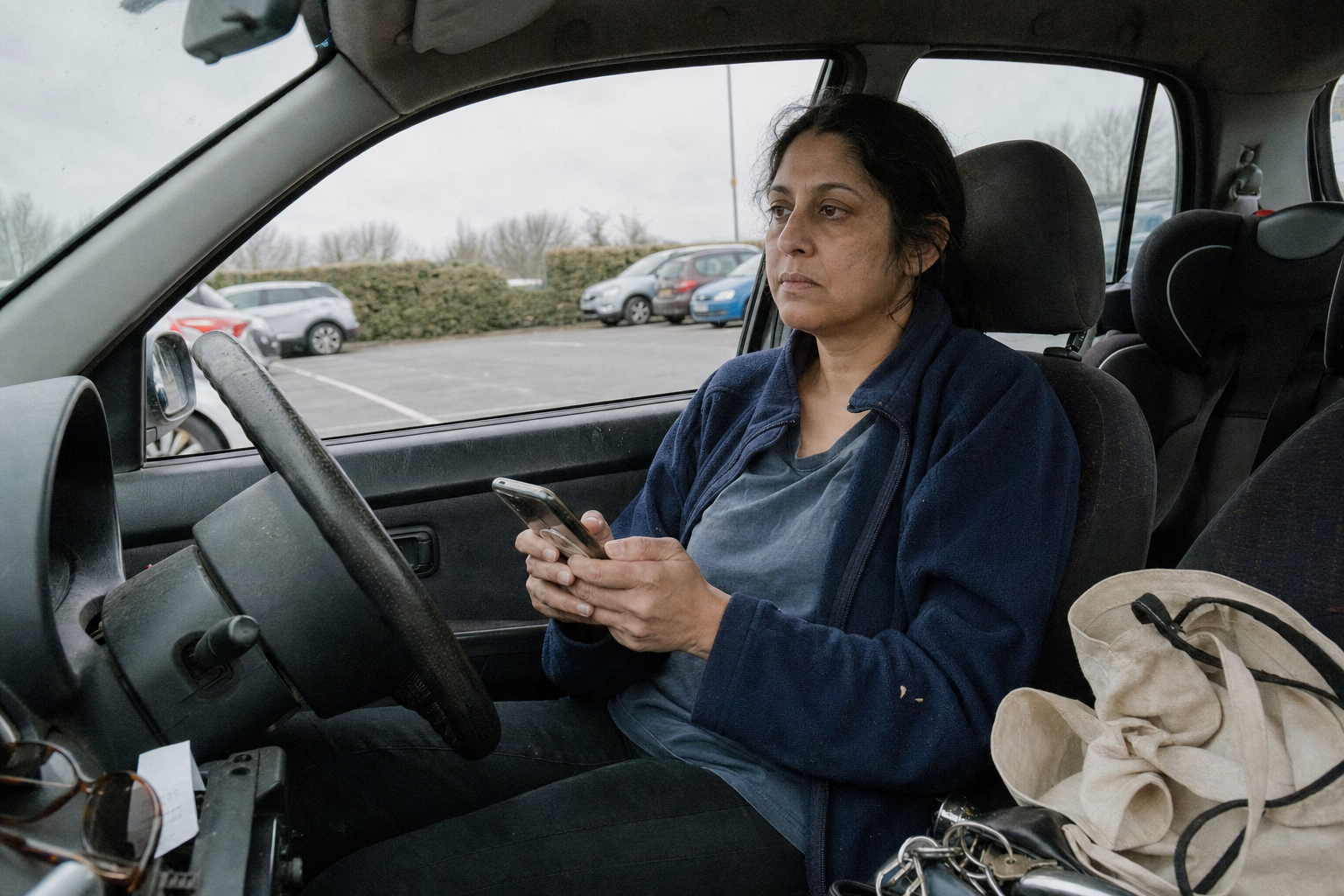
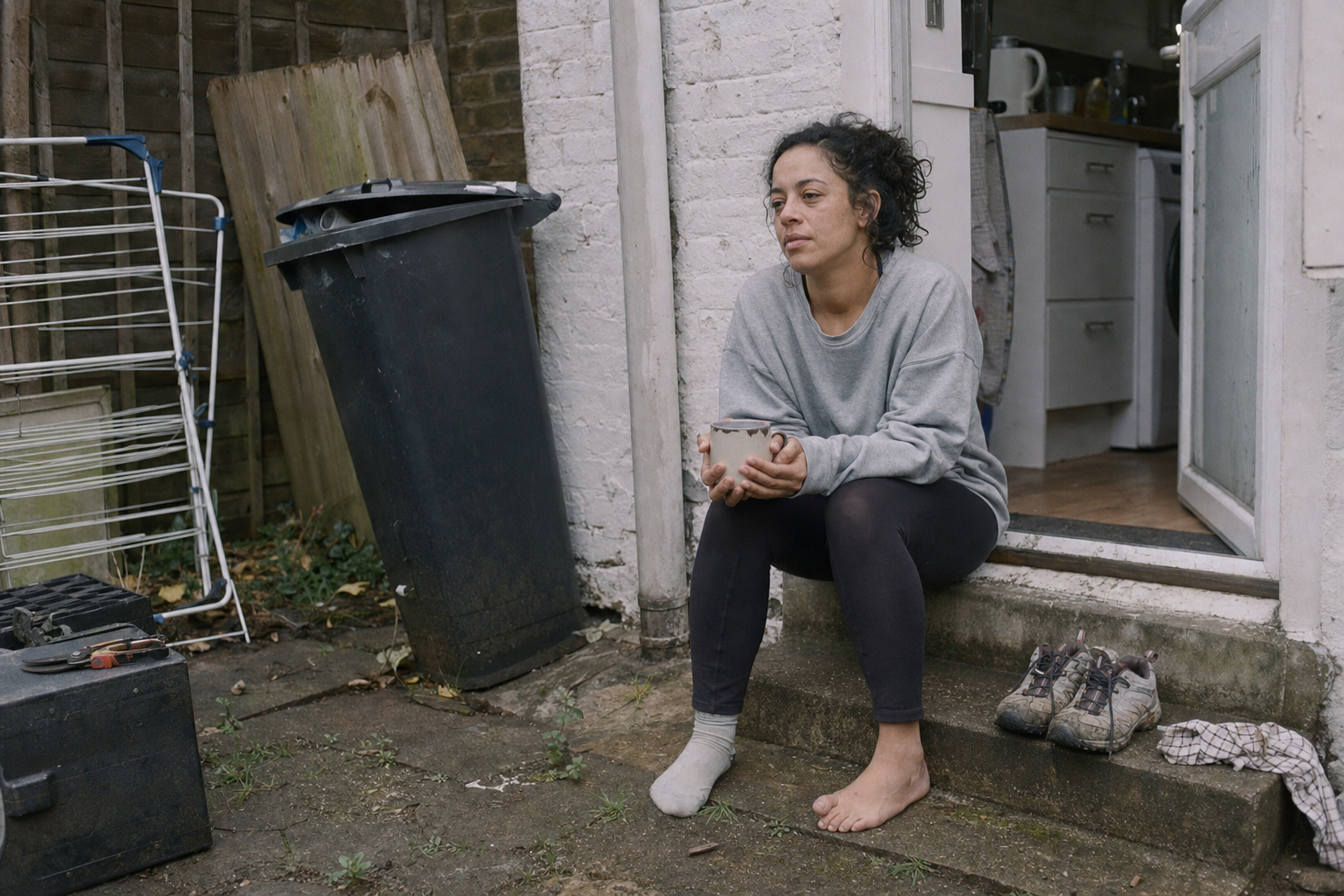
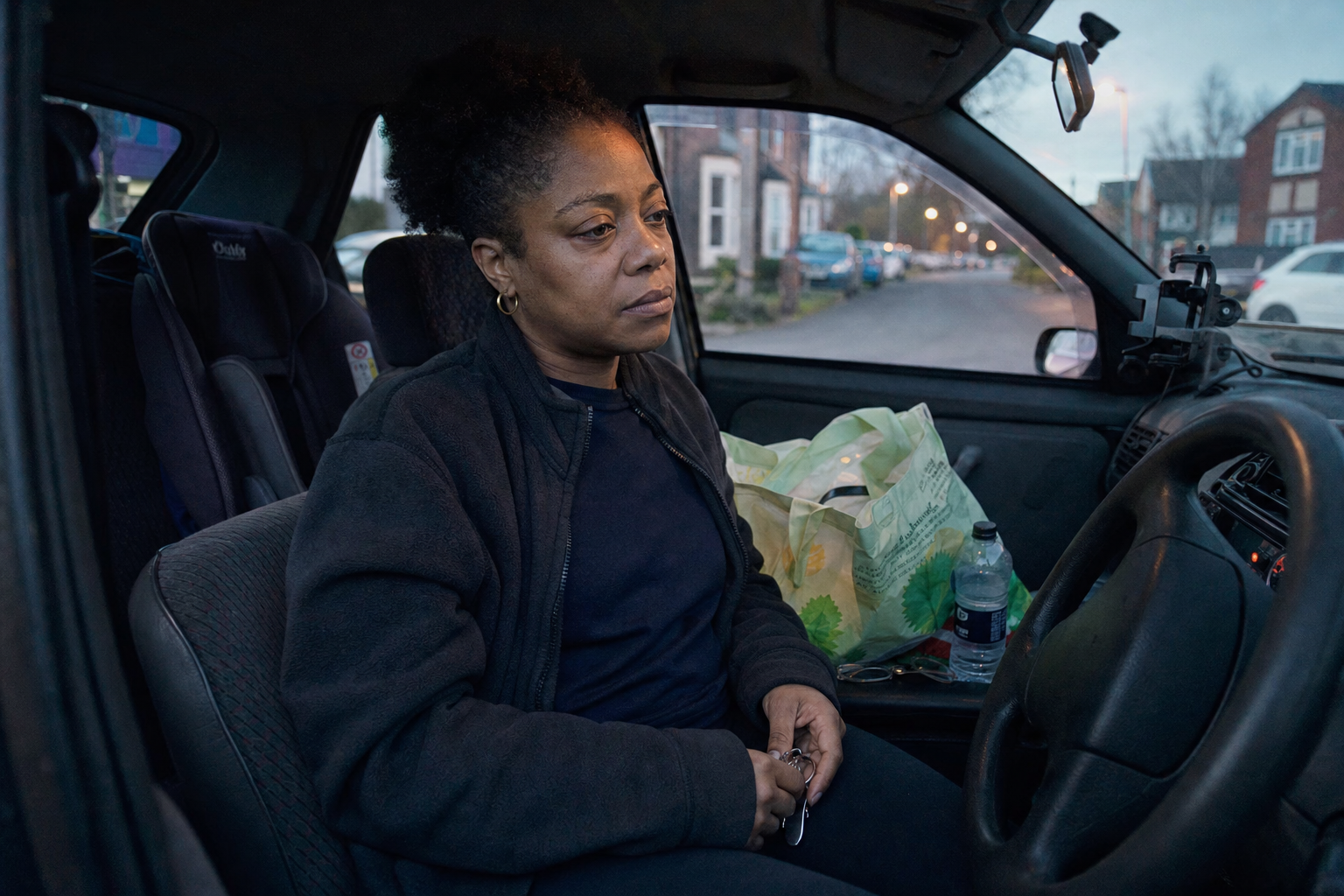
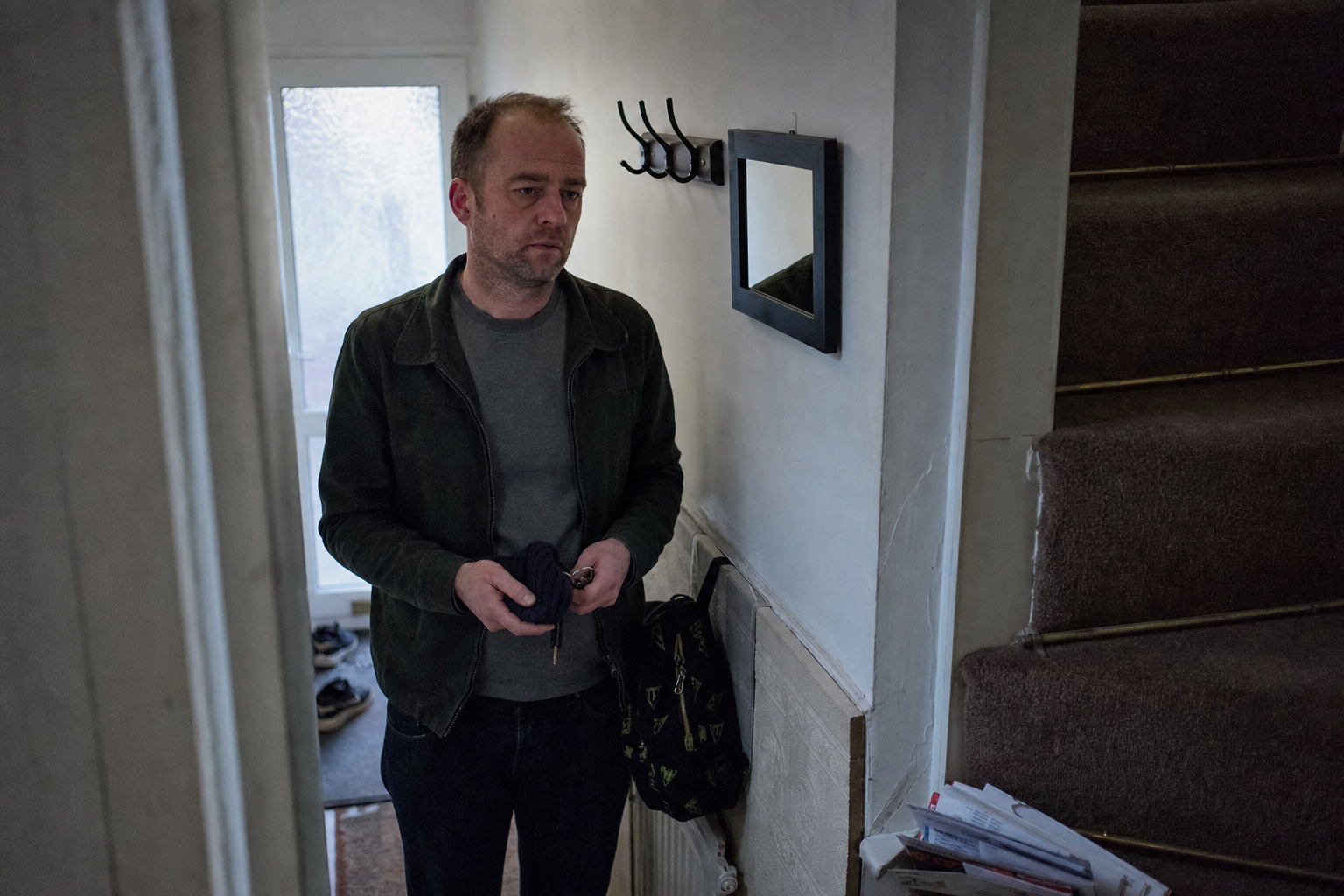
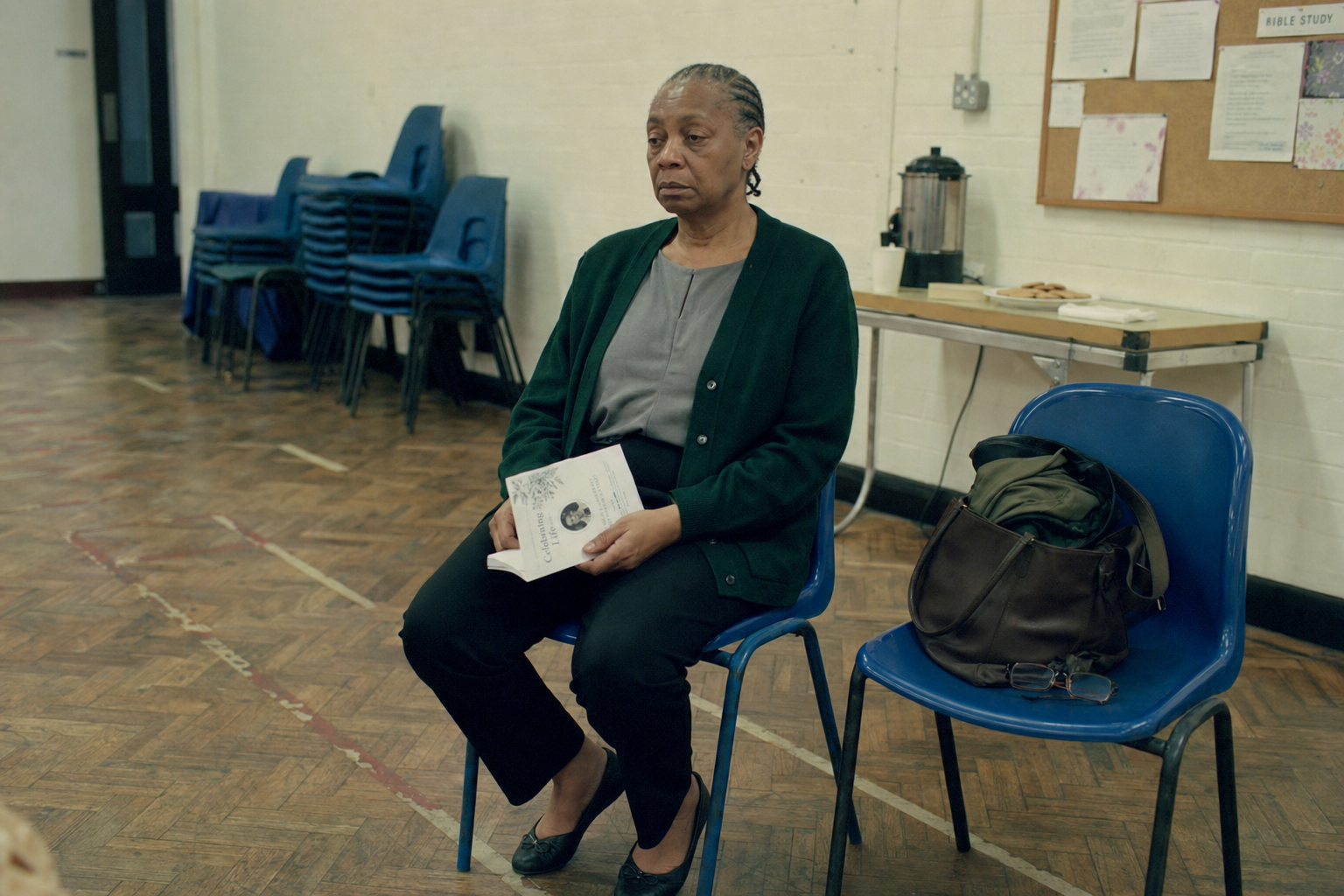
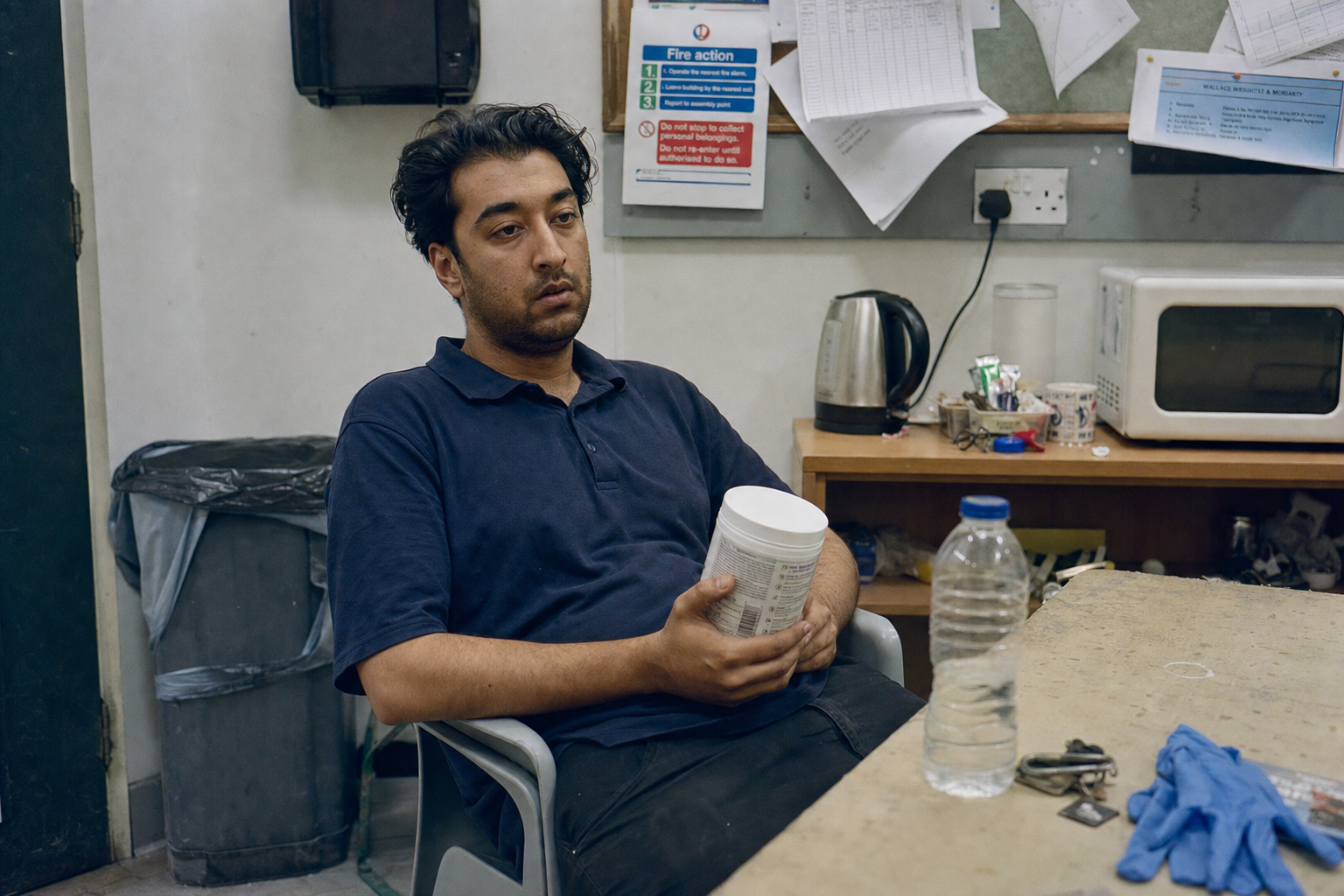
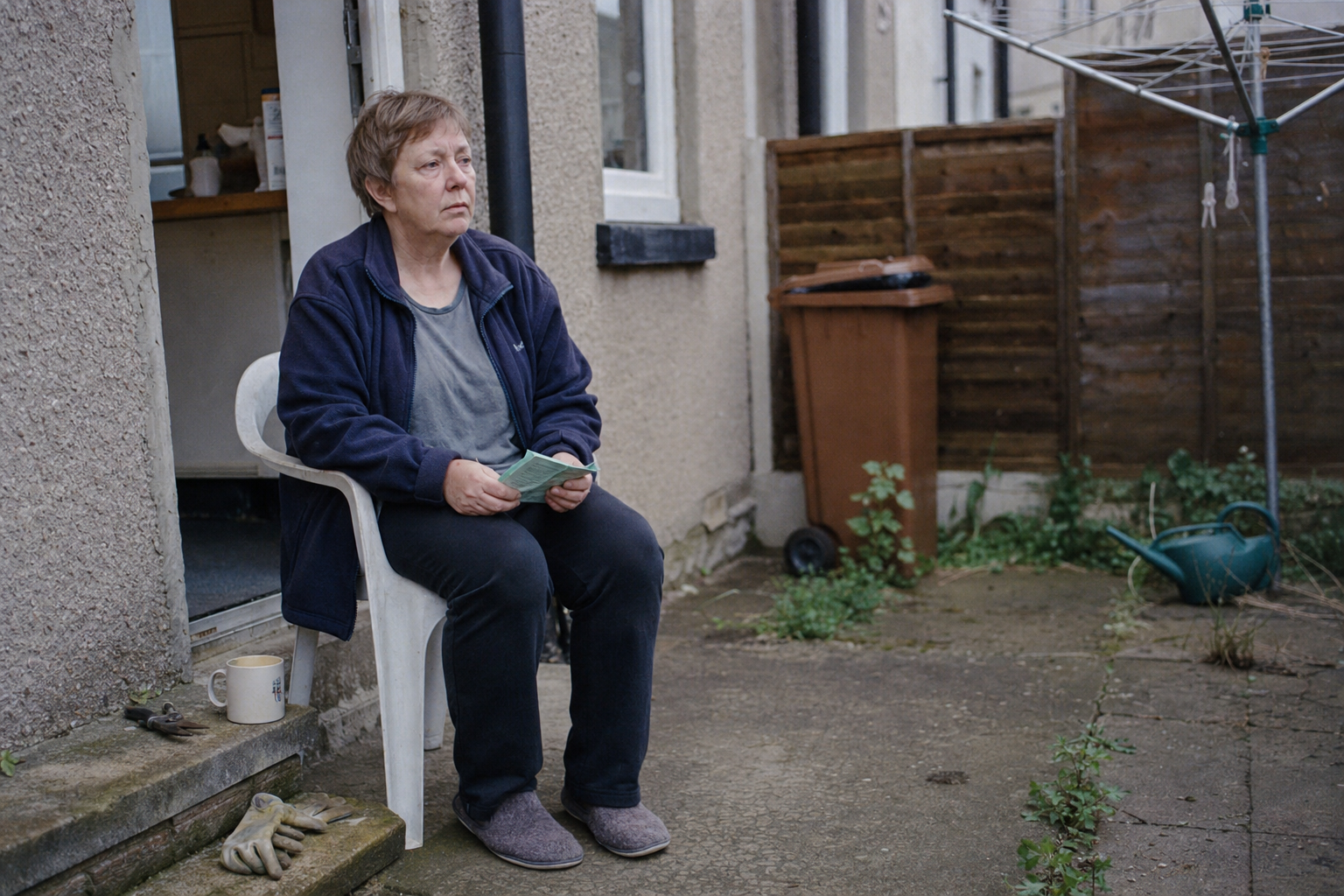
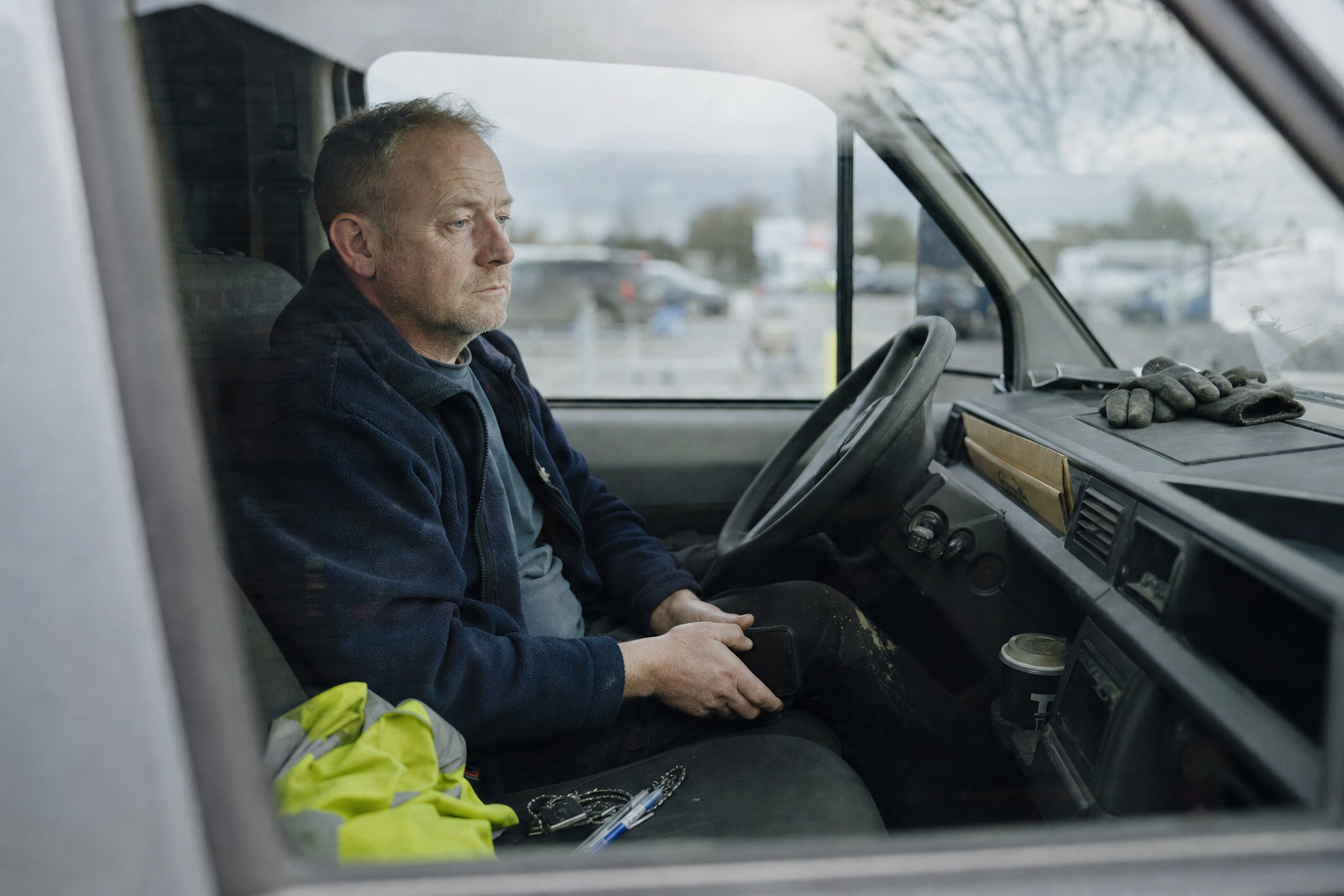
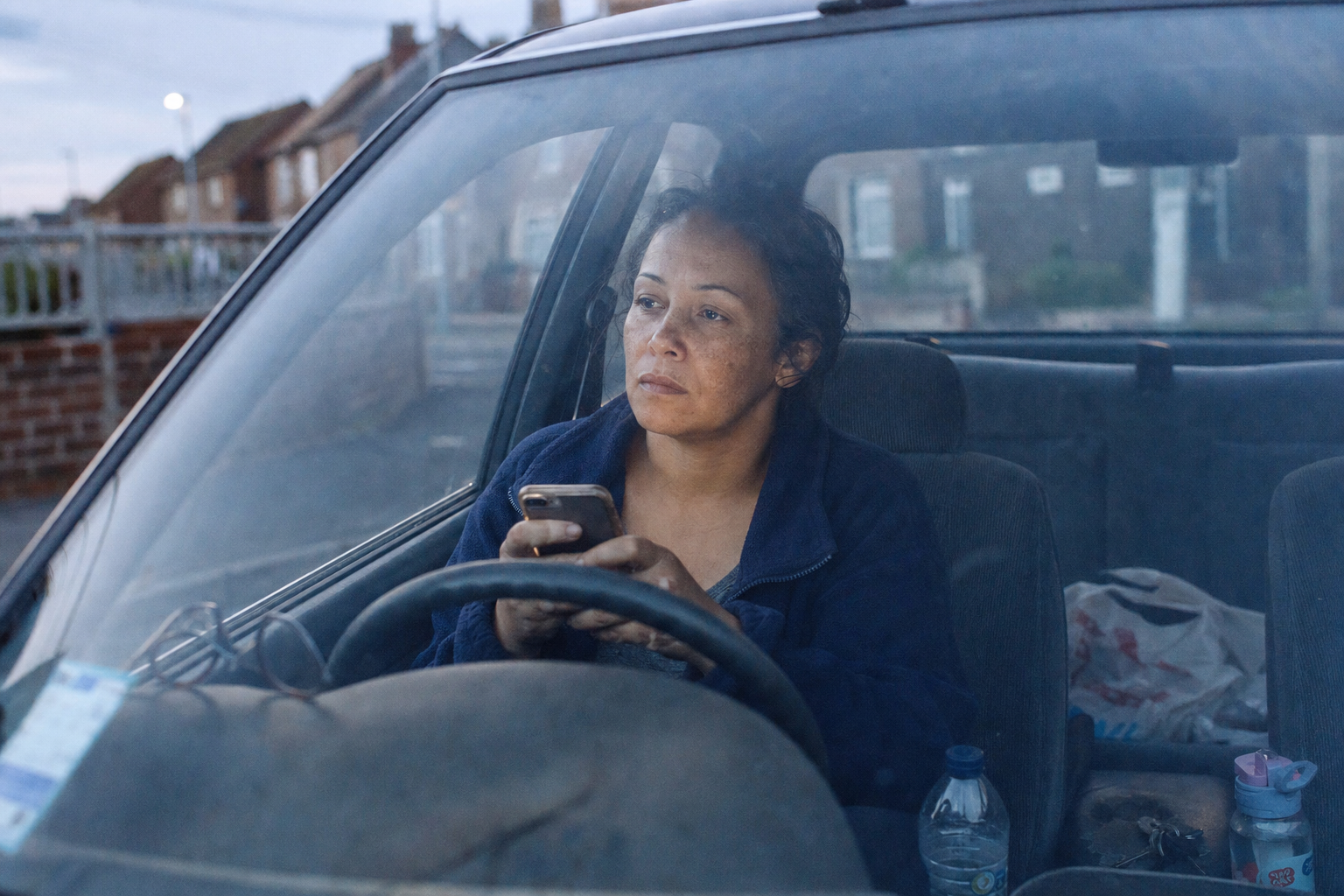
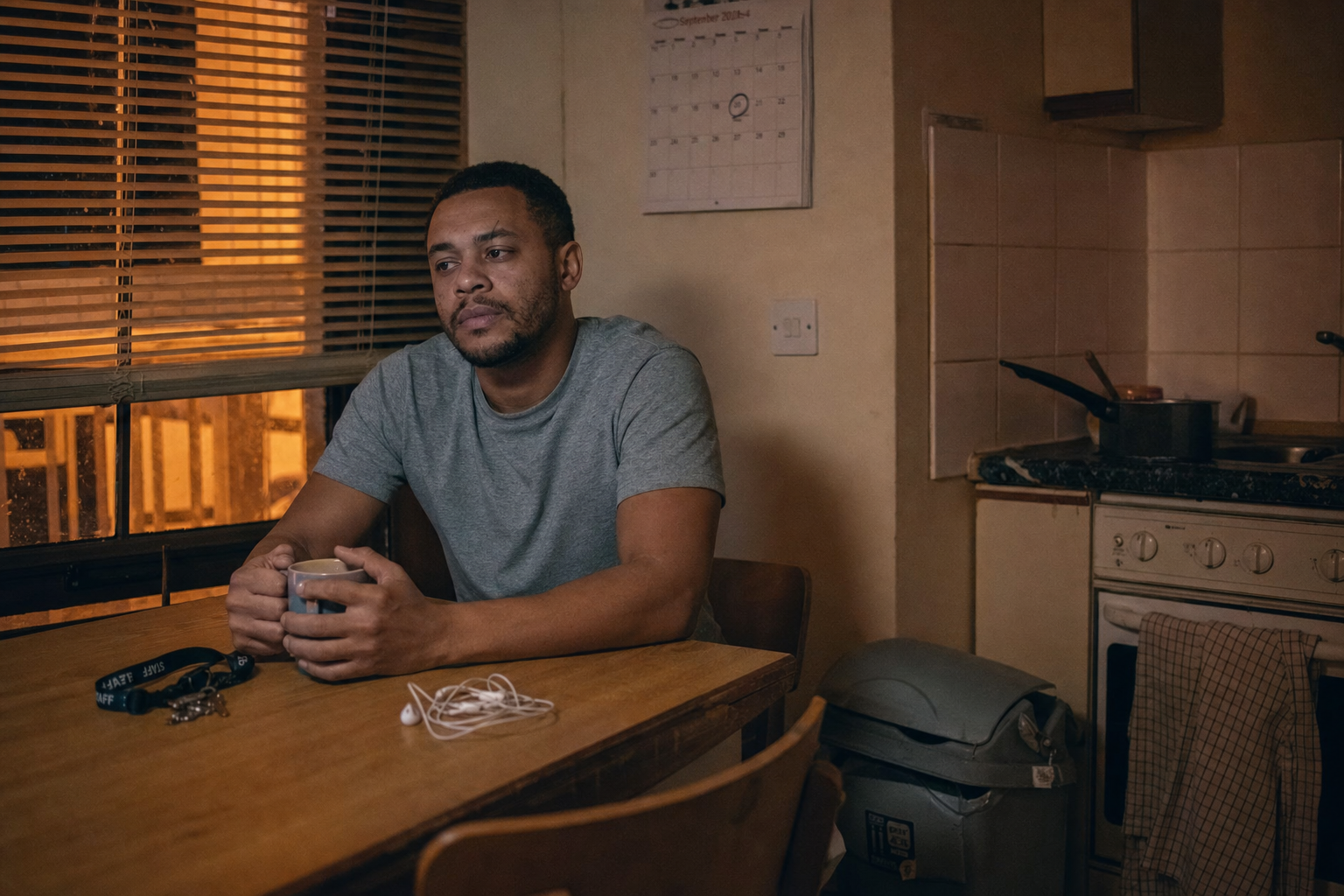
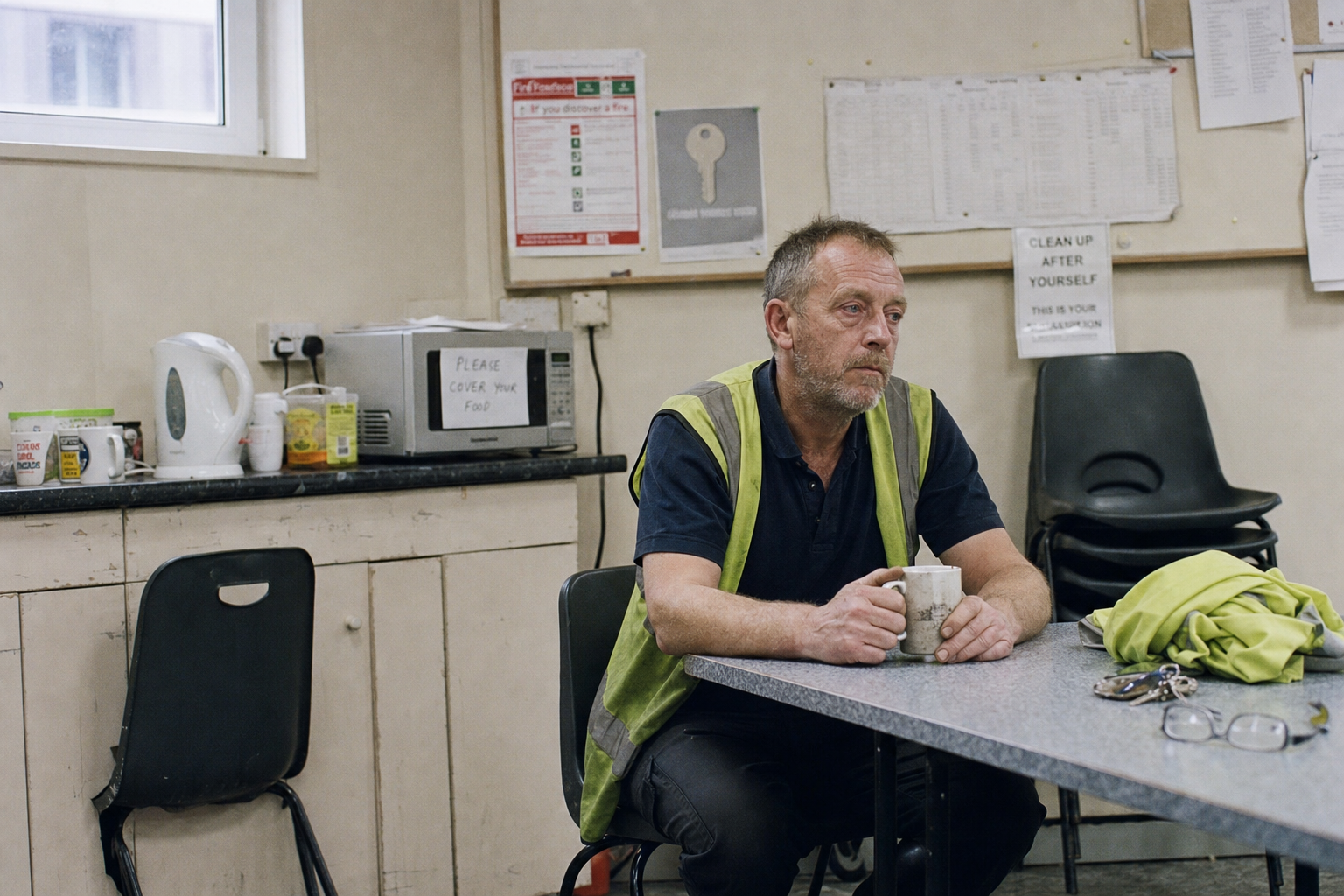
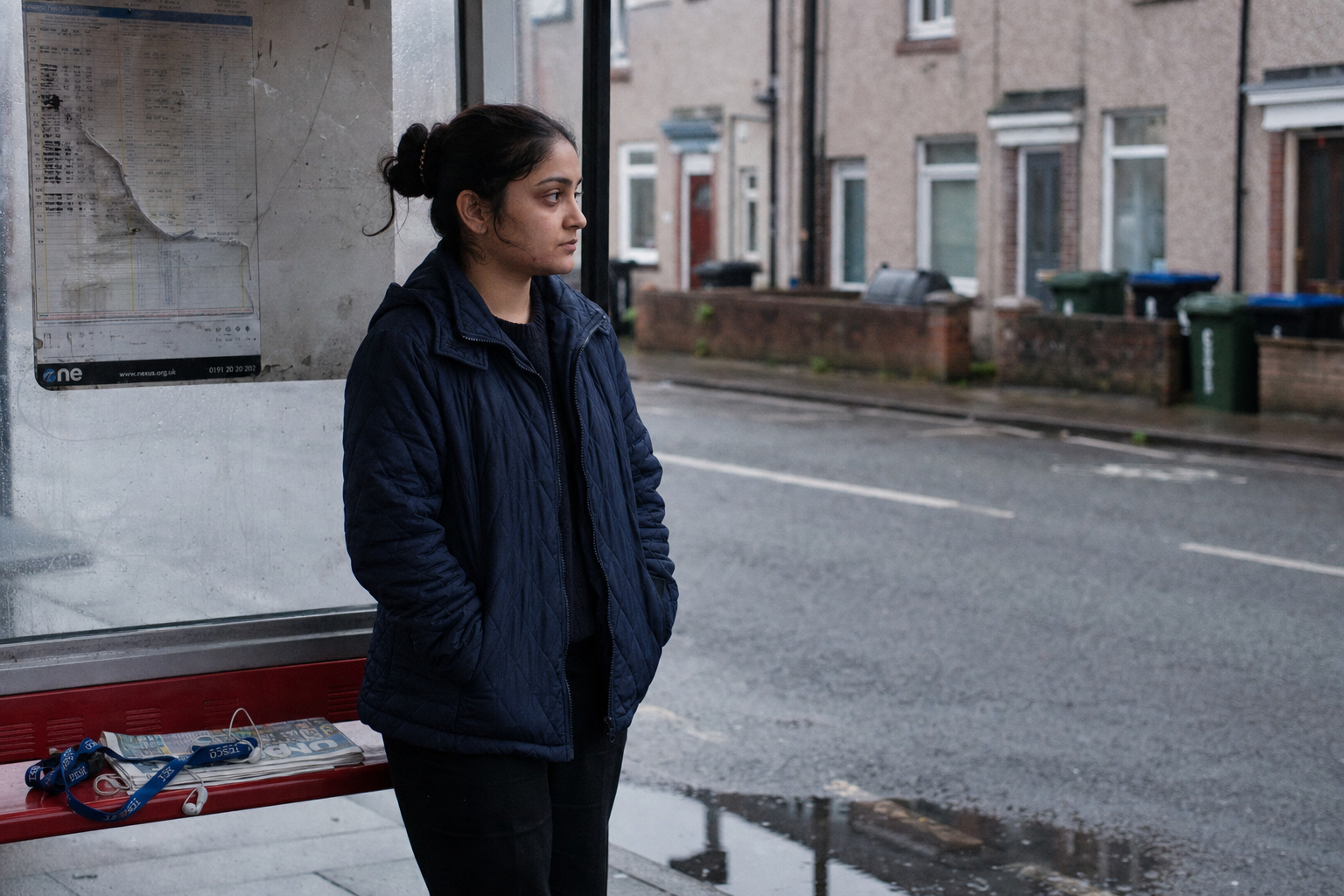
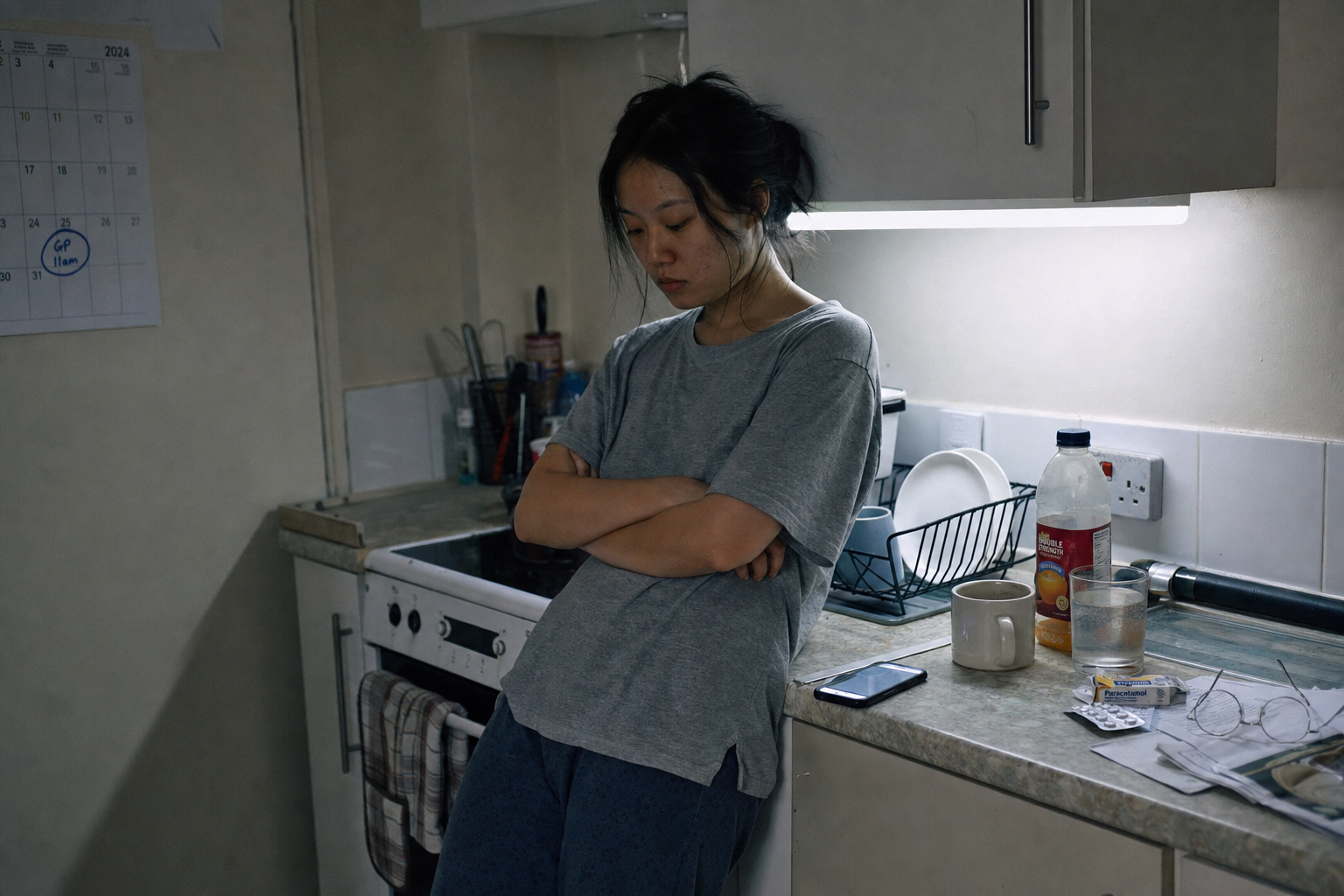
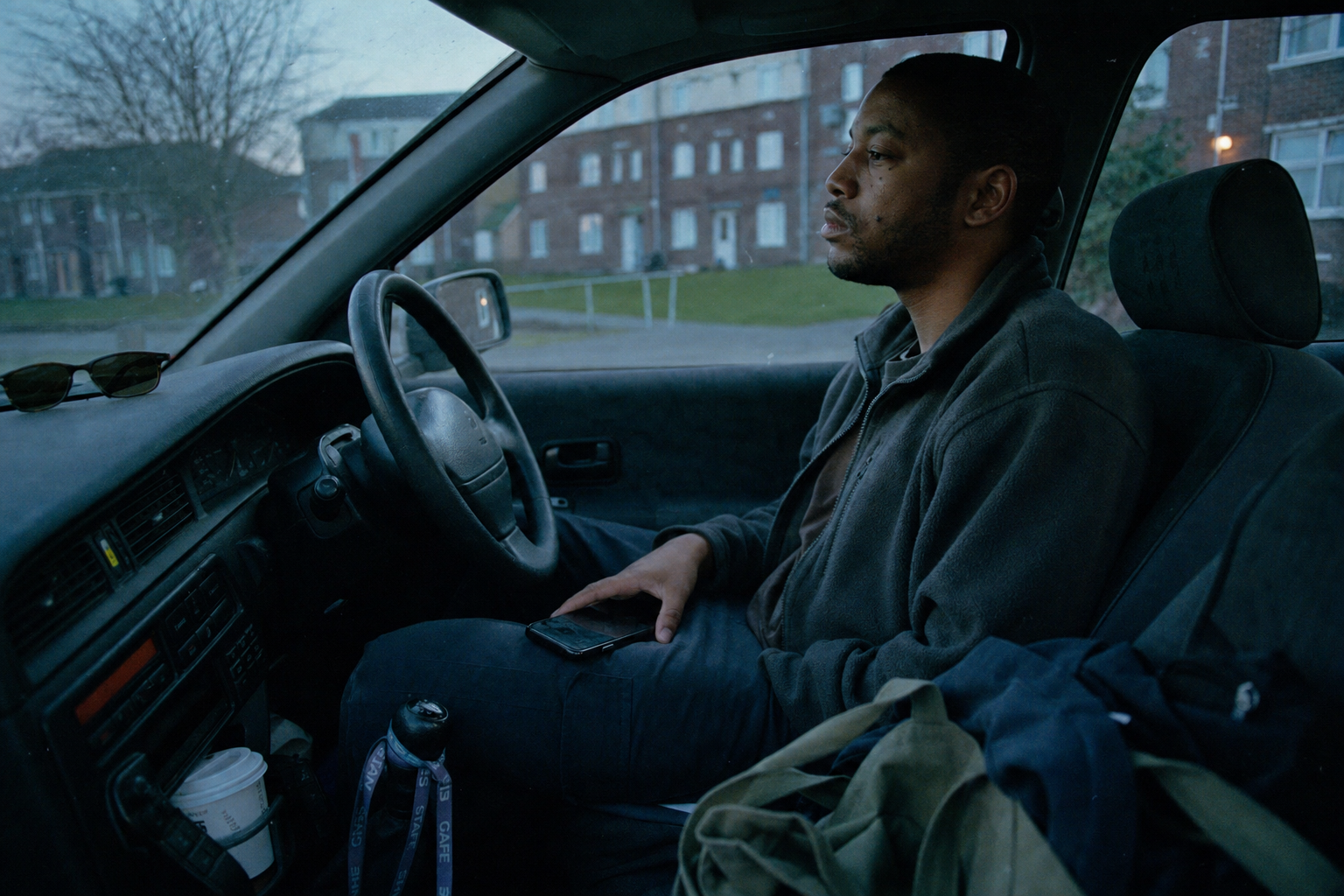
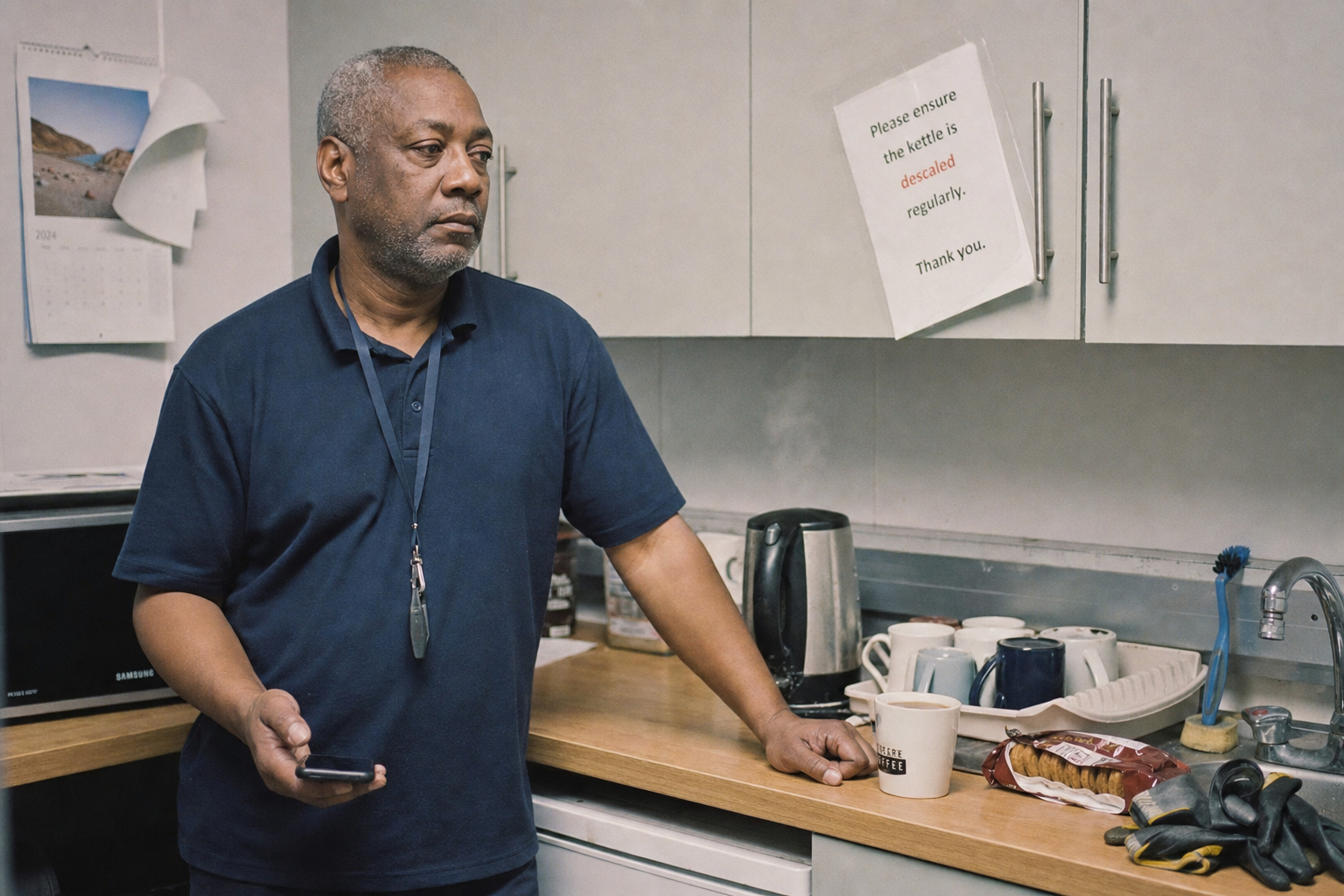
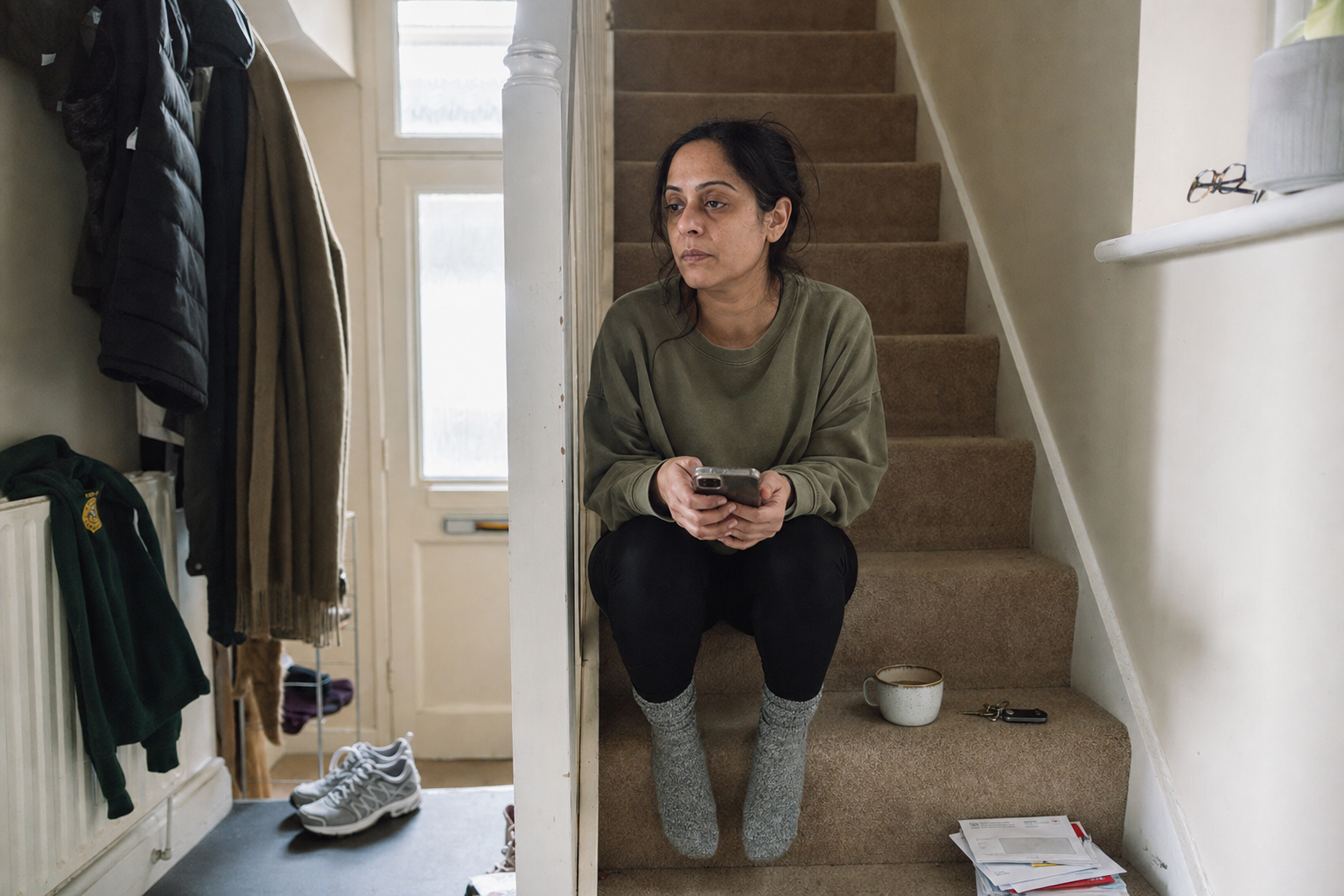
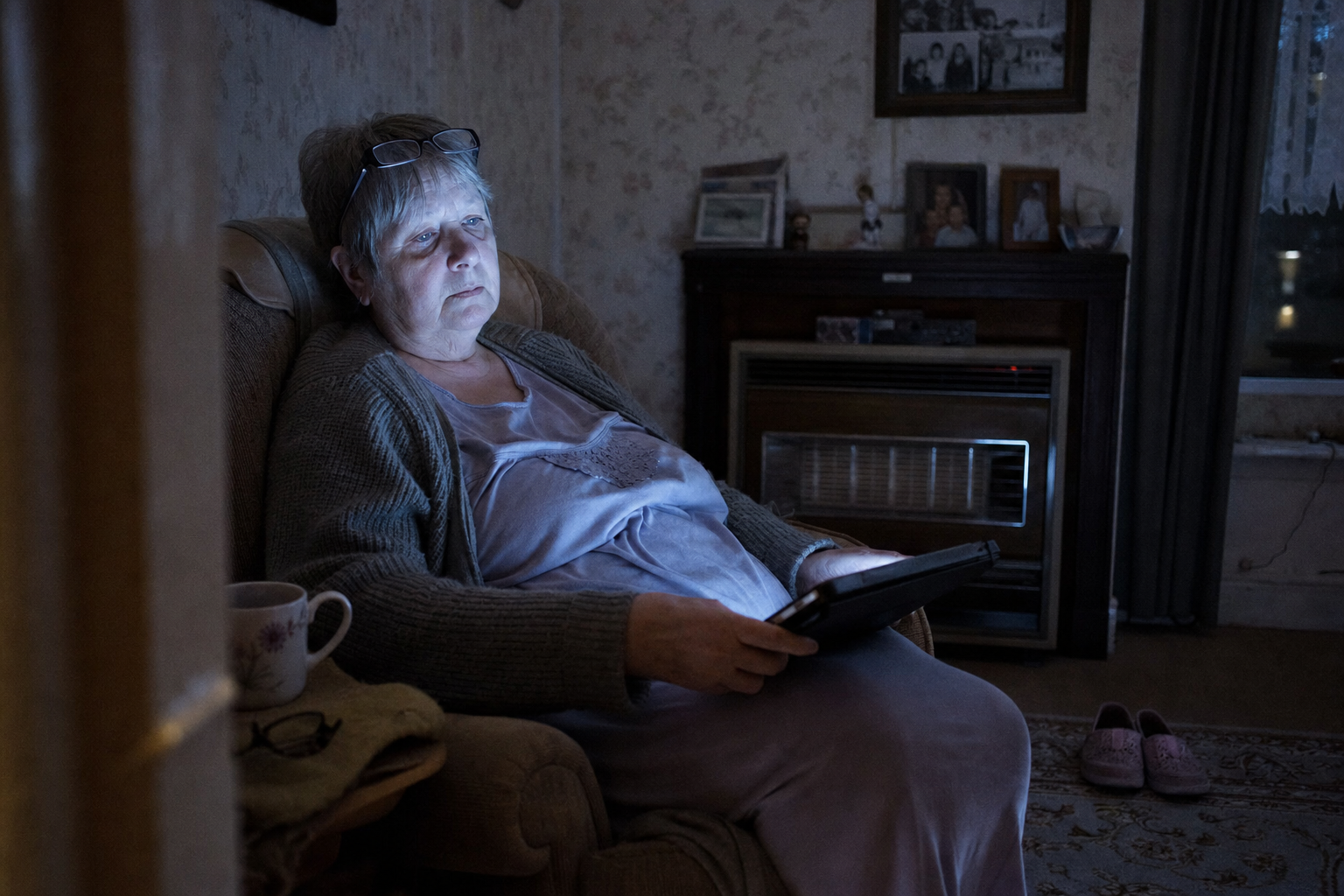
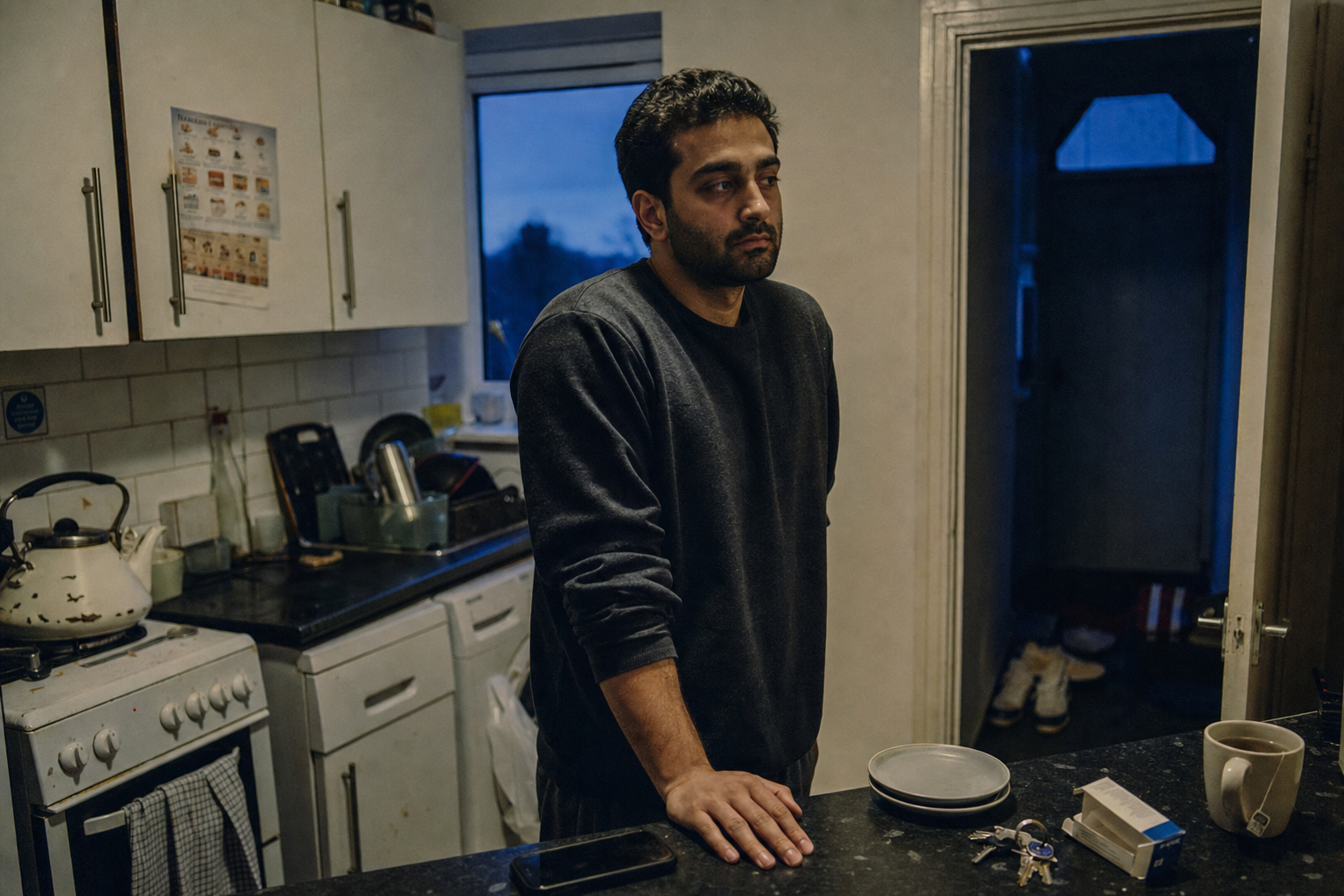
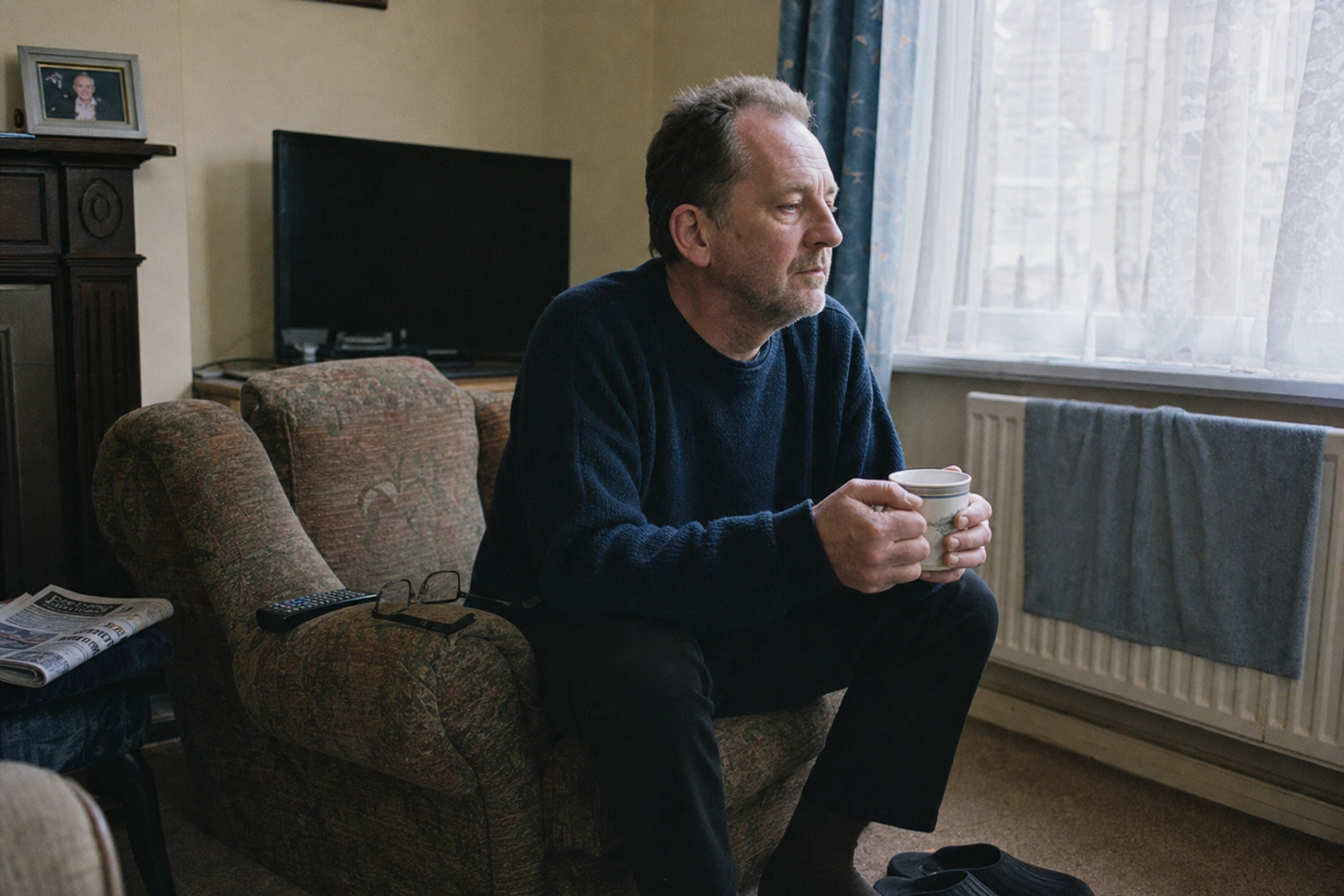
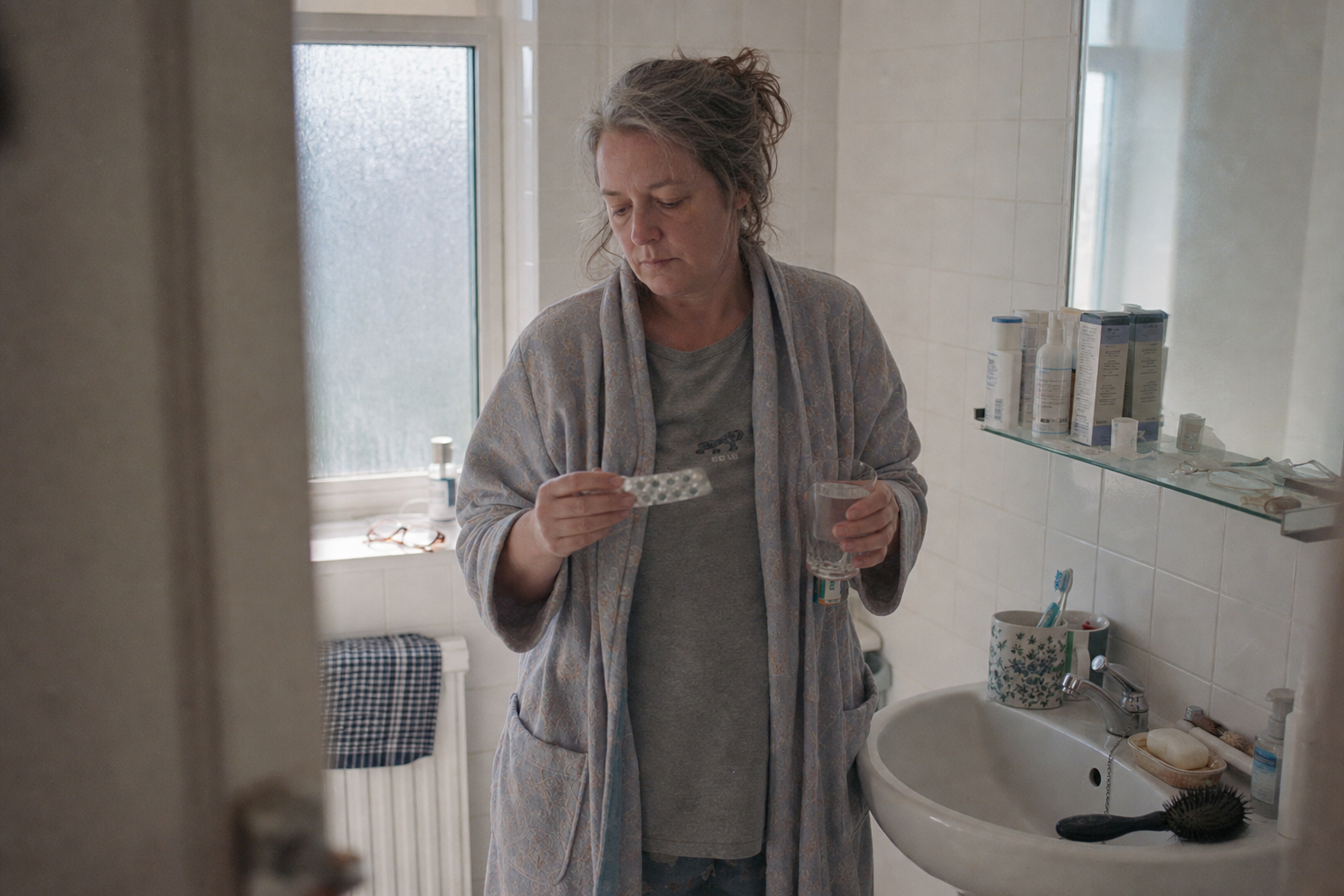
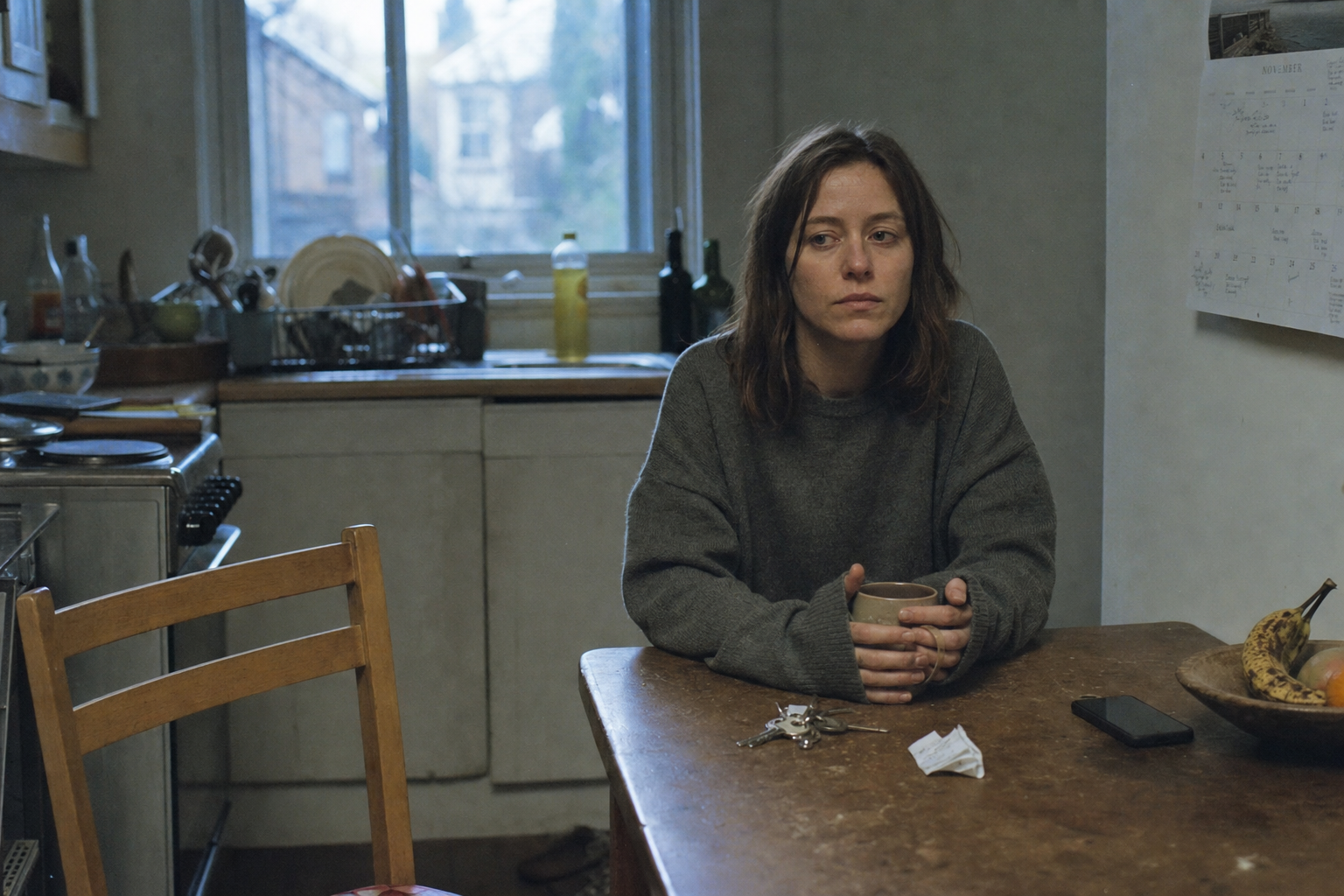
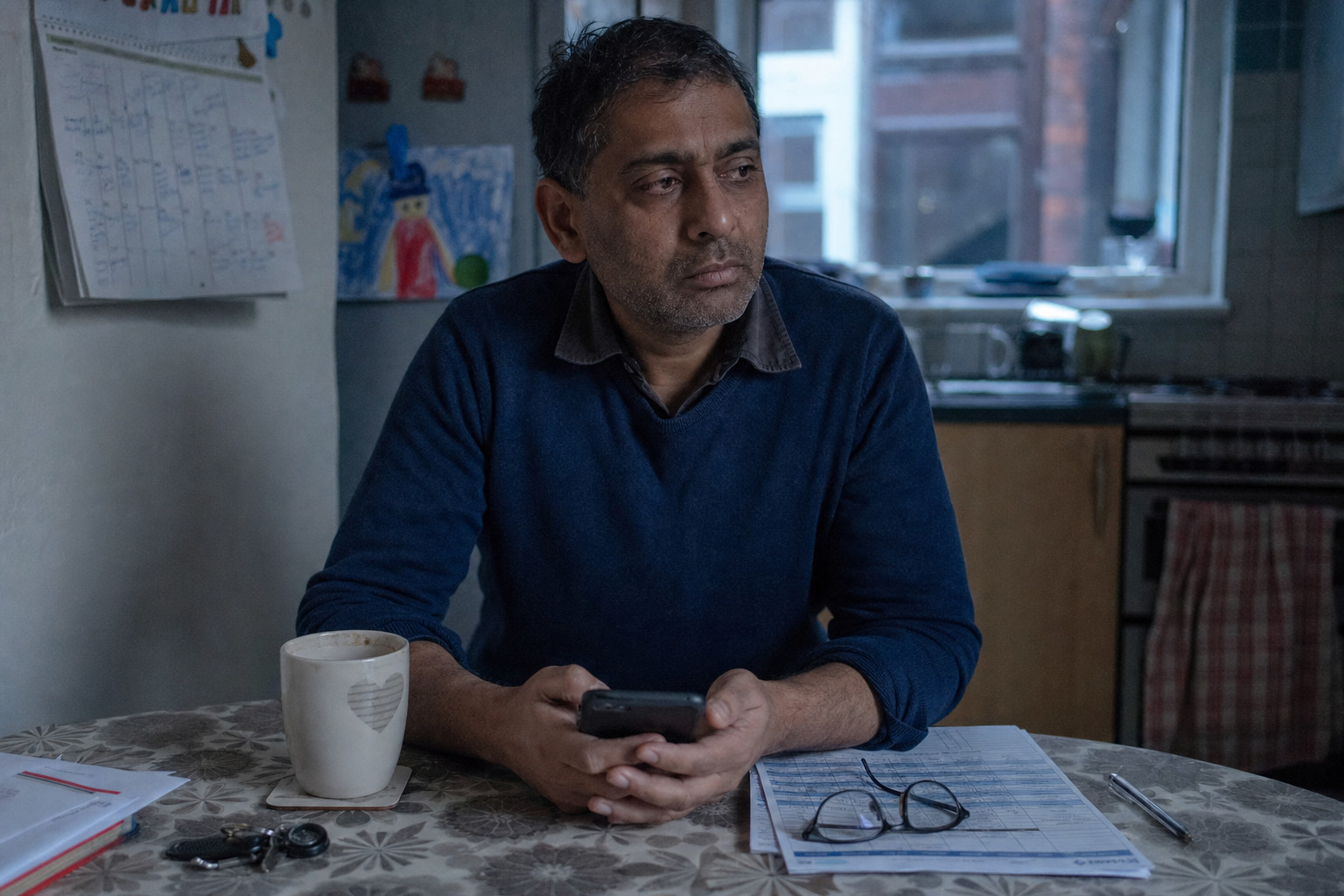
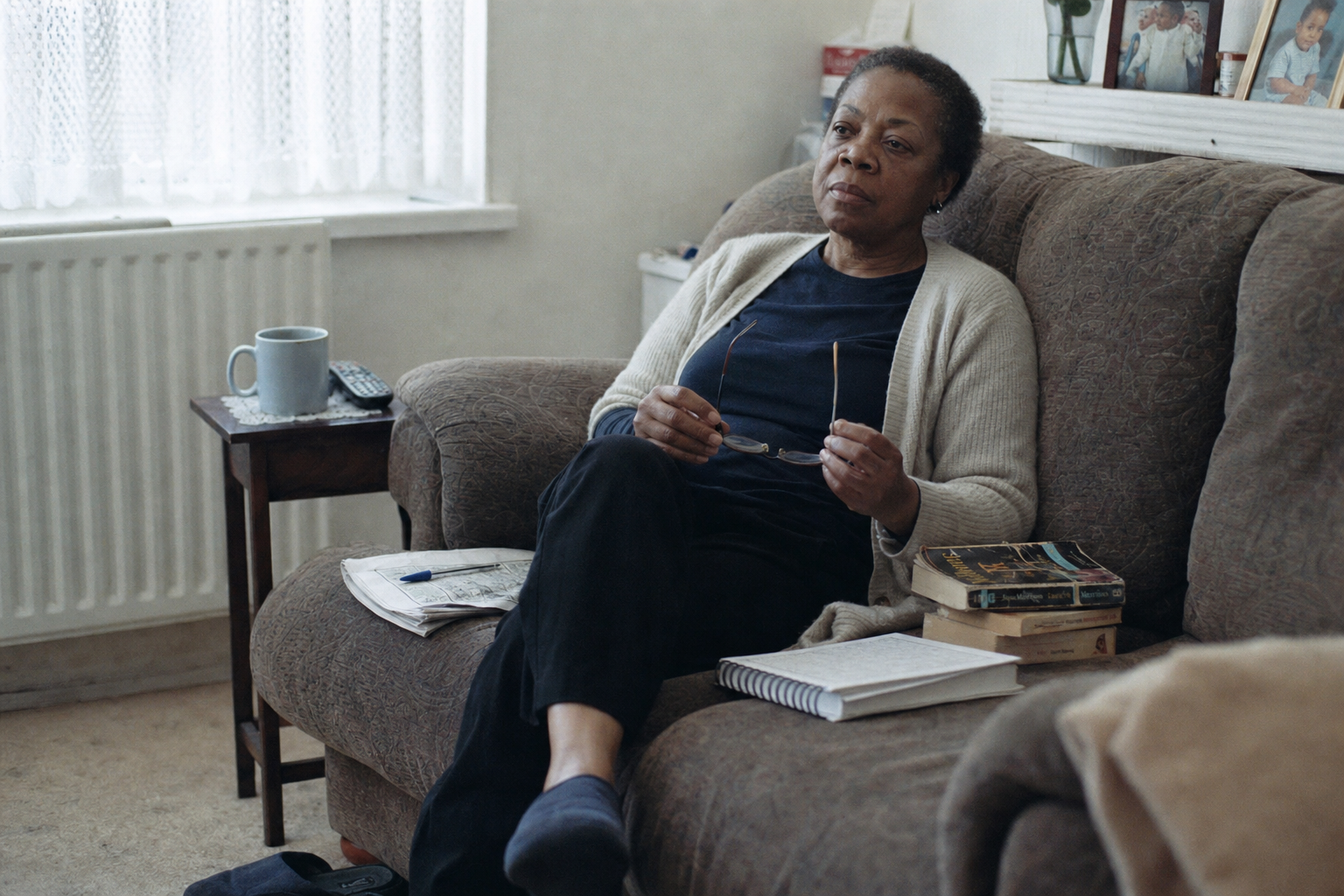
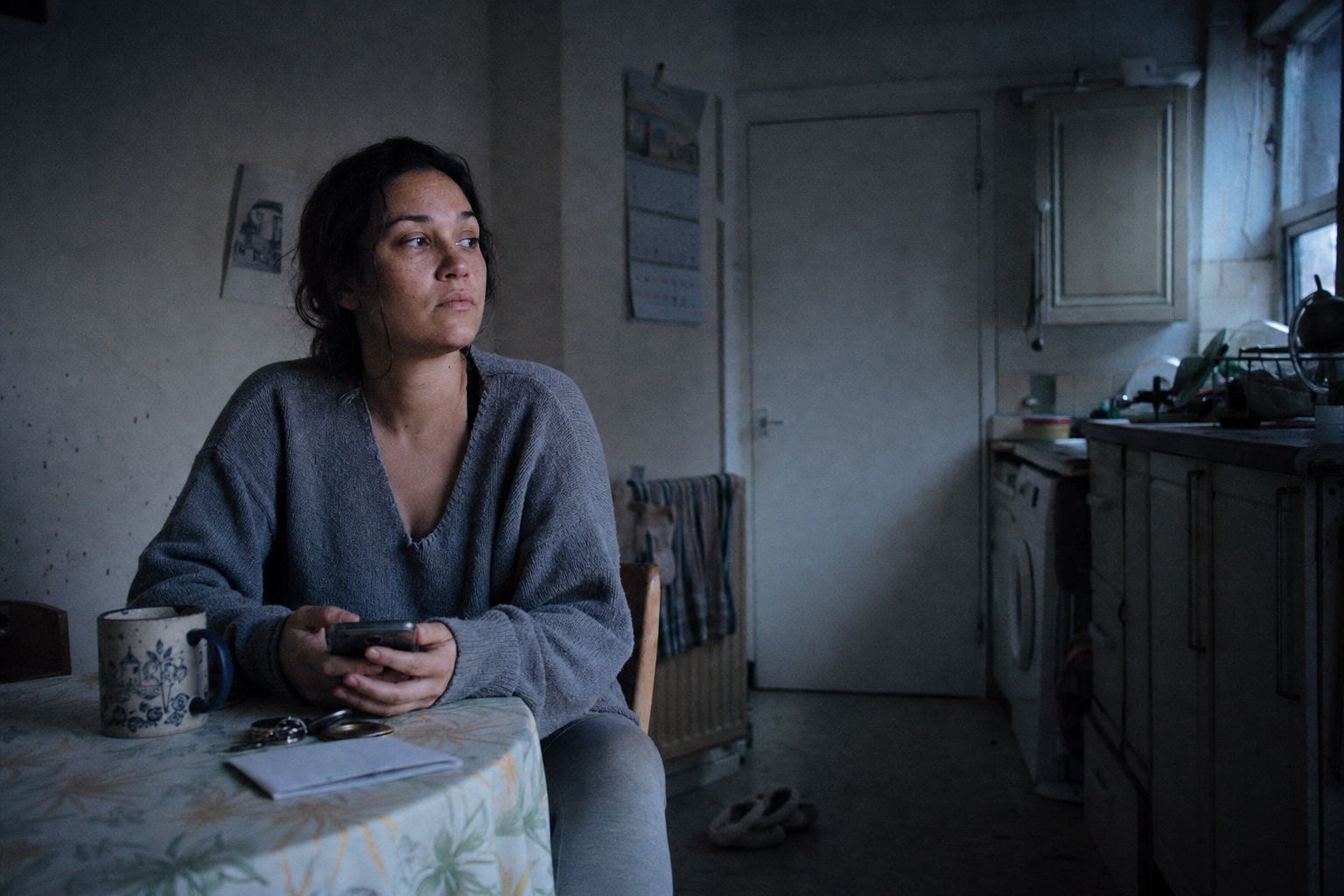
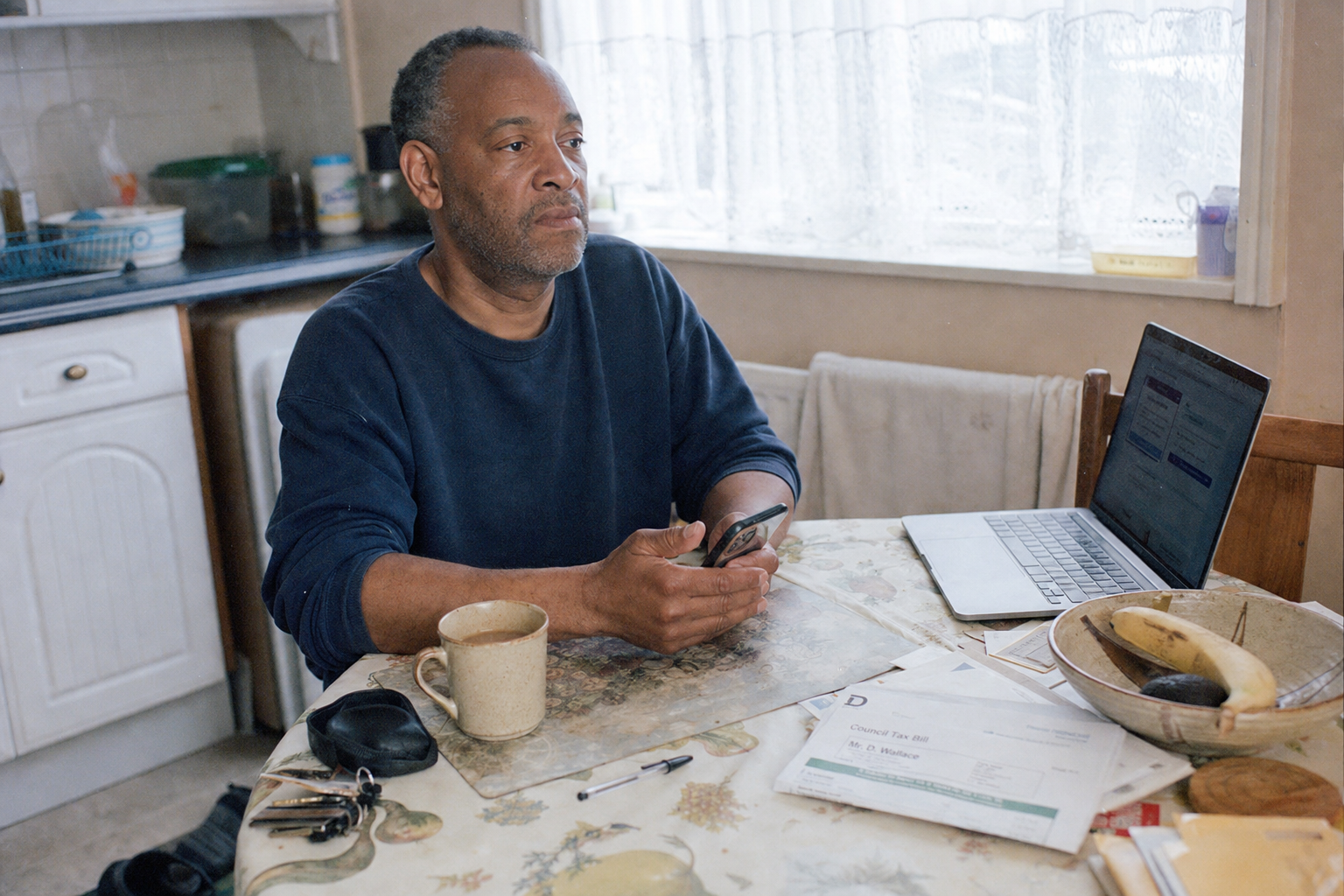
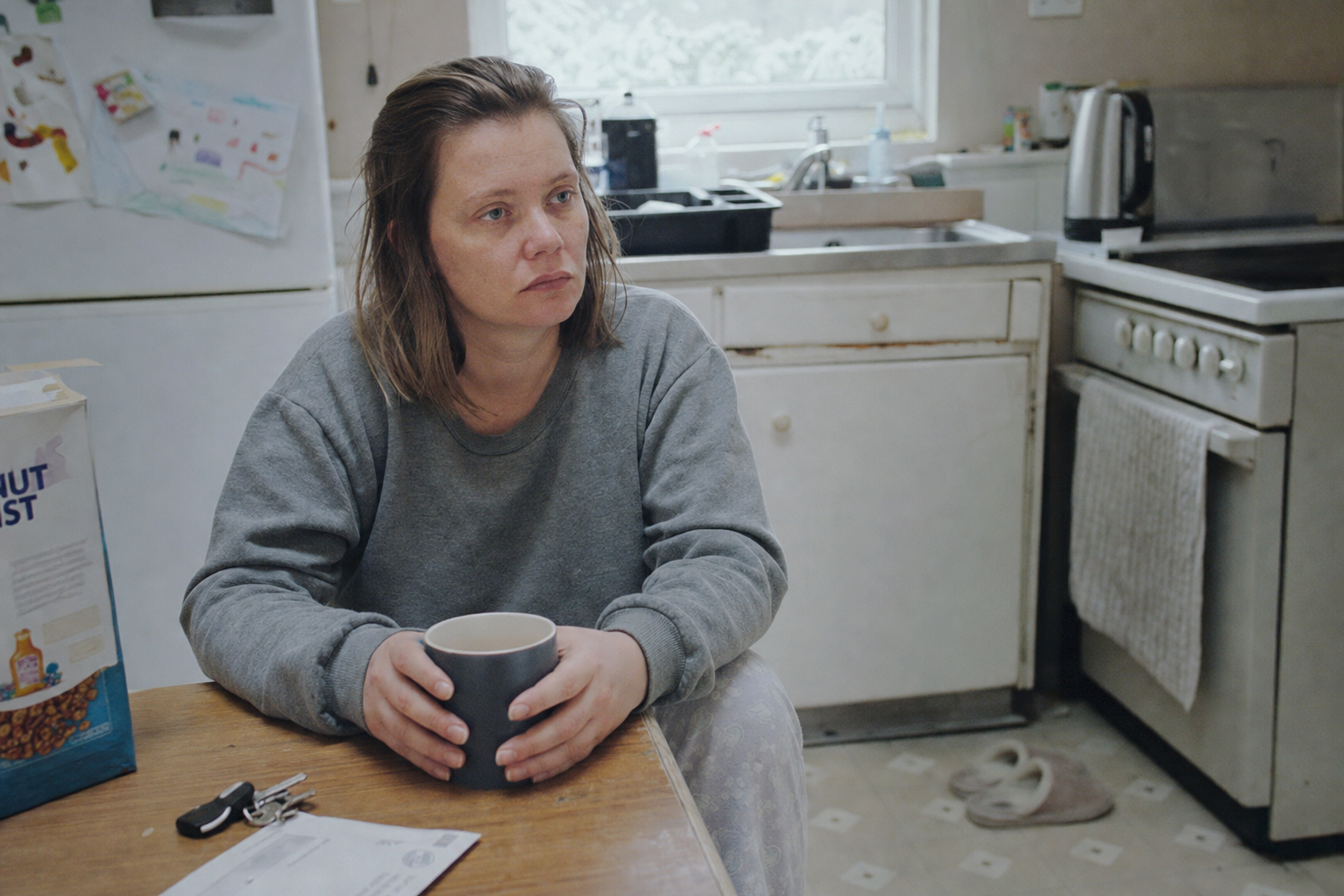
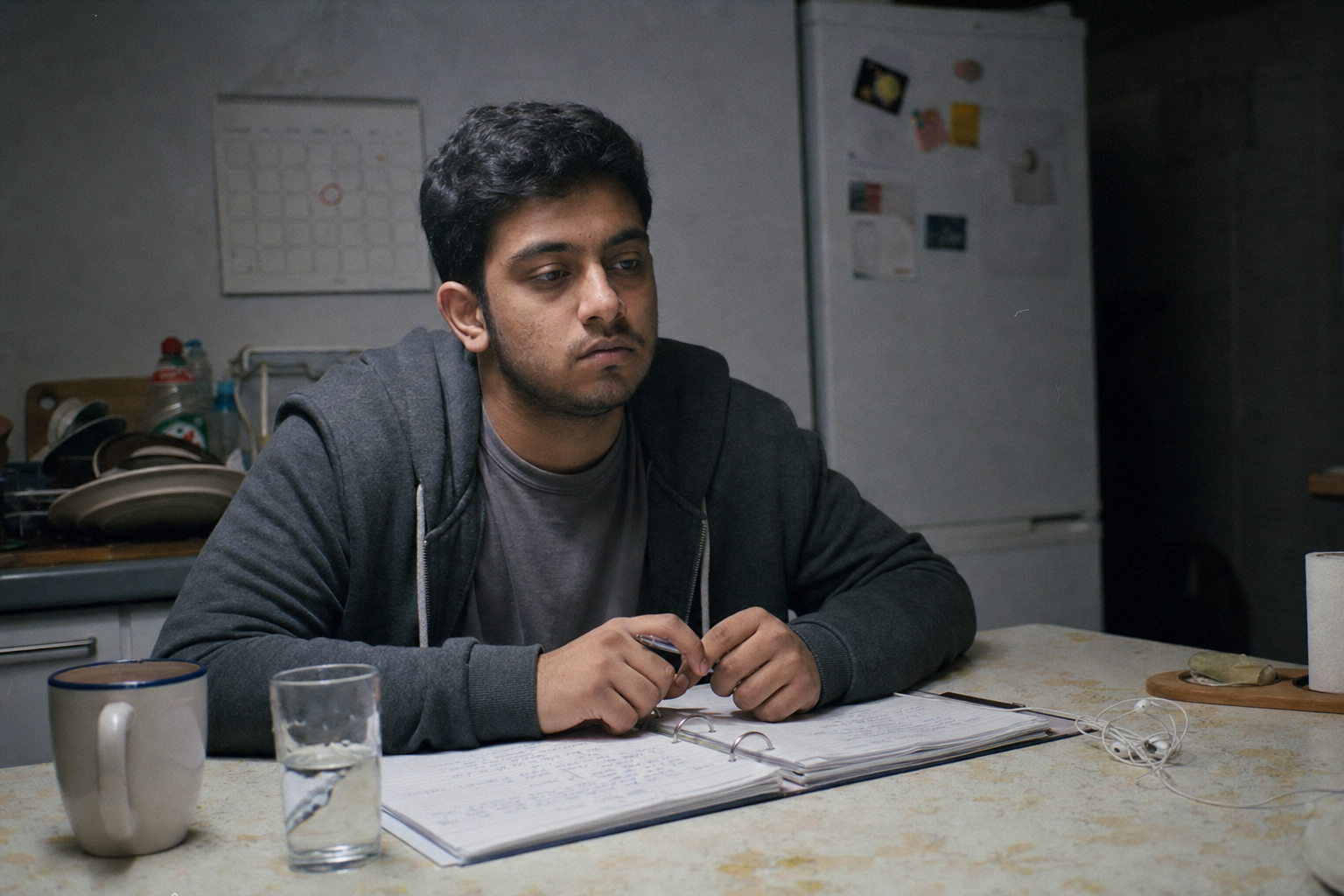
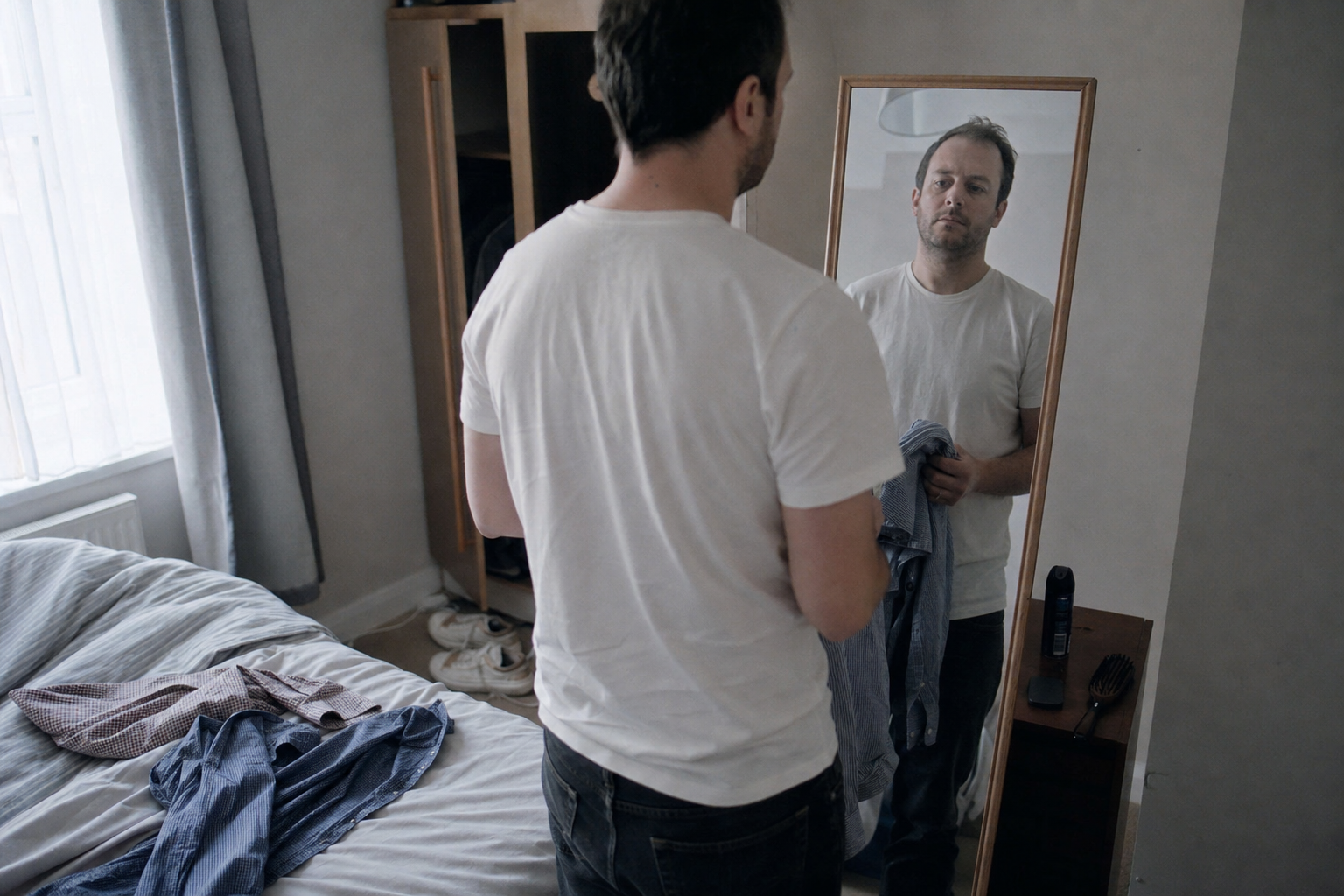
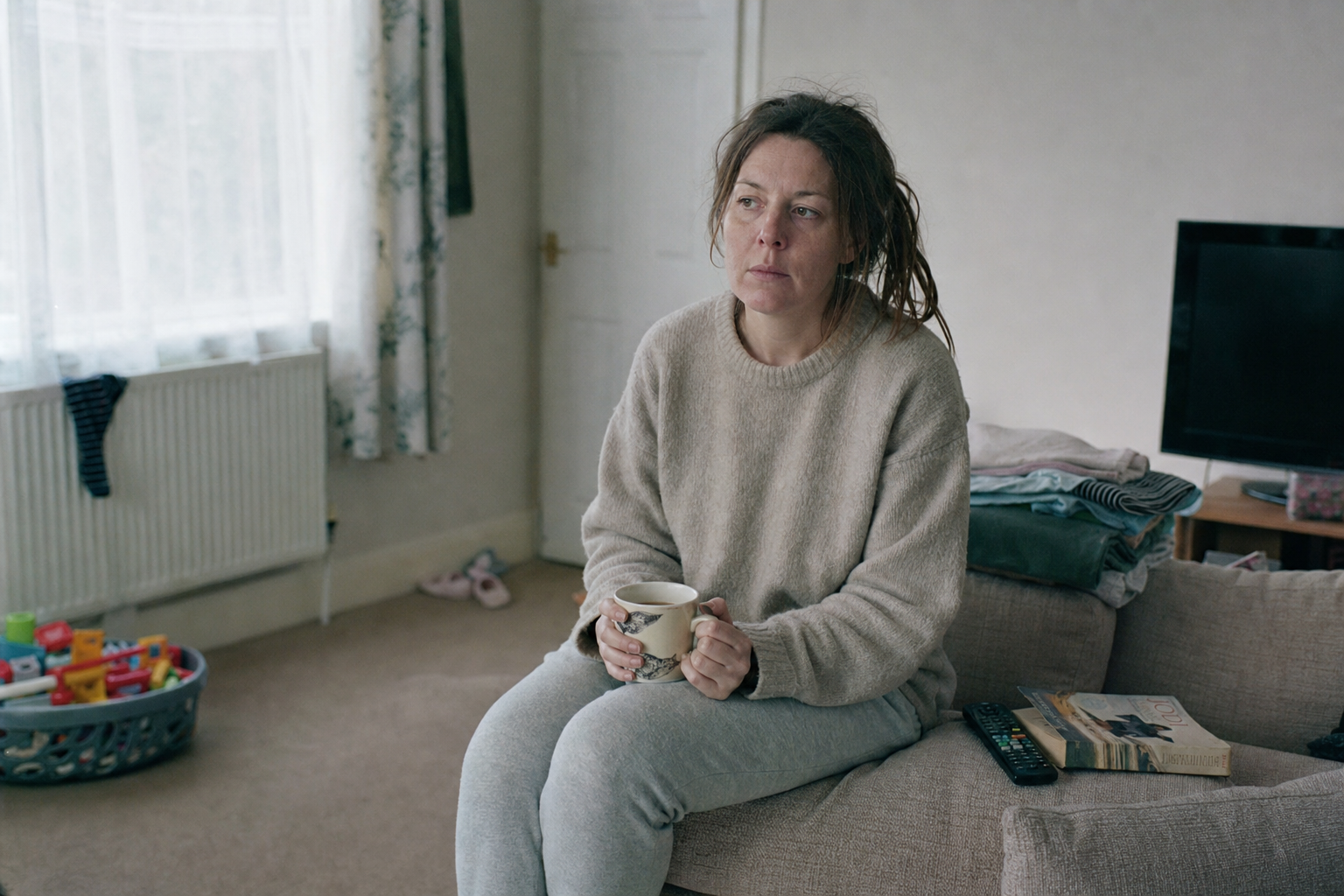
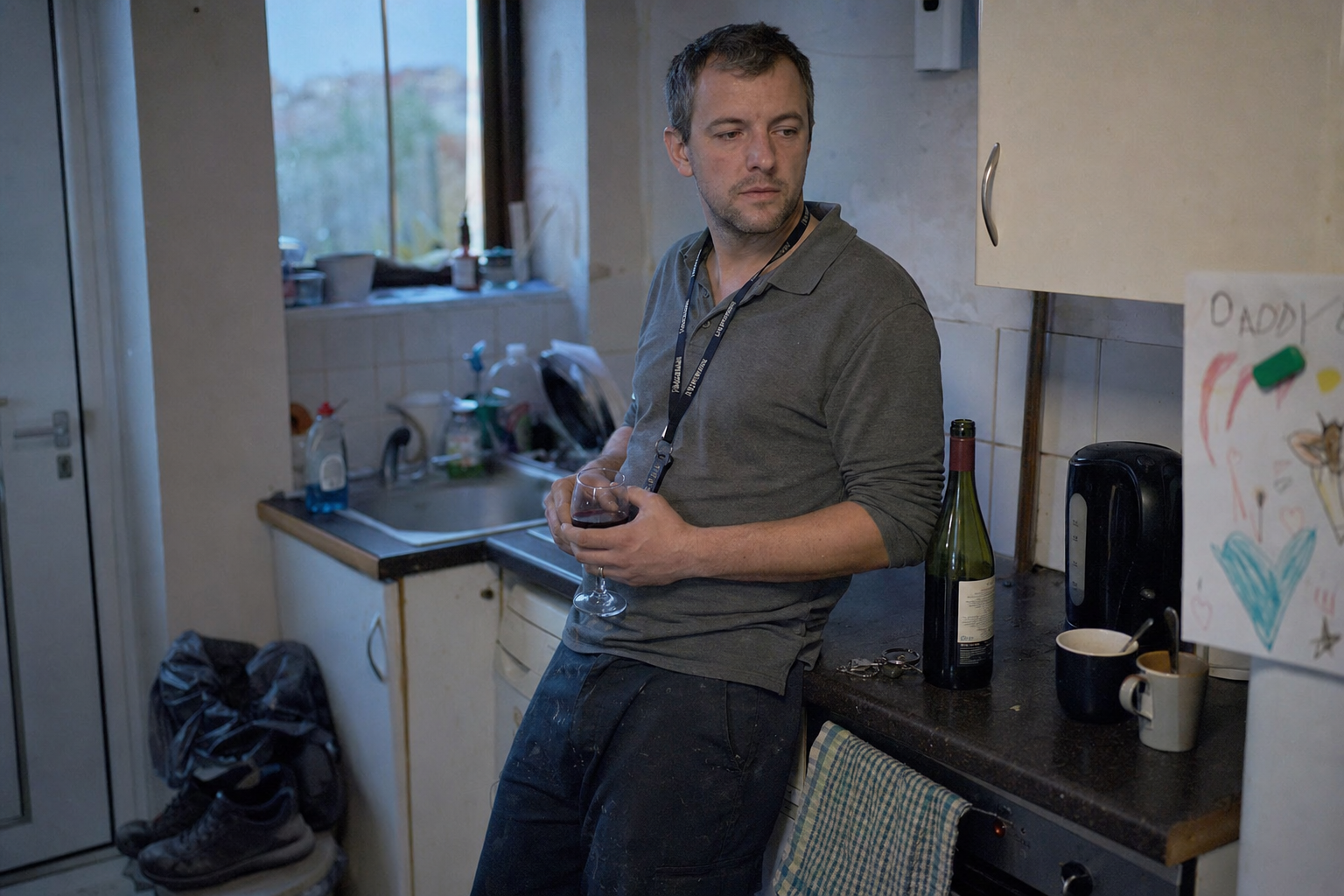
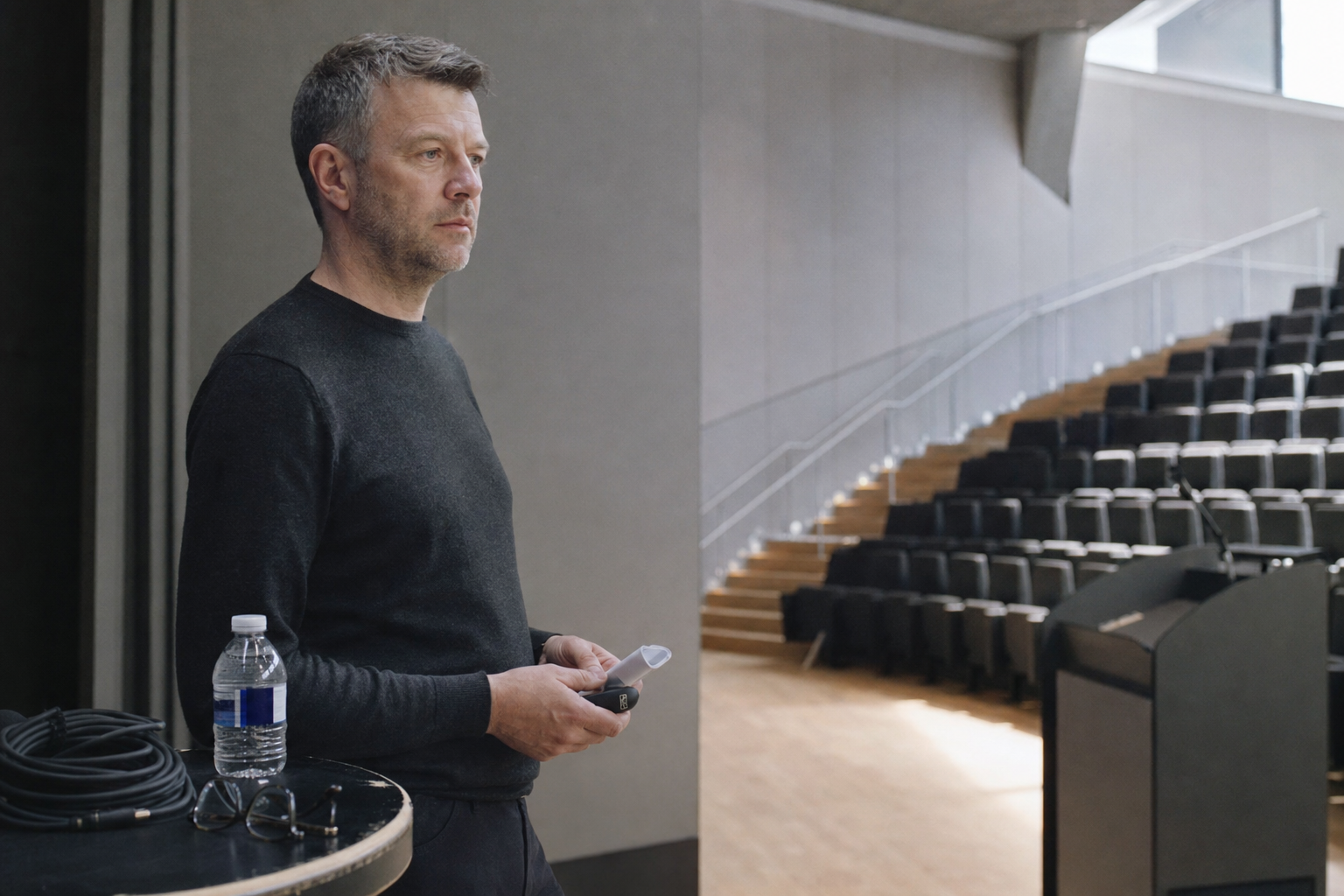
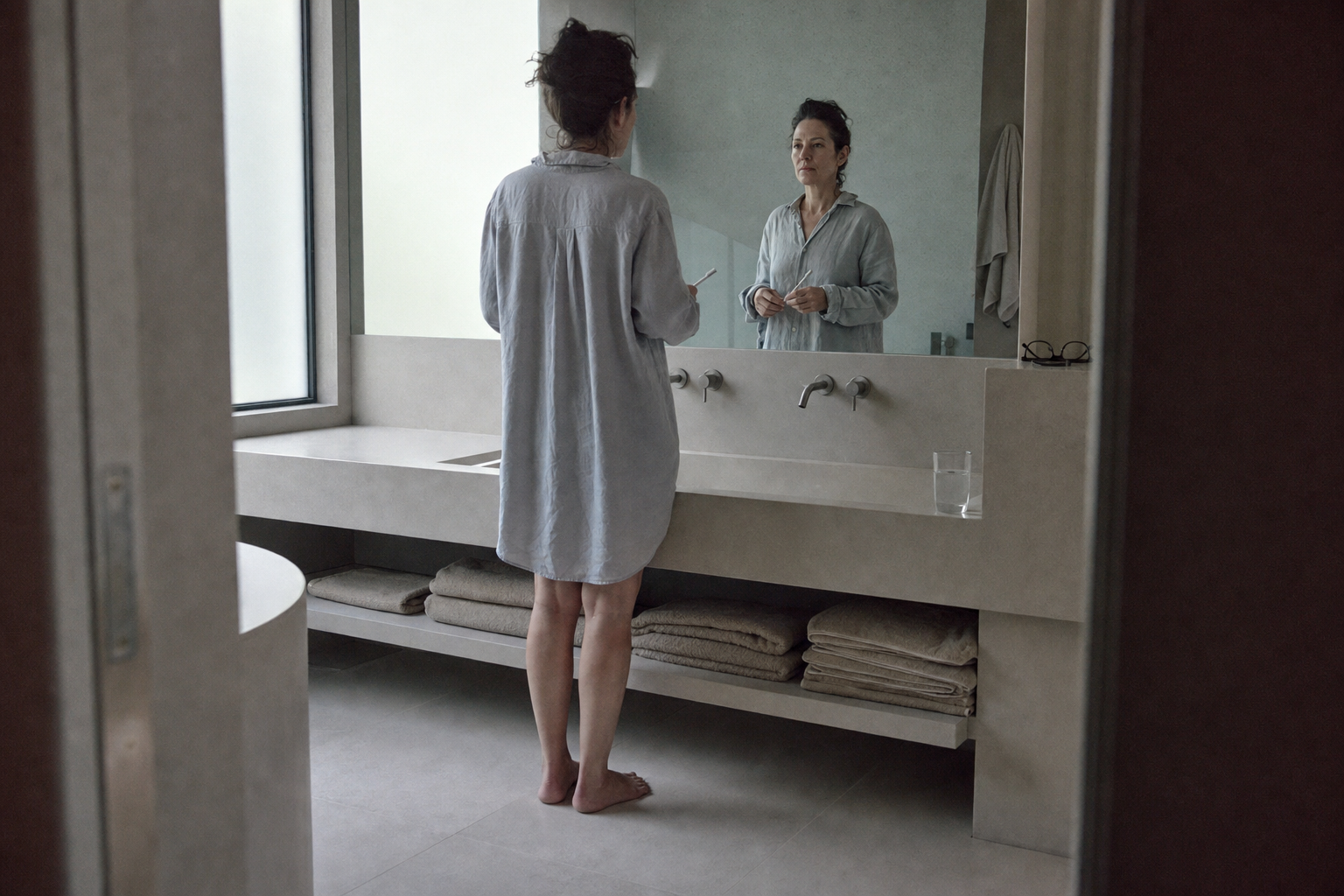
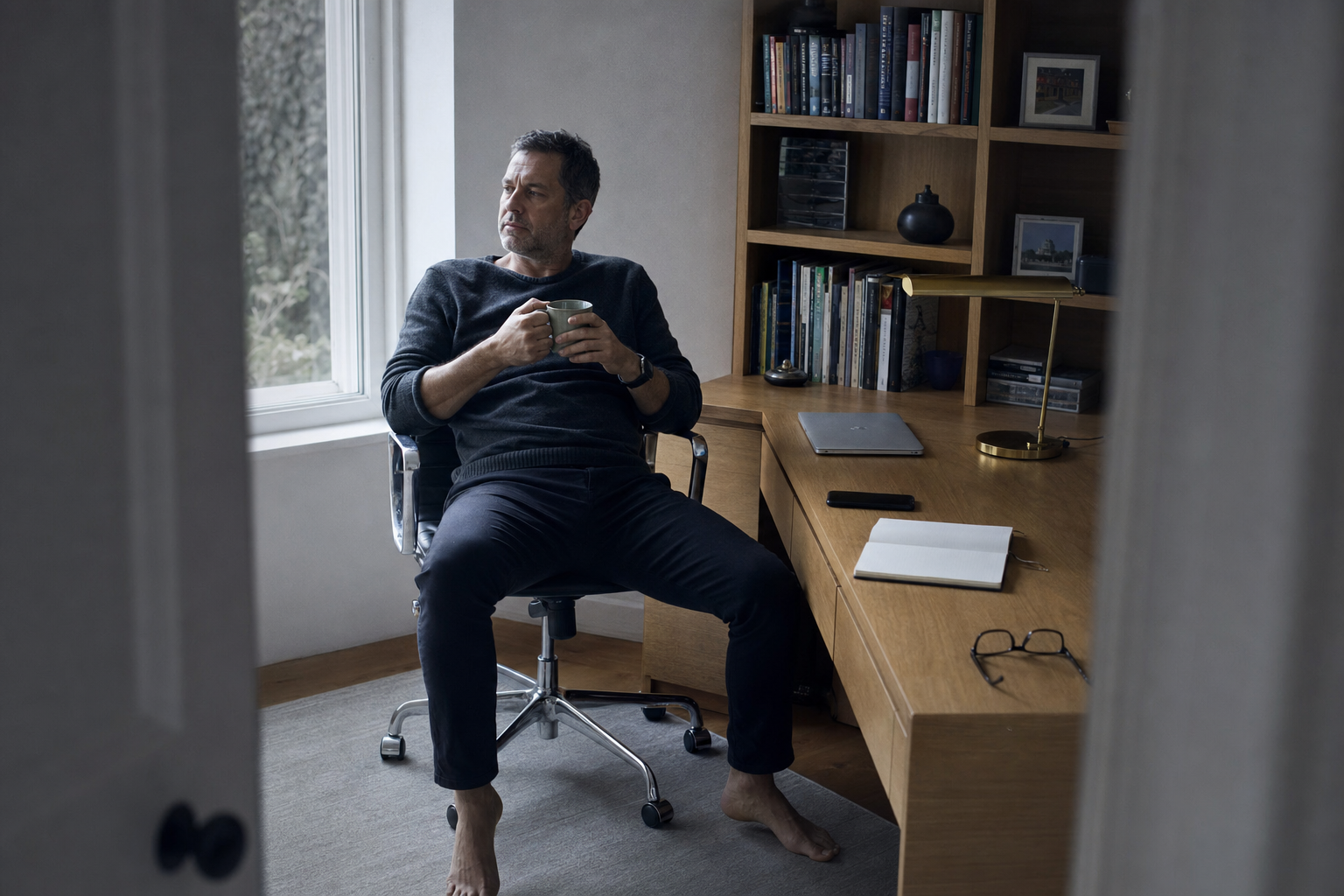
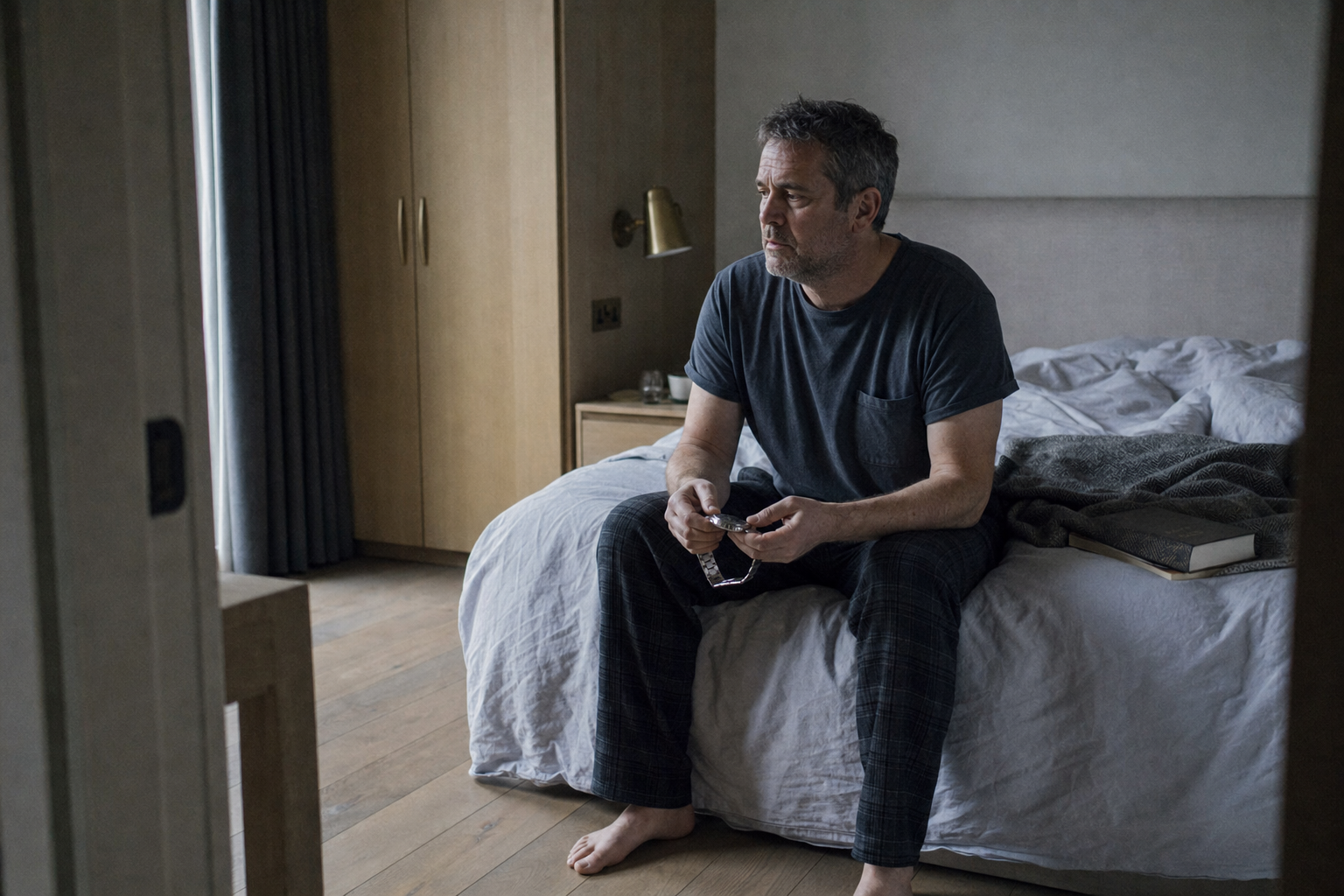
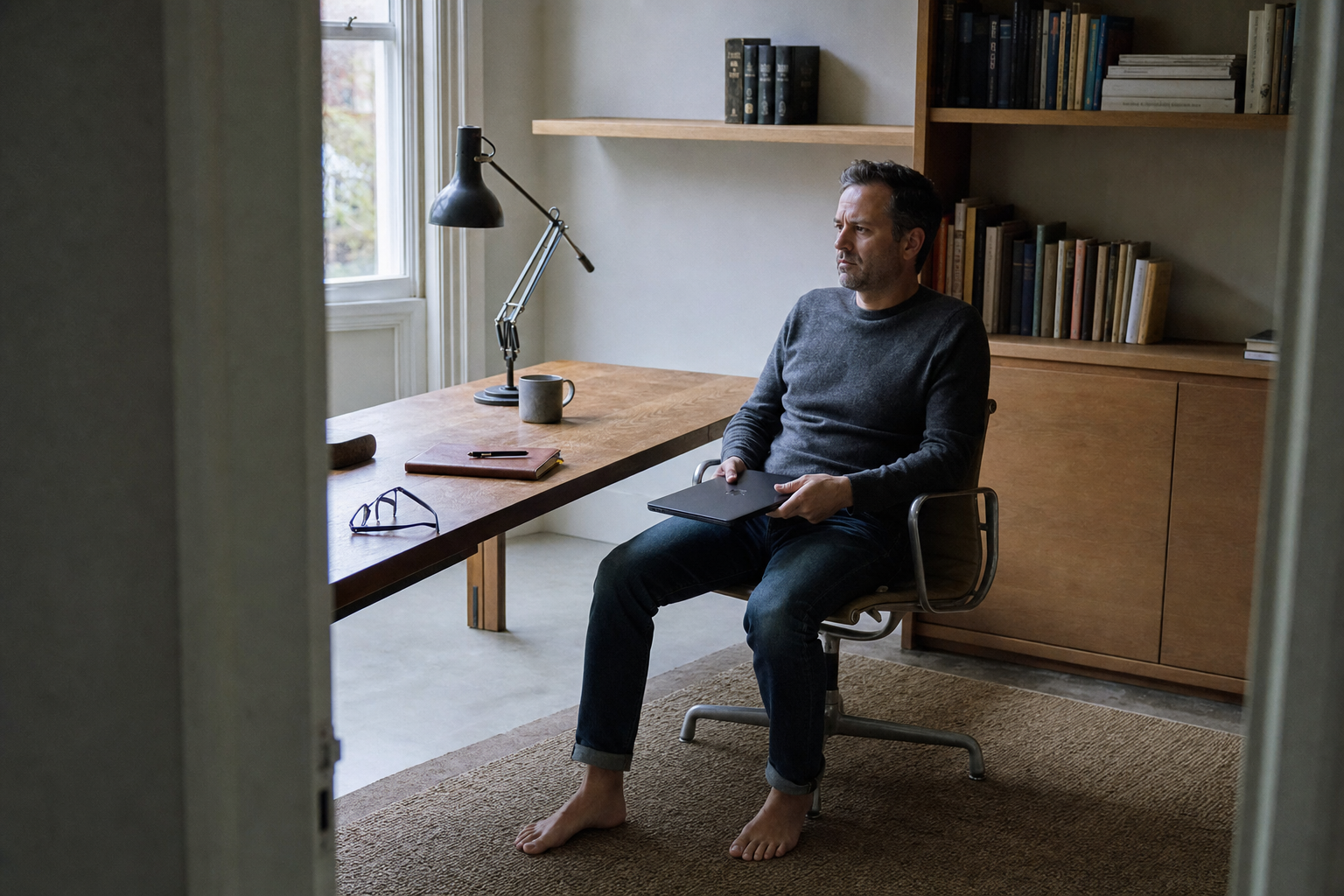
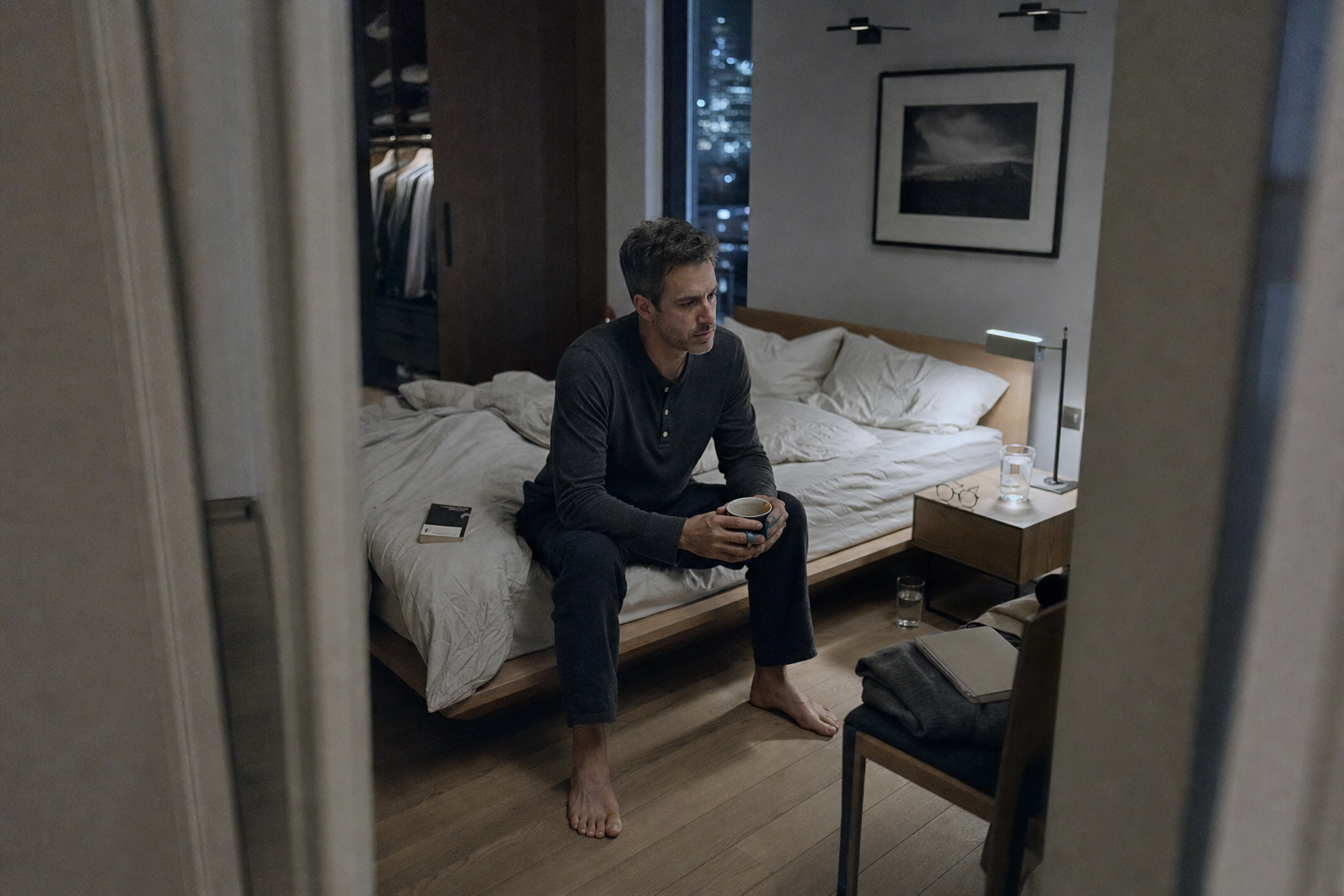
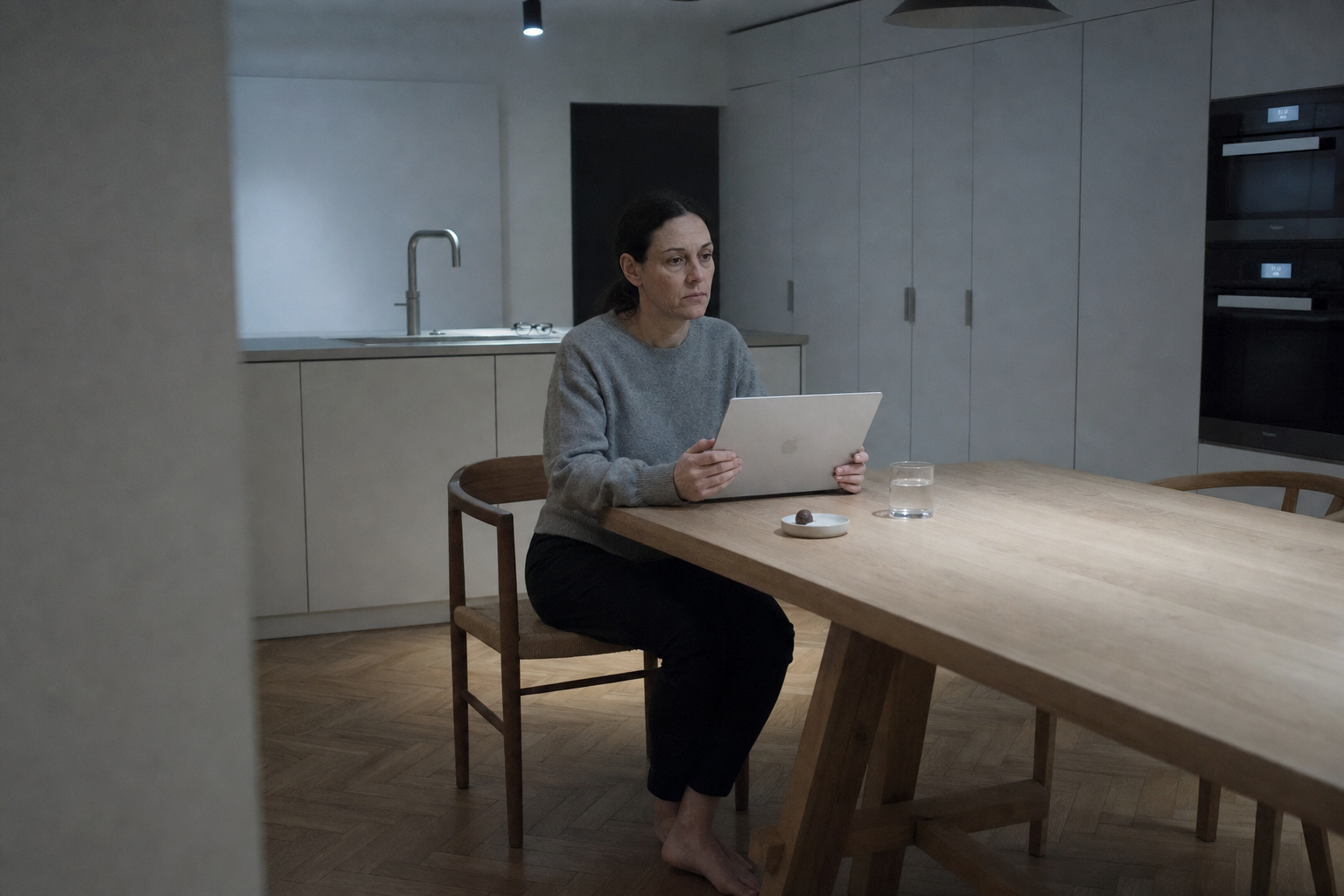
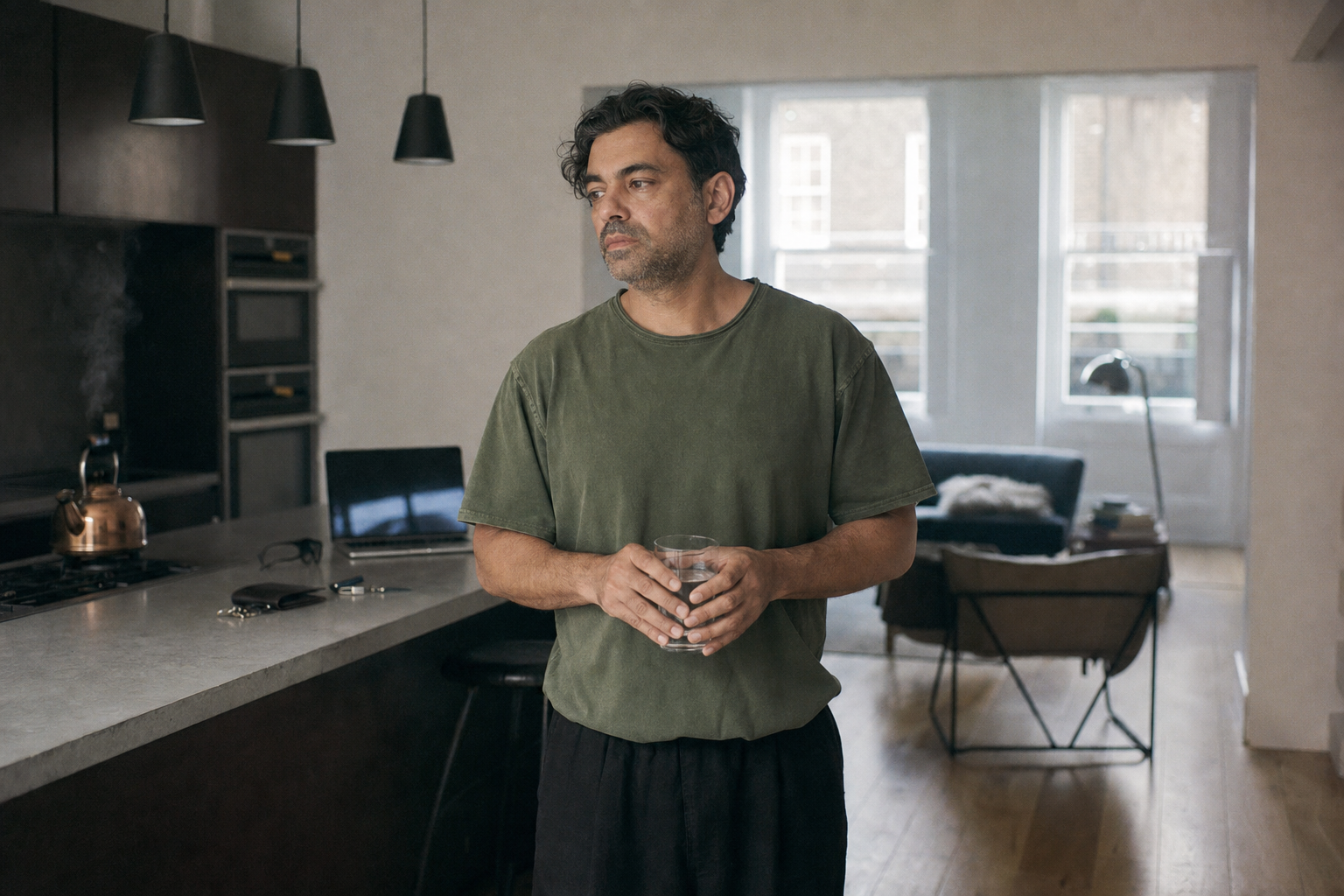
the dread on Sunday night. the body that won't rest. the system stuck on alert.
Burnout recovery in Kent. The kind that doesn't take a year off.
You're looking for burnout recovery in Kent. You've probably already tried slowing down, taking time off, more sleep, less screen, exercise, supplements. Maybe some of it helped a bit. Most of it didn't shift the deeper feeling that something in the system is stuck on, and you can't switch it off.
My approach combines clinical hypnotherapy with EMDR. Hypnotherapy works at the level where the burnout response is held in the nervous system: the perma-tension, the inability to rest, the dread on Sunday night. EMDR, recommended by the NHS for processing trauma, reprocesses the experiences that often built that response in the first place. I've had personal burnout myself, after 25 years building businesses. The work that shifted it for me is the work I do with clients.

- MSc Psychology
- MSc Communication, Behaviour & Credibility Analysis
- Diploma in Hypnotherapy (DHP)
- Certified Hypnotherapist (CHyp)
- Master NLP Practitioner (MNLP)
- Member of the Complementary Medical Association (MCMA)
- Master Transformational Coach
- Published Author
- 25+ years in business & personal development
- Outskirts of Maidstone - Kent Practice
- London Clinic
- World Wide - Online or In Person
I've been where you are. That's not a line.
Before working with others, I had to do this work myself. For a long time I was good at the external picture. I had a career in photography, working with national magazines, then built and ran a marketing agency for over two decades. By most measures, it looked like things were going well. Underneath that, something else was running. Patterns I did not fully understand, reactions I could not always explain, a quiet but persistent sense that something was off despite the evidence to the contrary.
It took doing the work at a deep level to understand what was actually driving it. That experience changed the direction of everything. I spent years training across psychology, hypnotherapy, NLP, behavioural analysis and human communication, not to collect credentials, but because I wanted to understand precisely how these patterns form, how they hold, and how to shift them at the level they actually live.
I work with people from all walks of life. Some are dealing with anxiety, grief, or things they have been carrying for years. Others feel stuck or disconnected in ways they find difficult to articulate. What they share is not a type or a background. It is that something is not working, and they are ready to do something real about it.
That is also what I understand about change. It does not happen through theory. It happens through doing the work at the level where the pattern actually lives.
Sessions are private, direct, and built entirely around you. No worksheets. No therapy-speak. The work, and nothing else.



The issue is rarely what appears on the surface
Most people spend years trying to fix the wrong thing. They address the symptom while the pattern underneath keeps running, quietly shaping every decision, every relationship, every attempt to change.
Whatever brought you here, the work goes to the same place. Find the pattern. Change it at the level it lives. Everything else follows.
Talking about problems doesn't solve them.
Disrupting the patterns that create them does.
People come for many reasons. The root is usually the same.
Burnout isn't tiredness. It's a nervous system stuck on alert, often for years, that can't downshift no matter what you do externally. Rest helps the symptom. It doesn't shift the underlying state. Talking about it can name it. Reaching the level it lives at and changing it there is different work. That's what EMDR and hypnotherapy are built for.
Anxiety & Overwhelm
You wake up already behind. Your mind is three steps ahead of where you are, running through things that have not happened yet. The things that used to feel manageable now take everything you have. And no one around you sees it, because you have become very good at holding it together.
Confidence & Self-Worth
Other people see someone who has it together. You see someone waiting to be found out. The voice is not loud. It does not need to be. It sits underneath every decision, every opportunity, every room you walk into. And it has been there so long you have stopped noticing that it is not yours.
Purpose & Fulfilment
Everything looks right on paper. The career, the life, the things you have built. And still there is a feeling that none of it is quite yours. Not unhappy. Not in crisis. Something quieter than that. A slow sense that you have been running hard in a direction someone else set, and you never stopped to ask whether it was the right one.
Relationships & Connection
The people closest to you get a version. Not the real one. You want to connect, you want to be understood, and something keeps the distance in place. The same patterns show up across different people, different situations. You can see it happening and you still cannot stop it. And the loneliest part is that no one else knows.
Performance & Focus
You know what you are capable of. You have seen it. And right now there is a gap between that and what you are actually producing. You are not lazy. You are not lacking discipline. Something is pulling the handbrake every time you build momentum, and effort alone has not been enough to override it.
Habits & Behaviour
You know the pattern. You can see it clearly. You can explain to yourself exactly why you should stop. And then you do it again. The drinking, the eating, the avoidance, the anger. It is not a lack of understanding. It is not a lack of willpower. Something underneath keeps resetting the behaviour, no matter how many times you decide this time will be different.
- Generalised Anxiety
- Social Anxiety
- Panic Attacks
- Health Anxiety
- Performance Anxiety
- Burnout
- Chronic Stress
- Overthinking
- Sleep Problems
- Phobias & Fears
- Imposter Syndrome
- Self-Doubt
- Perfectionism
- Fear of Failure
- Low Self-Worth
- Public Speaking
- Fear of Judgement
- Body Image
- Shame & Guilt
- People Pleasing
- Communication Breakdown
- Trust Issues
- Loneliness & Isolation
- Family Conflict
- Grief & Loss
- Emotional Unavailability
- Anger & Resentment
- Codependency
- Parenting Pressure
- Life Transitions
- Alcohol & Substance Use
- Emotional Eating
- Compulsive Behaviours
- Avoidance Patterns
- Anger & Reactivity
- Negative Self-Talk
- Procrastination
- Risk-Taking
- Addictive Patterns
- Self-Sabotage
- Decision Paralysis
- Leadership Pressure
- Business Stress
- Inconsistent Output
- Exam & Test Nerves
- Career Transitions
- Creative Block
- Motivation & Drive
- Conflict at Work
- Work-Life Balance
- Depression & Low Mood
- Trauma & PTSD
- Emotional Numbness
- Lack of Meaning
- Midlife Questioning
- Bereavement
- Identity Crisis
- Overwhelm & Fatigue
- Worthlessness
- Disconnection
A different kind of process
The work is precise, not abstract. It's pattern-level intervention using two evidence-based approaches that target different levels: clinical hypnotherapy for the response held below conscious thought, EMDR for the memories and experiences that locked the response in.
Find what's actually driving it
Burnout looks the same on the outside but its origins differ widely. Assessment is working out, in conversation, what's actually fuelling your version of it. Often it isn't what you came in convinced it was.
Work below conscious thought
Hypnotherapy reaches the level where the burnout response is held: the alert state, the dread, the inability to rest. EMDR reprocesses the specific experiences that locked the state in. We use one, the other, or both, depending on what's needed.
Real change, not coping
The aim isn't to manage burnout better. It's to remove the driver underneath it. When that lands, the system that's been on alert starts being able to switch off.
The work speaks for itself
Start the conversation
A free 15-minute call. We use it to see whether hypnotherapy, EMDR or both is the right fit for the kind of burnout you're working with. Some types respond fastest to hypnotherapy. Some need EMDR. Some need both, used in sequence. The call lets me hear what's going on so I can tell you honestly which approach would help, and whether I'm the right person.