
anxiety. panic. social fear. health worry. the body that won't switch off.
Anxiety Help. Work that reaches what willpower doesn't.
You're looking for help with anxiety in Maidstone. Maybe you've tried CBT, medication, breathing exercises or pushing through. Maybe they helped you cope on the surface without changing the response underneath. What you're searching for is something that reaches the place anxiety actually lives, below conscious thought.
My approach combines clinical hypnotherapy with EMDR. Hypnotherapy works at the subconscious level where the anxiety response is held: the racing thoughts, the body's automatic reaction, the avoidance loops. EMDR is the established method, recommended by the NHS and WHO, for reprocessing the experiences and memories that often locked the anxiety in. Together they go deeper, and often faster, than talking it through alone.
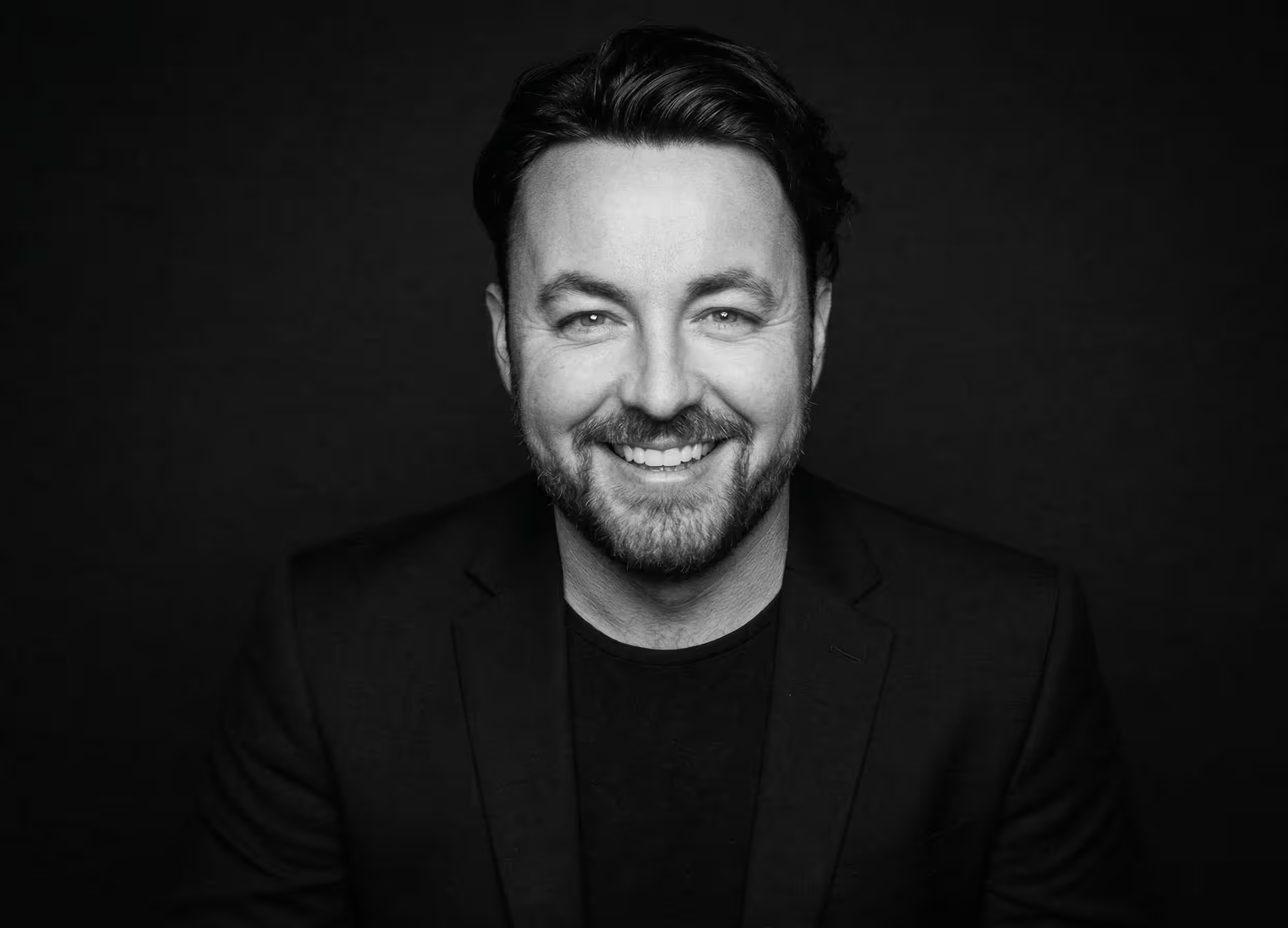
- MSc Psychology
- MSc Communication, Behaviour & Credibility Analysis
- Diploma in Hypnotherapy (DHP)
- EMDR Practitioner
- Certified Hypnotherapist (CHyp)
- Master NLP Practitioner (MNLP)
- Member of the Complementary Medical Association (MCMA)
- Master Transformational Coach
- Published Author
- 25+ years in business & personal development
- Outskirts of Maidstone - Kent Practice
- London Clinic
- World Wide - Online or In Person
I've been where you are. That's not a line.
Before working with others, I had to do this work myself. For a long time I was good at the external picture. I had a career in photography, working with national magazines, then built and ran a marketing agency for over two decades. By most measures, it looked like things were going well. Underneath that, something else was running. Patterns I did not fully understand, reactions I could not always explain, a quiet but persistent sense that something was off despite the evidence to the contrary.
It took doing the work at a deep level to understand what was actually driving it. That experience changed the direction of everything. I spent years training across psychology, hypnotherapy, NLP, behavioural analysis and human communication, not to collect credentials, but because I wanted to understand precisely how these patterns form, how they hold, and how to shift them at the level they actually live.
I work with people from all walks of life. Some are dealing with anxiety, grief, or things they have been carrying for years. Others feel stuck or disconnected in ways they find difficult to articulate. What they share is not a type or a background. It is that something is not working, and they are ready to do something real about it.
That is also what I understand about change. It does not happen through theory. It happens through doing the work at the level where the pattern actually lives.
Sessions are private, direct, and built entirely around you. No worksheets. No therapy-speak. The work, and nothing else.



Anxiety isn't a thinking problem. That's why thinking doesn't fix it.
Most anxiety treatment works on your thoughts: catch them, challenge them, breathe through them. That can take the edge off. But the anxiety response fires before the thought arrives. By the time you're reasoning with it, your body has already decided there's a threat.
That response was learned, sometimes from one experience, sometimes from years of never feeling quite safe. It runs below conscious thought, which is why insight and willpower don't switch it off. Changing it means working at the level it was learned.
Talking about problems doesn't solve them.
Changing the patterns that create them does.
The anxiety I work with most
Anxiety shows up differently for everyone. These are the patterns I see most, and each one has a root that can change.
Panic attacks
The racing heart, the tight chest, the certainty something is badly wrong. Then the fear of the next one, which starts shrinking your life around it. I work on why the alarm is set so low, not just how to ride it out.
Social anxiety
Dreading the meeting, the party, the phone call. Replaying what you said for days afterwards. Fine one-to-one with people you trust, and on edge everywhere else.
Health anxiety
Every ache is something serious. Checking, searching, needing reassurance that never quite lands. The worry isn't really about your body. It's a pattern looking for somewhere to land.
Constant low-level dread
Nothing specific is wrong, but you never fully relax. Tired all the time, wound up all the time, braced for something you can't name. This is still anxiety, and it responds to the same work.
- Generalised Anxiety
- Social Anxiety
- Panic Attacks
- Health Anxiety
- Performance Anxiety
- Burnout
- Chronic Stress
- Overthinking
- Sleep Problems
- Phobias & Fears
- Imposter Syndrome
- Self-Doubt
- Perfectionism
- Fear of Failure
- Low Self-Worth
- Public Speaking
- Fear of Judgement
- Body Image
- Shame & Guilt
- People Pleasing
- Depression & Low Mood
- Trauma & PTSD
- Emotional Numbness
- Lack of Meaning
- Midlife Questioning
- Bereavement
- Identity Crisis
- Overwhelm & Fatigue
- Worthlessness
- Disconnection
A different kind of process
Anxiety treatment that works on the response itself, not on managing it. Clinical hypnotherapy for the reaction held below conscious thought, EMDR for the experiences that locked it in, and you'll know what we're working on at every stage.
Find where your anxiety started
Anxiety presents the same on the outside but its origins differ. Assessment is working out, in conversation, what's actually fuelling your version of it. Often it isn't what you came in convinced it was.
Change the response at its source
Hypnotherapy reaches the level where the anxiety response is automated. EMDR reprocesses the specific memories or experiences that locked the response in. We use one, the other, or both, depending on what's actually needed.
Calm that doesn't need managing
The aim isn't to manage anxiety better. It's to remove the driver underneath it. When that lands, the response that used to fire on automatic stops being automatic.
The work speaks for itself
Real clients, in their own words. Names changed to protect client confidentiality.
Anxiety help in Maidstone. What people ask first.
Most people who get in touch have already tried something. These are the questions they usually ask before they do.
I have tried CBT. Why would this be any different?
CBT teaches you to catch the anxious thought and manage it. For some people that is enough. For many it is not, and they end up very good at managing a response that keeps firing. Managing the moment is not the same as changing the pattern that creates it. This work goes underneath, to what your nervous system learned to brace against.
What if my anxiety is not about anything specific?
Often it is not. You are not worried about anything you can name. You just live with a low-grade dread that never switches off, and a tiredness sleep does not fix. That is still a pattern, and it usually started young, when something taught your nervous system the world was not quite safe enough to relax in.
Can this help with panic attacks?
A panic attack is your body's alarm going off with nothing to run from. Breathing and counting help in the moment, and you should keep using them. They do not touch why the alarm is set so low. When the pattern underneath is found, the alarm stops firing at shadows.
How many sessions will I need?
Usually fewer than people expect. Many notice a real shift within a handful of sessions. A long history, or several things layered together, takes longer. After the first conversation I will tell you honestly which you are looking at.
Do I need a diagnosis or a GP referral?
No. You can get in touch directly. Plenty of the people I see have never been diagnosed, because functioning anxiety rarely looks like anxiety from the outside. If you take medication for anxiety, keep taking it, and speak to your GP before changing anything.
Where do sessions take place?
At my practice near Harrietsham, just outside Maidstone. Hypnotherapy can also be done online. EMDR is in person only.
When is this not the right place to start?
If you are in crisis, or having thoughts of harming yourself, please do not wait for a session. Call Samaritans free on 116 123, day or night, or call NHS 111 and choose the mental health option. In an emergency, call 999.
Tired of managing it? Let's talk.
A free 15-minute call. We use it to see whether hypnotherapy, EMDR or both is the right fit for the anxiety you're working with. Some types respond fastest to hypnotherapy. Some need EMDR. Some need both, used in sequence. The call lets me hear what's going on so I can tell you honestly which approach would help.