
anxiety. depression. relationships. life transitions. something you can't shake.
Private 1-to-1 counselling in Maidstone. The work goes deeper.
We talk, because that's how I understand what's really going on. But talking isn't where the change happens. Alongside the conversation I use clinical hypnotherapy, EMDR and behaviour analysis to work on the pattern itself, at the level it runs. That's why most people need fewer sessions than open-ended weekly counselling, and why the change holds.
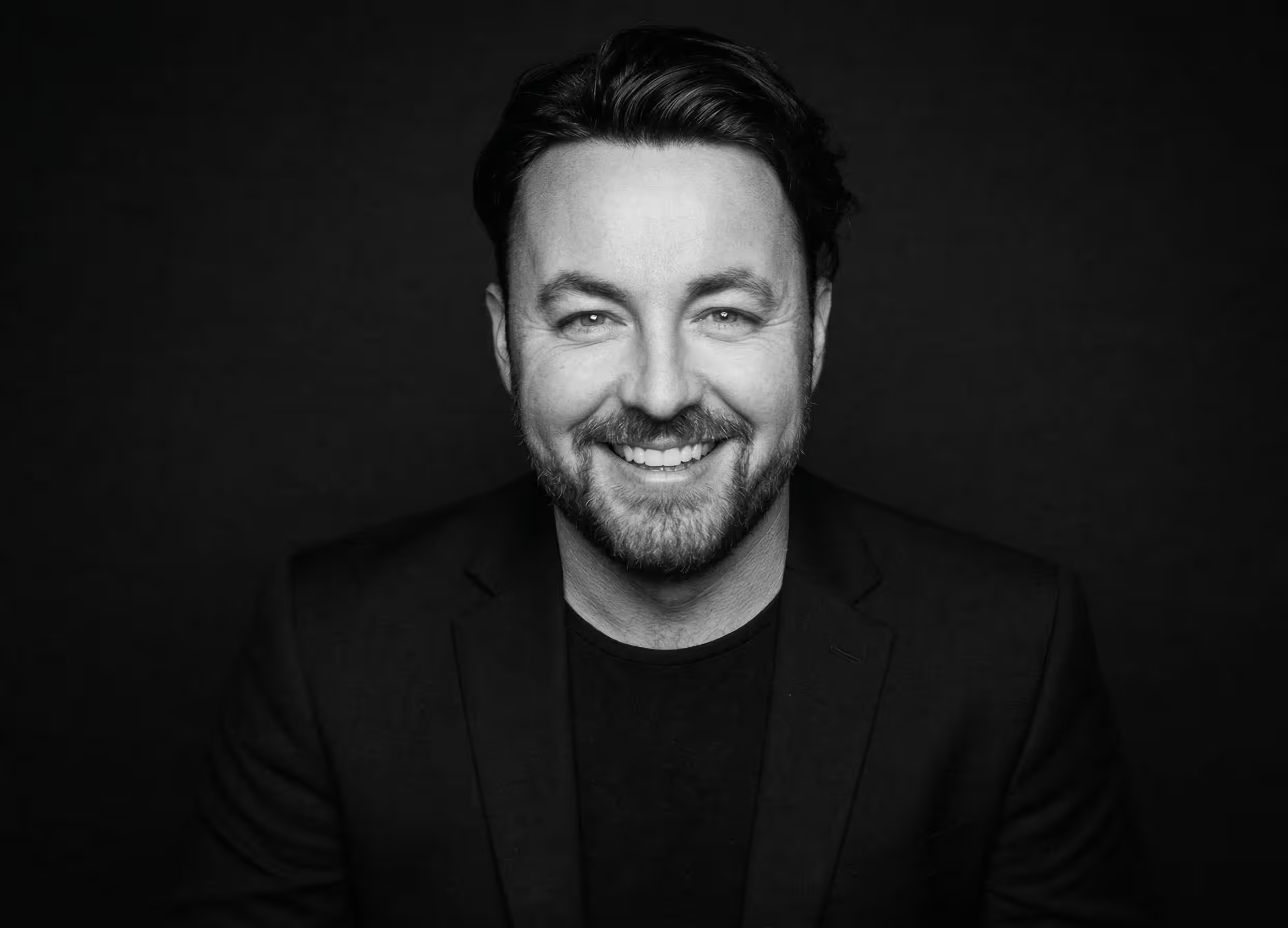
- MSc Psychology
- MSc Communication, Behaviour & Credibility Analysis
- Diploma in Hypnotherapy (DHP)
- Certified Hypnotherapist (CHyp)
- Master NLP Practitioner (MNLP)
- Member of the Complementary Medical Association (MCMA)
- Master Transformational Coach
- Published Author
- 25+ years in business & personal development
- Outskirts of Maidstone - Kent Practice
- London Clinic
- World Wide - Online or In Person
I've been where you are. That's not a line.
Before working with others, I had to do this work myself. For a long time I was good at the external picture. I had a career in photography, working with national magazines, then built and ran a marketing agency for over two decades. By most measures, it looked like things were going well. Underneath that, something else was running. Patterns I did not fully understand, reactions I could not always explain, a quiet but persistent sense that something was off despite the evidence to the contrary.
It took doing the work at a deep level to understand what was actually driving it. That experience changed the direction of everything. I spent years training across psychology, hypnotherapy, NLP, behavioural analysis and human communication, not to collect credentials, but because I wanted to understand precisely how these patterns form, how they hold, and how to shift them at the level they actually live.
I work with people from all walks of life. Some are dealing with anxiety, grief, or things they have been carrying for years. Others feel stuck or disconnected in ways they find difficult to articulate. What they share is not a type or a background. It is that something is not working, and they are ready to do something real about it.
That is also what I understand about change. It does not happen through theory. It happens through doing the work at the level where the pattern actually lives.
Sessions are private, direct, and built entirely around you. No worksheets. No therapy-speak. The work, and nothing else.



Understanding why doesn't stop it happening
Counselling is good at helping you make sense of things. You get to say it out loud, be heard, and see the pattern more clearly. For a lot of people that's a real relief. Then the same reaction fires the next time, exactly as before.
That's because most patterns aren't stored in the part of you that talks and reasons. They were laid down earlier and run automatically, faster than insight can reach them. You can understand them completely and still be run by them. So we still talk. We just don't stop there.
Talking about problems doesn't solve them.
Disrupting the patterns that create them does.
What people come to counselling with
Most people who search for counselling are dealing with one of these. The label matters less than what's driving it, and that's where I start.
Anxiety and stress
The mind that won't settle, the worst-case thinking, the tension you carry into every room. You've probably been told to breathe and reframe. That helps for a moment. I work on the response underneath, so it stops firing in the first place.
Low mood and feeling stuck
Not in crisis, but flat. Going through the motions, struggling to care about things you used to enjoy. Often it's something old that was never dealt with, sitting under the surface and draining everything else.
Relationships
The same arguments, the same distance, the same type of person. Whether it's a partner, family or work, a repeated pattern between people usually traces back to one pattern inside you. Change that, and the relationships change with it.
Grief, loss and big changes
A death, a break-up, redundancy, children leaving home. Some losses settle with time. Others get stuck, and years later still hit as hard as the first week. Stuck grief is exactly what this work is built for.
- Generalised Anxiety
- Social Anxiety
- Panic Attacks
- Health Anxiety
- Performance Anxiety
- Burnout
- Chronic Stress
- Overthinking
- Sleep Problems
- Phobias & Fears
- Communication Breakdown
- Trust Issues
- Loneliness & Isolation
- Family Conflict
- Grief & Loss
- Emotional Unavailability
- Anger & Resentment
- Codependency
- Parenting Pressure
- Life Transitions
- Depression & Low Mood
- Trauma & PTSD
- Emotional Numbness
- Lack of Meaning
- Midlife Questioning
- Bereavement
- Identity Crisis
- Overwhelm & Fatigue
- Worthlessness
- Disconnection
A different kind of process
This isn't open-ended weekly counselling. It's focused work with a clear aim, and you'll know what we're doing and why at every stage.
We talk first
The first session is two hours. You tell me what's going on in your own words, and I listen for the pattern underneath it. Most people leave with something making sense that hasn't before, and a clear plan for the work.
We work where it lives
Then we go to the level the pattern runs at. That's clinical hypnotherapy for automatic reactions and habits, EMDR for memories that still carry a charge, or both. You stay awake and in control throughout.
Change, not coping
The aim isn't to cope better. It's for the reaction that used to fire to stop firing. People usually notice it before they can explain it: the argument that doesn't happen, the dread that doesn't arrive.
The work speaks for itself
Real clients, in their own words. Names changed to protect client confidentiality.
Counselling in Maidstone. What people ask first.
Most people who search for counselling have a few questions before they get in touch. These are the ones I hear most.
Is this counselling?
Yes and no. We talk, and everything stays confidential, as it would in counselling. The difference is what happens after the talking. I use hypnotherapy, EMDR and behaviour analysis to change the pattern itself, rather than helping you manage it week after week.
How is it different from NHS counselling or CBT?
Those usually give you a set number of sessions focused on understanding and coping skills. They help a lot of people. If you've done them and the problem is still there, the pattern usually runs below the level talking reaches. That's where I work.
How many sessions will I need?
In most cases, fewer than open-ended counselling. The first session is two hours, then sessions are an hour. After the first session I'll tell you honestly what I think the work involves.
Do I need a referral?
No. It's private, so you contact me directly and there's no waiting list.
Where do sessions take place?
At my practice near Harrietsham, just outside Maidstone. Hypnotherapy also works online. EMDR is in person only.
When is this not the right place to start?
If you're in crisis or having thoughts of harming yourself, please don't wait for a session. Call Samaritans free on 116 123, day or night, or NHS 111 and choose the mental health option. In an emergency, call 999.
Not sure if this is counselling? Let's talk.
A free 15-minute call. No pitch. We use it to see whether this work is the right fit for what you're facing. Counselling like this is only as useful as the trust between the two people in the room, so finding the right person matters as much as the work itself. If we fit, we book a first session. If we don't, I'll point you toward someone who's a better match.