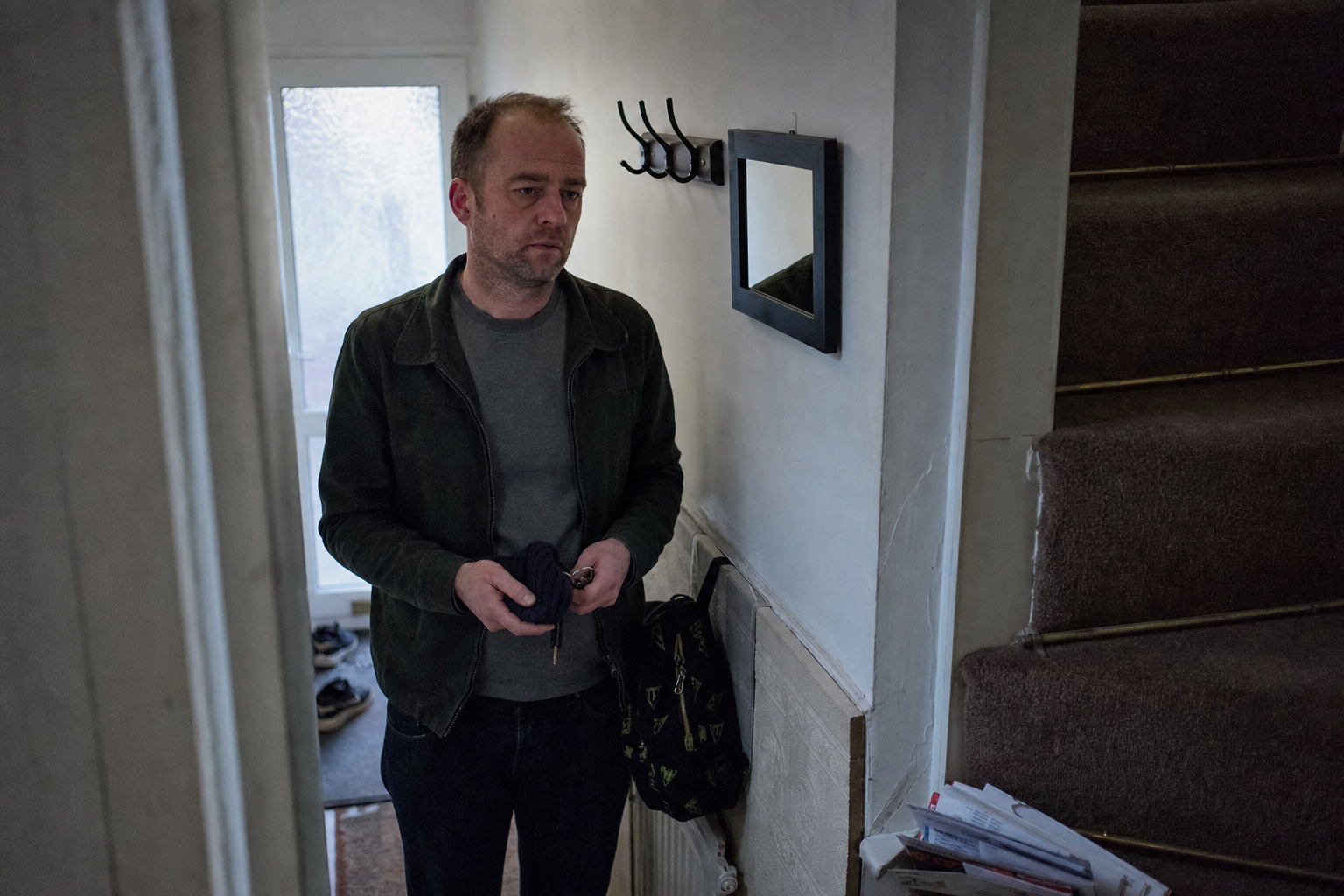
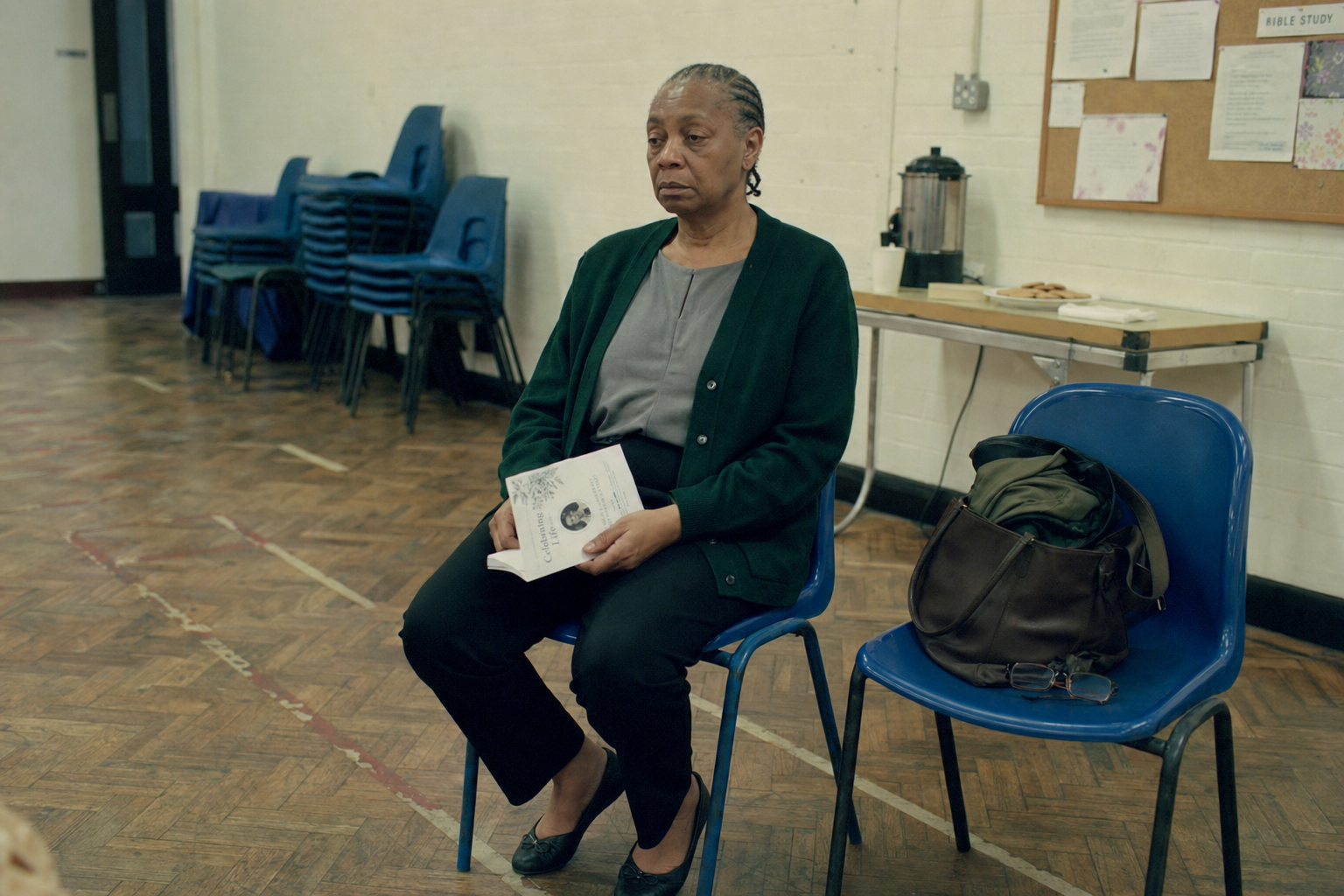
The task you cannot make yourself start
The task you keep putting off has nothing to do with discipline or time. It is a feeling stuck to the job, and avoidance is how your body learns to escape it.

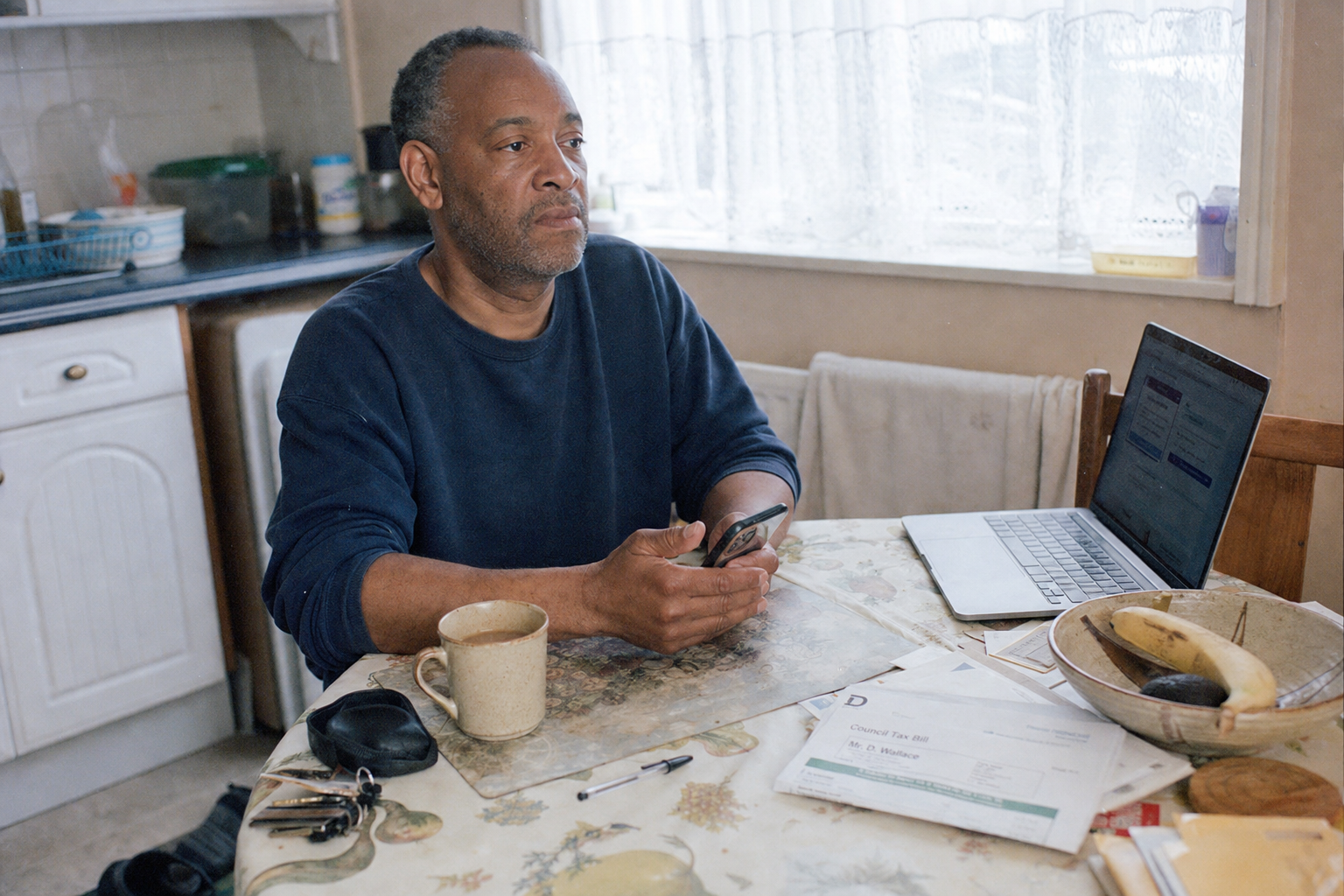
There is a task you have been meaning to do for weeks. It is not difficult. It would take you twenty minutes, maybe less. You know exactly what it involves and you know it needs doing. And still it sits there, moving from one day's list to the next, untouched.
You have called yourself lazy for it. You have promised yourself you will do it tomorrow, first thing, before anything else. Tomorrow comes and you do six other things instead, some of them harder than the one you are avoiding. By the evening it is still there. The guilt has grown a little heavier. The task has not moved.
It is almost never the big things. It is the form that needs filling in. The phone call to book the appointment. The email you owe someone that is now two weeks late and more awkward for the wait. The bit of admin with your name on it. Small, finite, entirely doable jobs that somehow develop a kind of gravity, so that walking past them gets harder, not easier, as time goes on.
Here is what most people get wrong about this. They treat it as a problem of discipline or time. They reach for a new system, a cleaner list, a better app, a promise to themselves about willpower. None of it touches the thing that is actually happening. Because you are not avoiding the task. You are avoiding a feeling the task brings up.
Every job you keep putting off has something attached to it. Not the work itself, but the feeling that arrives when you go near it. For some it is the fear of doing it badly. For some it is the dread of finding out the thing is worse than they hoped: the bill bigger, the reply colder, the problem realer. For some it is a flat, formless resistance they cannot name, only feel. The body reads the task, registers the discomfort, and steers you somewhere easier.
Look at what you reach for instead. It is rarely rest. You will clean the kitchen, answer the easy emails, tidy a drawer, do the supermarket run, anything that feels like motion. The avoidance dresses itself up as productivity so the guilt stays manageable. You end the day tired and busy and the one thing is still undone. That is the tell. If this were laziness you would be doing nothing. You are doing plenty. You are just doing all of it around the one task that carries the feeling.
The relief is the engine. The moment you decide to leave it until later, the discomfort drops. Your body learns something from that. It learns that not starting works. That turning away makes the bad feeling go. So the next time the task comes near, the urge to avoid arrives faster and stronger, because last time it paid off. This is not a character flaw. It is a loop, and the loop tightens every time you run it.
The guilt does not help you start. It does the opposite. Every day the job goes undone, the feeling attached to it grows, because now it carries the original discomfort plus the weight of all the days you walked past it. The task that would have taken twenty minutes begins to feel enormous, not because the work changed, but because of everything you have stacked on top of it.
Underneath it your nervous system is doing exactly what it is built to do. It treats the discomfort attached to the task as a small threat and moves you away from it, the same way it would move you away from anything unpleasant. The thinking part of you knows the job is harmless. The older, faster part does not care what you know. It responds to the feeling, not the facts. That is why telling yourself to be sensible never works. You are arguing with a system that does not speak in arguments.
I work with people who have tried every productivity method going and still cannot start the one thing that matters, because no system reaches the feeling sitting underneath the task.
Break it into smaller steps, the advice goes. Just do five minutes. Eat the frog. There is nothing wrong with any of it, and for a small job with no charge on it, it works fine. But when the task carries a real feeling, breaking it down only gives you smaller things to avoid. The five-minute rule assumes the problem is the size of the task. The problem was never the size. A two-minute job and a two-hour job get avoided for the same reason, and you have probably noticed that the two-minute one can sit there just as long.
You may have managed it through sheer force a few times. Gritted your teeth, pushed through, got it done. And it worked, until the next thing, because force does not change what the task means to you. It just spends energy overriding the feeling for one afternoon. The feeling is still there the next time, waiting, and your reserves are lower.
What changes things is going the other way. Not pushing harder against the avoidance, but looking at what the task actually brings up. When you sit with the specific job you keep dodging and ask what feeling arrives the moment you imagine doing it, something usually surfaces. A fear of being judged on the result. An old sense that you are not up to it. A dread left over from a time something similar went badly. The task is carrying that. Once you can feel what it is carrying, the job stops being the enemy and becomes what it always was: twenty minutes of ordinary work with a feeling stuck to it.
That feeling can be changed. Not managed, not pushed down, not white-knuckled past. Changed, at the level where it was set. When the charge comes off the task, the avoidance has nothing left to run on. You do not have to motivate yourself to do a thing that no longer makes you flinch.
The task you keep putting off is not a measure of how disciplined you are. It is a place where a feeling got stuck, and stayed, long after you forgot it was there.

Subscribe to our newsletter