An AI chatbot can hear you. It cannot change you.
AI therapy chatbots will listen at 3am, but being heard is not the same as healing. What they get right, where they stop, and what truly shifts a pattern.

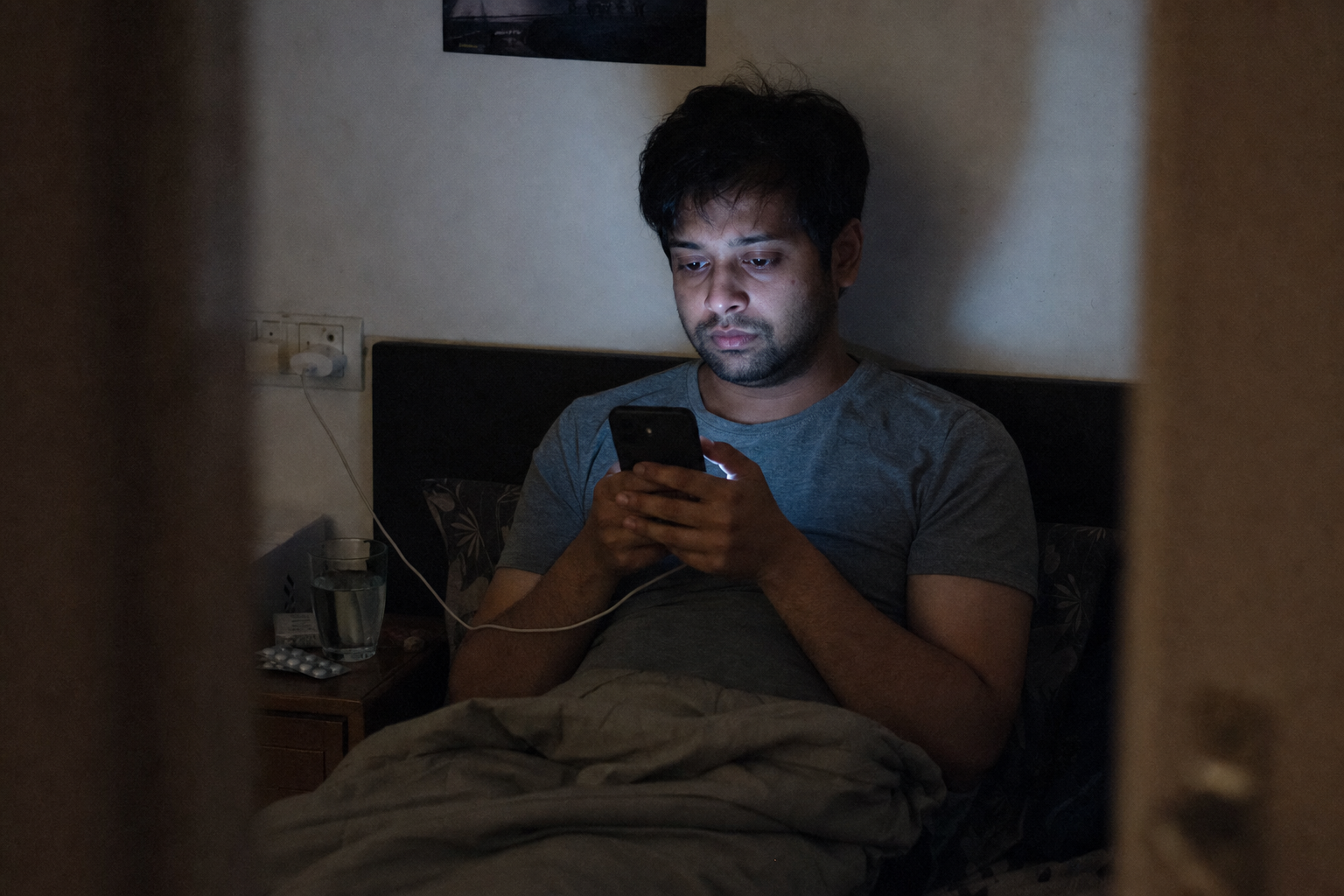
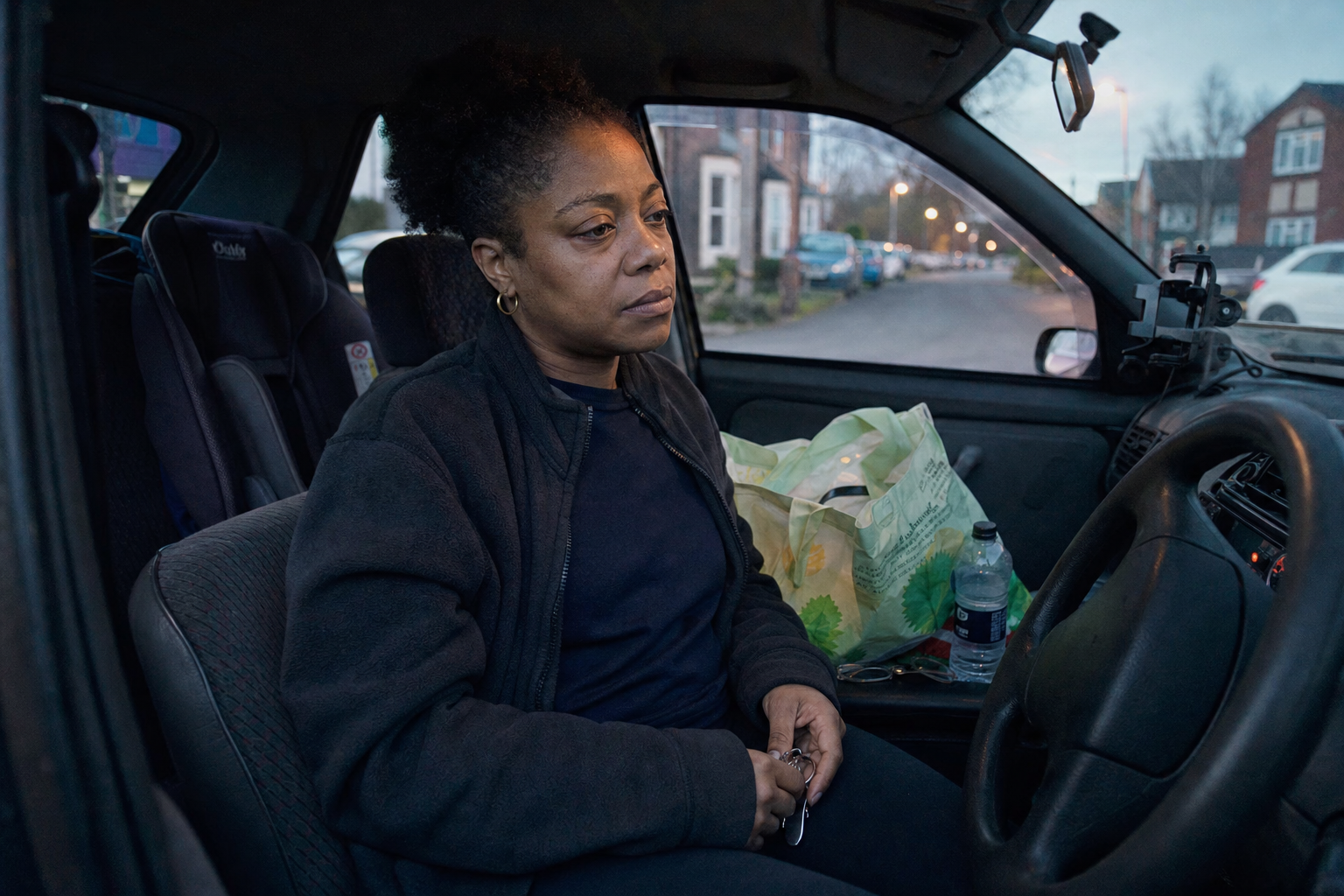
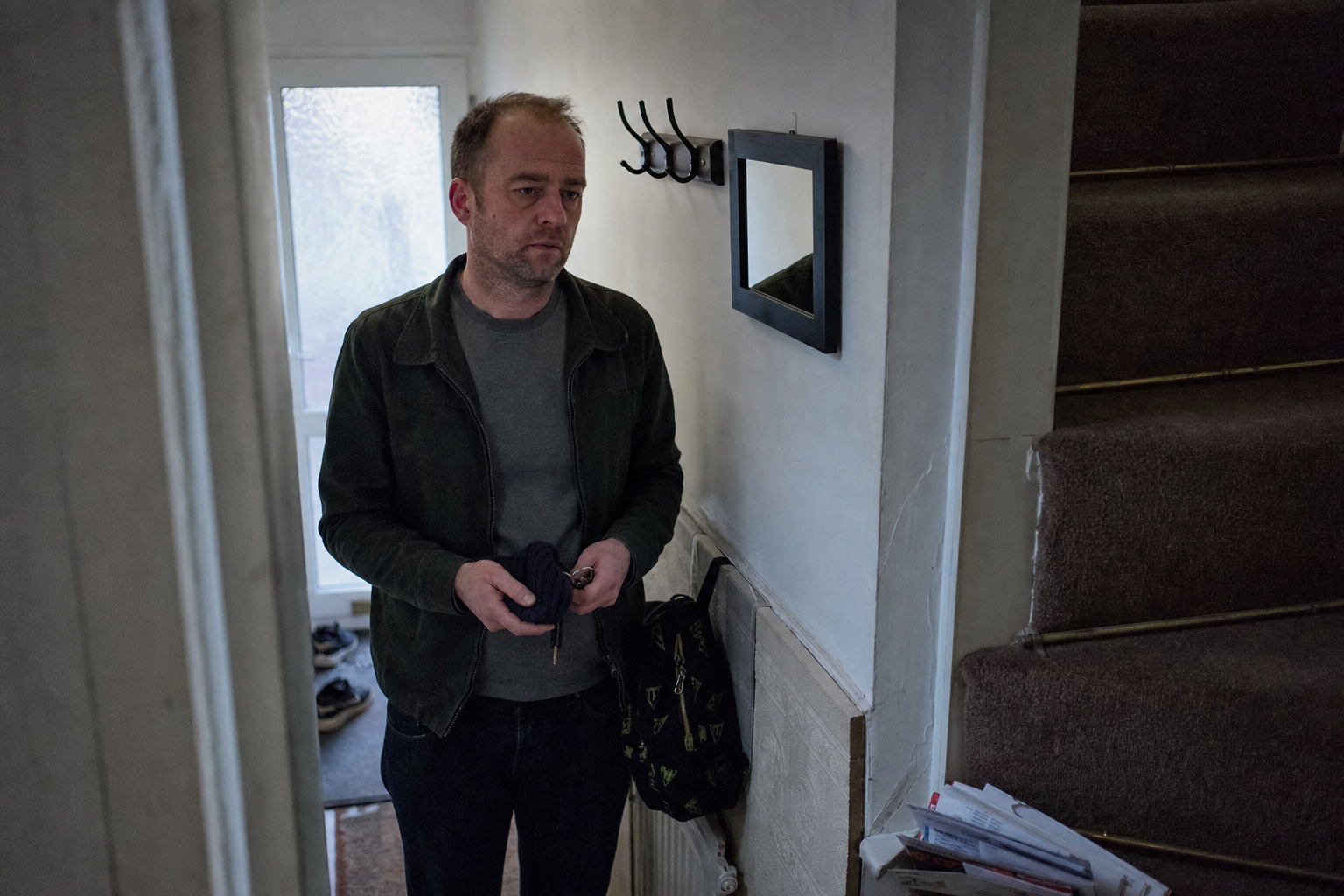
There is a good chance you have already tried it. You typed the thing you could not say to anyone else into a chat box, late at night, and a reply came back that did not flinch. No raised eyebrow. No awkward silence. Just attention, instantly, at the moment you needed it.
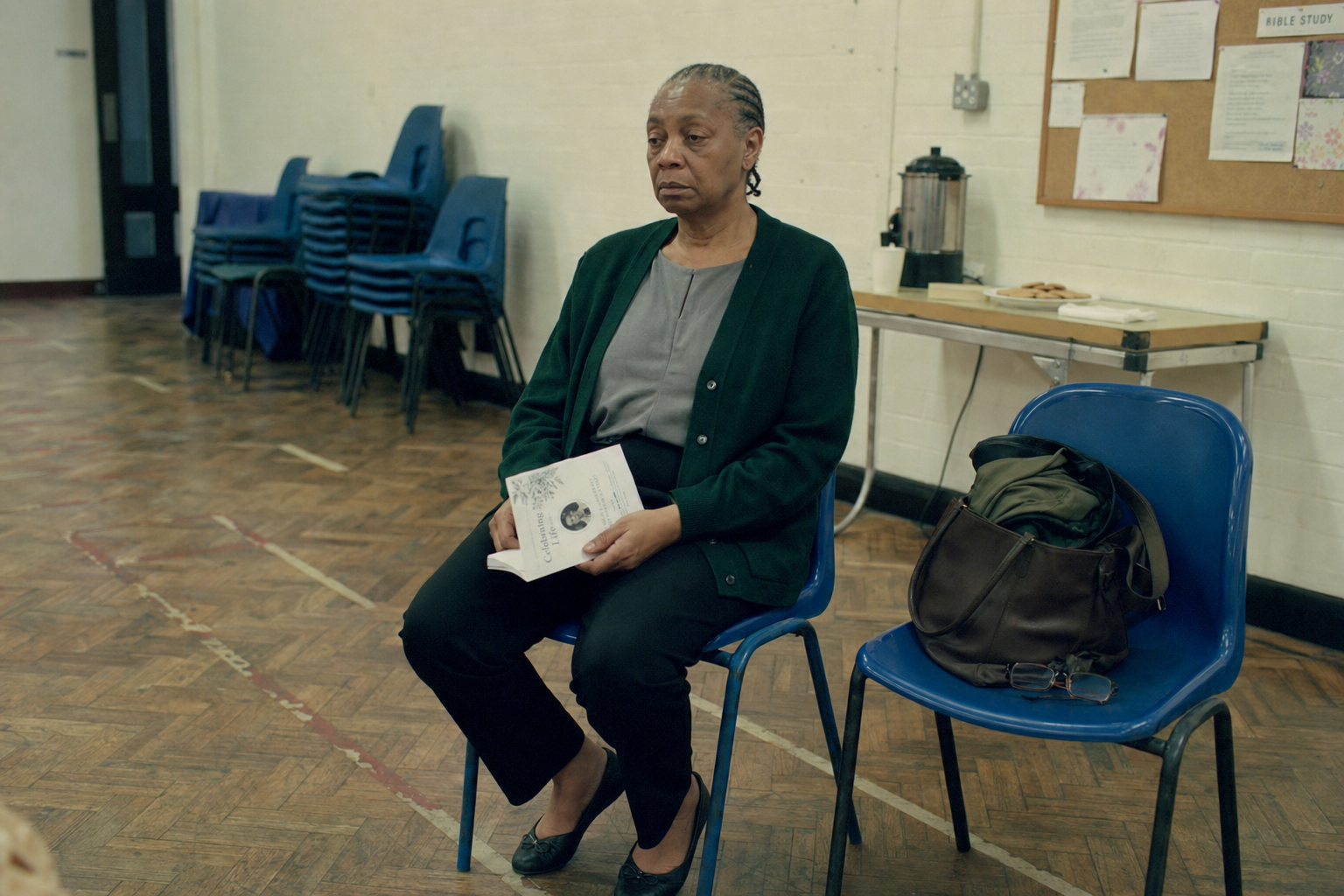
For a lot of people that is the first time they have felt heard in months.
So let me be straight about what these tools do well, because waving them away misses something real.
What it gets right
An AI chatbot is there at three in the morning when no one else is. It does not judge. It does not get bored of you. It does not bill you or put you on a waiting list or make you feel like a burden for needing it. You can type the ugly thought, the shameful one, the one you have never said out loud, and nothing in the room changes. For a lot of people that safety is the whole appeal.
The research even supports a version of this. For everyday stress and mild low mood, in the short term, people do report feeling better after using these tools. A place to put the words matters. It always has. That is not new, and it is not nothing.
Some people say the chatbot listens better than anyone in their actual life. I believe them. If you have spent years being half-heard by busy people, a thing that gives you its full attention on demand can feel like cool water.
There is a reason so many people are reaching for this at all. A machine became the most available listener in millions of lives because the human ones got harder to reach. Friends are stretched thin. Therapy is expensive or months away. Saying the real thing to someone who knows you feels too exposing. The chatbot fills a gap that should never have opened, and the fact that it fills it says something about how alone a lot of people have become.
Where it stops
But being heard is not the same as being healed, and this is where the trend gets oversold.
A chatbot works with what you type. The trouble is that the thing actually running you does not live in what you type. It lives below the words, in the body, in patterns laid down long before you had language for them. You can describe your anxiety in clean, accurate sentences and still feel it grip your chest the next morning. The describing is not the changing.
Most of what I work with sits underneath conscious thought. The flinch before you have decided to flinch. The reach for the drink before you have noticed wanting it. The shutdown that moves through your body while your mind is still talking. None of that is reachable through a keyboard, because none of it is happening at the level of the keyboard.
There is also the question of who is on the other end. Change does not come only from being understood. It comes from being understood by someone, a person whose attention you can feel, who notices the thing you keep stepping around and does not let you step around it. A model built to keep you engaged is very good at making you feel met. It is far less good at the one move real work often depends on, which is the quiet refusal to agree with the story you have always told about yourself.
And there is a harder limit worth naming plainly. The research out this year is blunt about it. For moderate to severe depression and anxiety, human practitioners do better than the chatbots, and the gap grows the worse a person feels. The tools also cannot reliably tell when someone is in real danger. A chatbot can miss a person sliding toward crisis in a way a trained human rarely would. That is not a reason to panic about the technology. It is a reason to be clear about what a tool is for and what it is not.
You can spend a year being beautifully understood by a machine and arrive at the same place you started, only more fluent in describing it.
What actually changes a pattern
None of this makes AI worthless here. Used well, it is a reasonable first step. A journal that answers back. A way to empty your head at two in the morning so you can sleep. Something to hold the gap while you wait for more. Given how long the waiting lists have become, that is not a small thing.
The mistake is treating the bridge as the destination. Feeling heard brings relief, and relief feels like progress, so it is easy to keep going back to the thing that soothes and never reach the thing that shifts. Comfort and change are not the same, and the first can quietly stand in for the second for a very long time.
What changes a pattern is not more insight about it. Most people stuck in something can already explain it in detail. They have read about it, talked about it, typed it into the box a hundred times. The understanding was never the missing piece. The pattern is held underneath the understanding, and it moves when you work at that level, in the body, with another person actually there. That is slower than a reply at midnight. It is also the part that holds.
Working at that level looks slower and stranger than typing. It is noticing what your body does when a certain subject comes up, before you have explained anything to anyone. It is the moment an old feeling finally finishes instead of being described one more time. None of that fits into a text box, because the keyboard only ever had access to the part of you that was already willing to talk.
An AI chatbot can hear you, and being heard is worth something. It is simply not the same as being changed. Knowing the difference is the whole thing.

Subscribe to our newsletter