The waiting list has become a place people live
Assessment queues now run to years, and a waiting list was meant to be a queue you pass through. For a lot of people it has become somewhere they live.

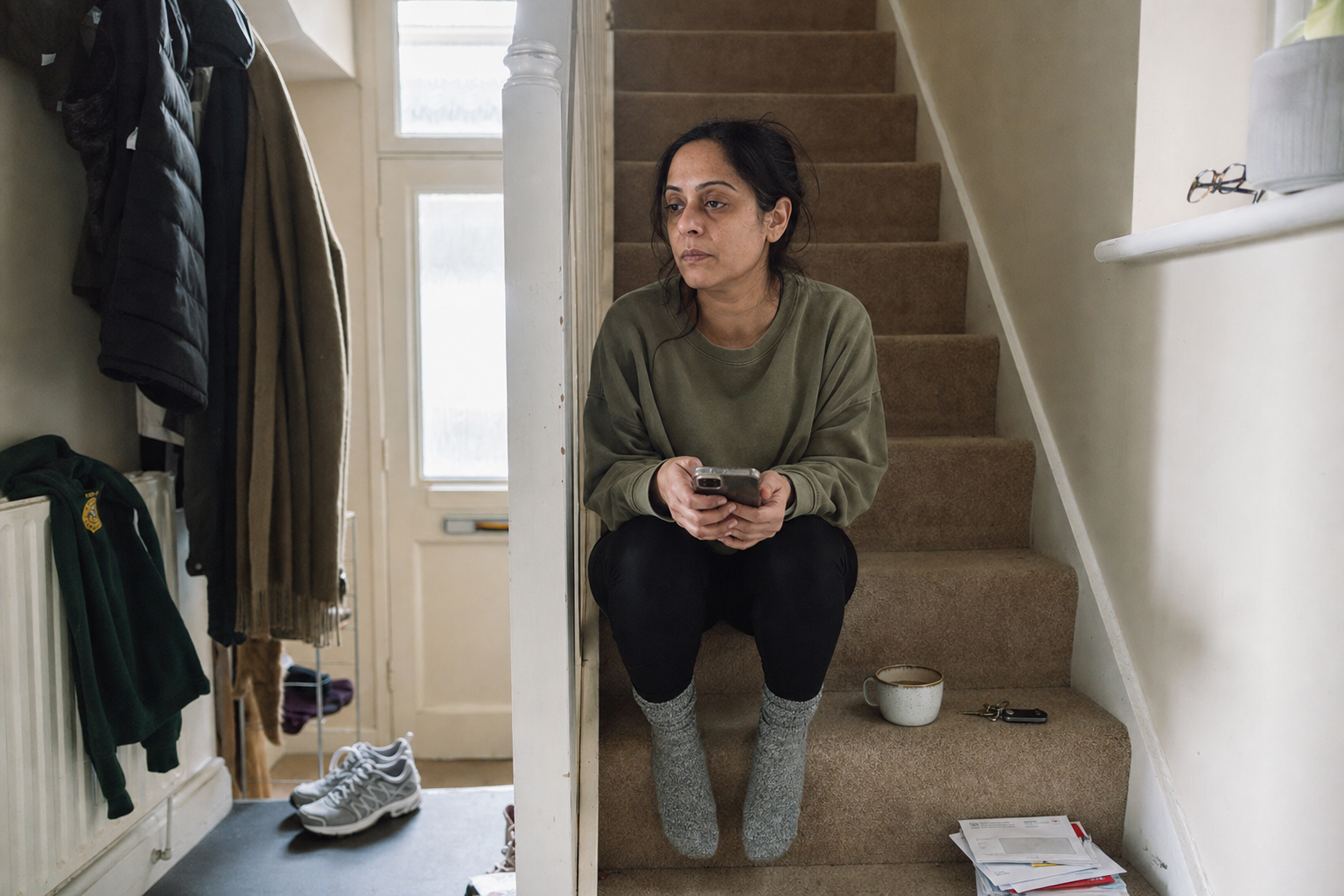
You have been on the list since last spring.
Someone said eighteen months. Someone else said closer to two years. You wrote the date down and told two people, then stopped telling anyone, because saying it out loud started to sound like an excuse.
The argument about waiting lists is a real one and it is being had loudly. Referrals up, capacity flat, and a long-running row about whether the rise is genuine need finally surfacing or a country talking itself into diagnoses it does not have. Clinicians have published on both sides of it this year. One camp holds that there is still no good evidence of overdiagnosis, and that under-recognition remains the bigger problem. Another says diagnostic practice has got loose at the edges and the numbers show it. Both sides are arguing in good faith, and both have something worth hearing.
That argument matters. It decides who gets seen, and how fast.
It has very little to say to the person sitting in the middle of it, doing nothing, for two years.
A waiting list is supposed to be a queue. Somewhere you pass through on the way to something. For a lot of people it has quietly become somewhere they live.
You can watch it happen. Life turns provisional. You do not apply for the job. You do not start the course. You put off the conversation with your partner about why the evenings keep going the way they go. It is rarely a decision. Things just get filed under after.
Other people only see the flat version of this. You turned something down again. You have gone quiet. What they cannot see is that you are not refusing anything. You are holding, because holding feels like the responsible thing to do until somebody official tells you what is going on.
"Once I know, I can start."
That is the sentence sitting underneath it. It sounds reasonable. It is also two years long.
I work with people who are somewhere in the middle of a wait. A mother referred before her youngest started school. A man on shifts running on three hours of sleep and a temper he does not recognise. Someone signed off work and going quietly mad in a quiet house. None of them are trying to jump the queue, and most of them still want the appointment. They want the eighteen months in between to be liveable.
What the assessment is for
None of this is an argument against being assessed.
A diagnosis opens doors that stay shut without one. Medication that genuinely works for a lot of people. Adjustments at work you have a right to and cannot ask for otherwise. Support for a child who has spent six years being called lazy by adults who should have looked closer. And the name itself does real work. It reorganises a whole history in an afternoon, and the relief people describe is not imaginary.
The wait is not your fault either. Services are carrying far more than they were built for. A queue that long is a failure of capacity, not of character.
But an assessment answers one specific question. It tells you what you have. It was never built to tell you what to do with a Tuesday afternoon in the meantime, and it was never meant to hold a life open for two years while it decides.
Meanwhile something is still running. Whatever sent you to the GP has not paused out of respect for the process. It is there in the mornings. It is there in how you speak to the people you live with. Two years of it is two years, whatever the letter says when it finally comes.
There is a second cost, quieter than the first. Waiting teaches you that you are not allowed to act yet. Every month of deferring reinforces the idea that this is bigger than you and the answer belongs to someone else. By the time the appointment arrives you have had two years of practice at being a person who cannot start.
Nobody intended that. It is what the delay produces.
What can move before the letter arrives
Not all of it can, and it would be dishonest to pretend otherwise. Some of what you are waiting for genuinely needs a clinician, an assessment, sometimes a prescription. That part is worth waiting for.
But a good deal of what makes the wait unbearable is not the thing being assessed. It is what has grown up around it.
The dread before a phone call. The loop that starts at two in the morning and goes round until five. The temper that lands before you have decided anything. The way the world has slowly got smaller, one avoided thing at a time, so that by now the queue is not the only thing keeping you still.
Those are patterns. They were laid down somewhere, they are running now, and they can be reached without a letter.
They are also not what the assessment is looking for, which is part of why they go unattended for years. A referral names one thing. It does not account for the avoidance, the broken sleep and the short fuse that build up around the naming, and those are usually the parts doing the daily damage.
Neither of the two obvious conclusions is right. You do not have to sort it out alone, and you do not have to drop the assessment to get on with something. Work at that level runs alongside the medical route rather than against it, and it can start this month rather than in 2028.
What shifts first is usually not the headline. It is the size of the day. You take on the thing you had shelved. You have the conversation you were saving for afterwards. Sleep comes back before anything official changes. Your family tends to notice before you do. The house gets easier in the evenings, and the person you live with stops bracing when you come through the door.
The waiting carries on. It just stops being the only thing happening.
The date is still in the diary. It is worth keeping. It does not have to be the day your life starts.

Subscribe to our newsletter