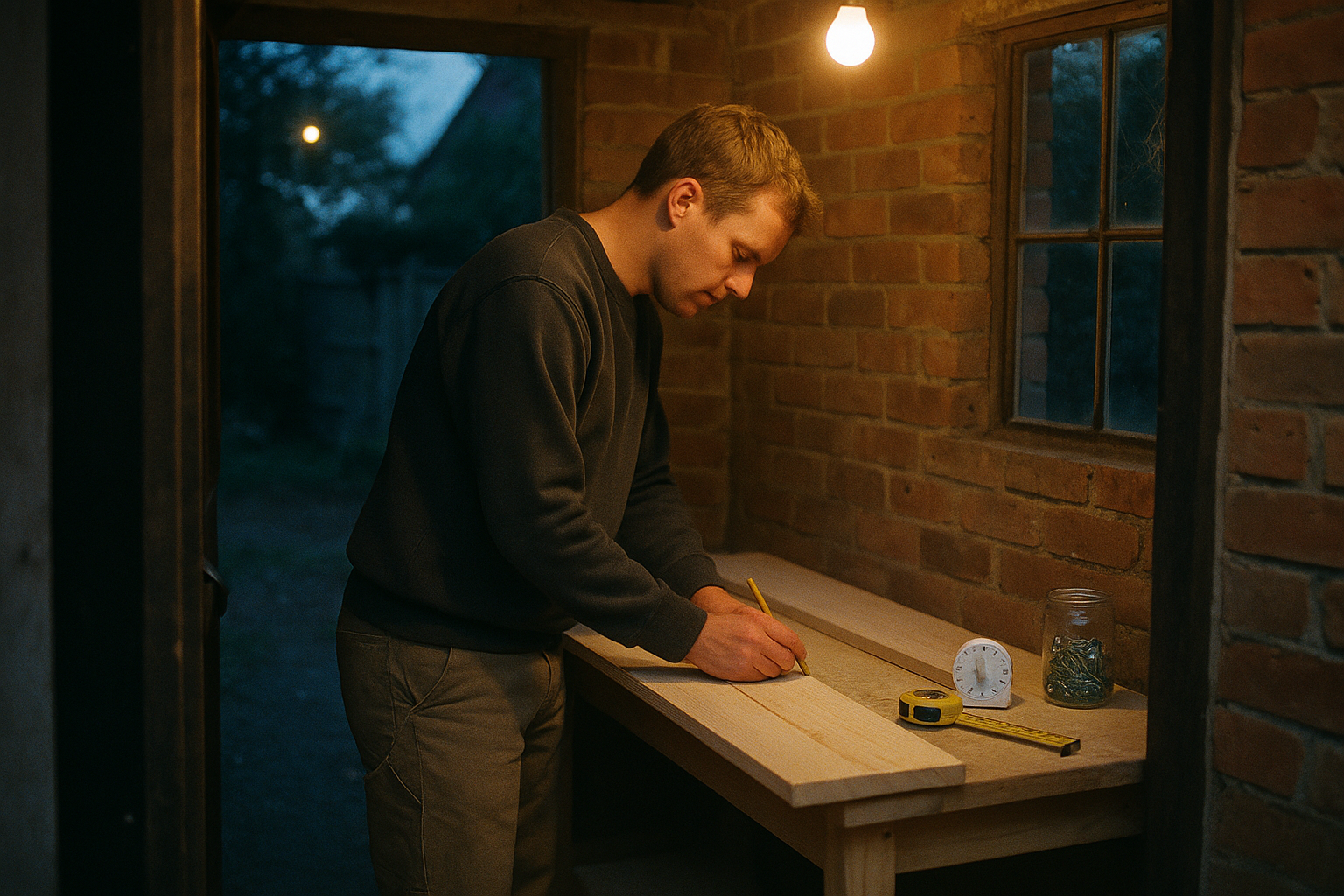
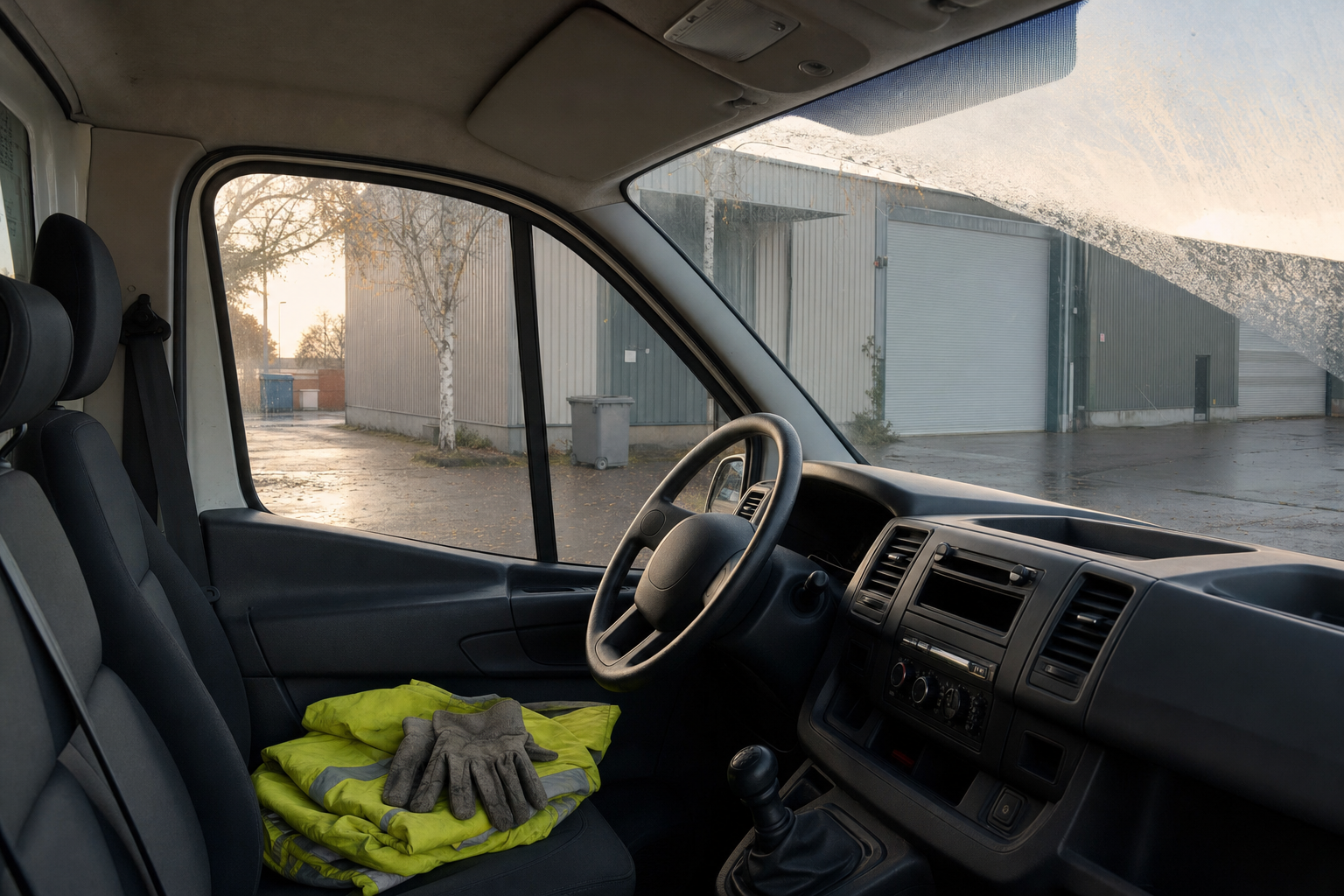
Nobody snaps about the thing they snap about.
Nobody snaps about the thing they snap about. Why a temper that only ever arrives at home is built from a whole day of holding, and what actually changes it.


You did not say anything when the job came back for the third time. You did not say anything when the van in front sat through a whole green light. You did not say anything at the school gate, or on the phone to your mother, or at ten to five when the message came in that meant another hour.
Then someone at home leaves a cupboard door open, and the whole house hears about it.
Nobody snaps about the thing they snap about. The cupboard door is not the cause. It is the last item on a list nobody was keeping.
There is a lot of talk at the moment about the country having a short fuse. Surveys keep finding people angrier than they were, and the reasons offered are money, work, queues, being squeezed from every side. Most of that is plainly true. Life has got harder to absorb, and there is a limit to how much absorbing anyone can do. One of the better observations made this year is that Britain is less angry than it is worn out. That is closer to it. But it describes the fuel and stops short of the engine.
Anger does not sit still while it waits. Every time you decide not to say the thing, the decision takes about a second and the feeling behind it takes considerably longer to leave. Most days it does not leave at all. It gets set down somewhere and you carry on.
You will not notice this happening, because none of it feels like a decision. The job comes back and you say fine, no problem, and you mean it, near enough. The van sits at the green light and you breathe out through your nose. Your mother says the thing she always says and you let it go past. Each one costs a little. Nothing you could point to by six o'clock.
Being reasonable for ten hours is not the same as being calm. Calm is when there was nothing to hold. What you did all day was hold.
So by the time you hear your own voice go up over a cupboard door, the part of you that weighs things is already behind. Whatever decides this decides it lower down, half a second before the sentence has finished forming, and your reasons turn up afterwards to explain something that has already happened.
It goes off at home because home is the one place the holding is not required. Nobody there is going to sack you, or take their business elsewhere, or remember it at the next review. The safest room in your life is where it lands.
You can watch the size of it get out of proportion in real time and still not be able to stop. Somewhere behind your own voice there is a part of you thinking this is not about a cupboard, and it makes no difference at all. The volume is not being set by the thing in front of you.
Where the holding was learned
For most people it goes back a long way. If you grew up in a house where raised voices meant something bad was coming, you learned early that anger is dangerous in the room and safer put away. That is not a flaw. It was an accurate reading of where you were. Nobody told you what to do with it once it was away, so you kept putting it in the same place, for thirty years.
Others learned it later. A job where the person who complained was the person who got managed out. A marriage where a raised voice cost three days of atmosphere. A house where somebody was already taking up all the room, and the useful thing you could be was easy.
Whichever way it was learned, the instruction underneath is the same. Do not make it worse. Say it later. It will pass. And it does pass, in the sense that the moment ends and everybody carries on. What it does not do is go anywhere.
It explains the strange geography of it, a temper that only arrives at home, and it explains why that is the part people are most quietly ashamed of. You can be endlessly patient with strangers. You have the proof. And then there is the face your child makes when your voice changes, and no explanation that survives it.
The techniques are not wrong. Counting, leaving the room, the pause before you answer: they work on the last ten seconds, which is exactly where they are aimed. I work with people who have tried all of them and still cannot understand why the same thing keeps happening in the same kitchen, ordinary people, not violent and not cruel, who have apologised more times than they can count. But the last ten seconds is not where this gets built. By then there are nine hours of material in the room and most of it has nothing to do with anybody present.
It is why walking away can leave people feeling worse rather than better. You walk away, you do the breathing, you come back in and speak levelly, and it works, and by Thursday it happens anyway. Nothing was wrong with the method. It was asked to carry more than any method can hold.
You already know you do this. You have probably known for years, and can describe it accurately, and have said sorry for it more than once. Knowing exactly why has never once stopped it arriving on a Tuesday evening over nothing.
What changes this sits further back than seven o'clock. It sits in the ten hours before, in the part of you that decided, without ever asking, that saying anything at the time was not available. Loosen that, and the day stops arriving at the door with you.
That is slower work than a breathing exercise and considerably less satisfying to read about. It also tends to be the thing that holds, because it changes what gets carried rather than what happens when the carrying gets too heavy.
The people at home never see the ten hours. They see the door, the cupboard, and you. That is the whole of the evidence they have.

Subscribe to our newsletter