Doing nothing has started to feel like work
Rest is not a skill you are missing. It is a door you keep shut because of what waits behind it. Why a free afternoon can feel like a quiet threat, not a gift.

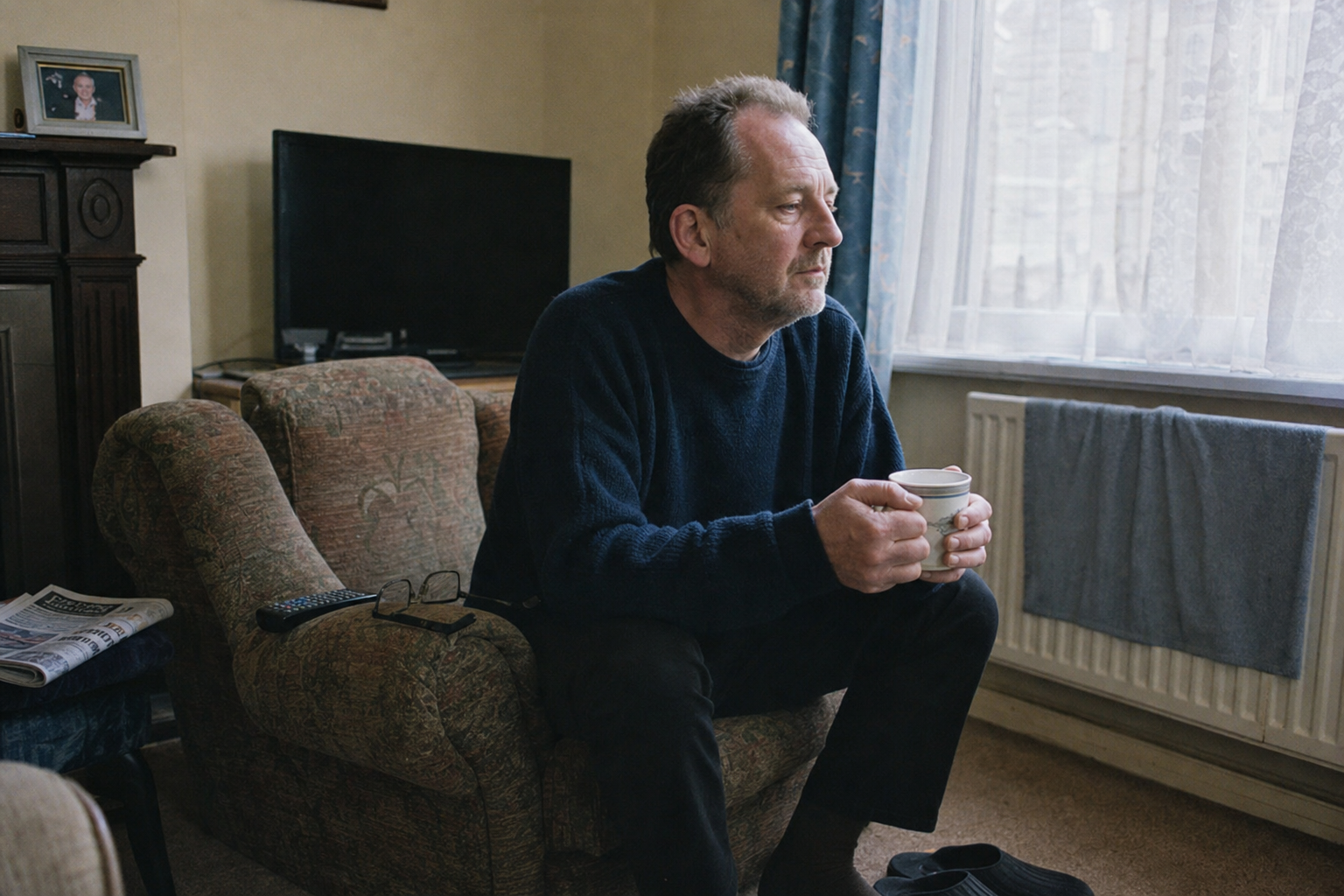
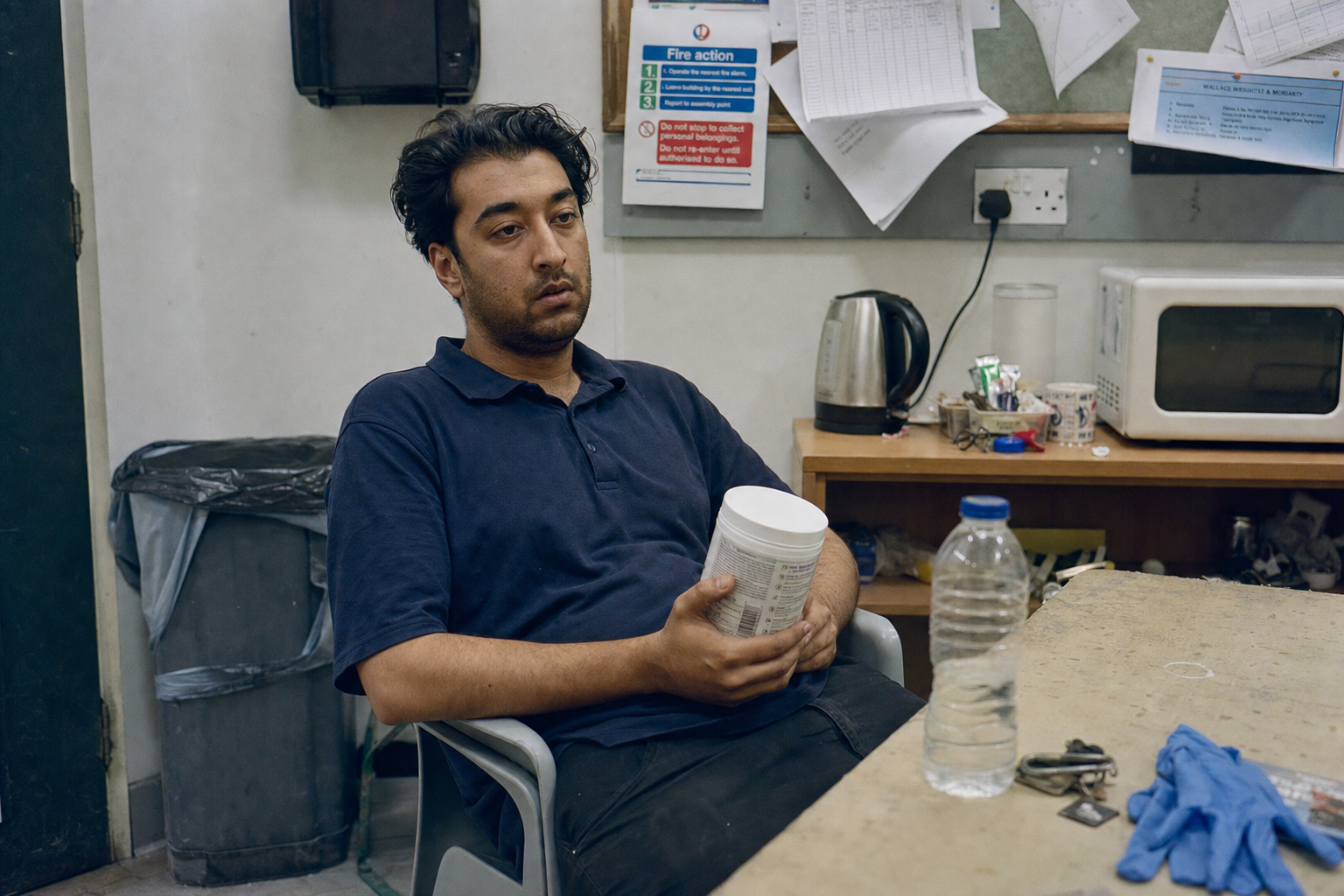
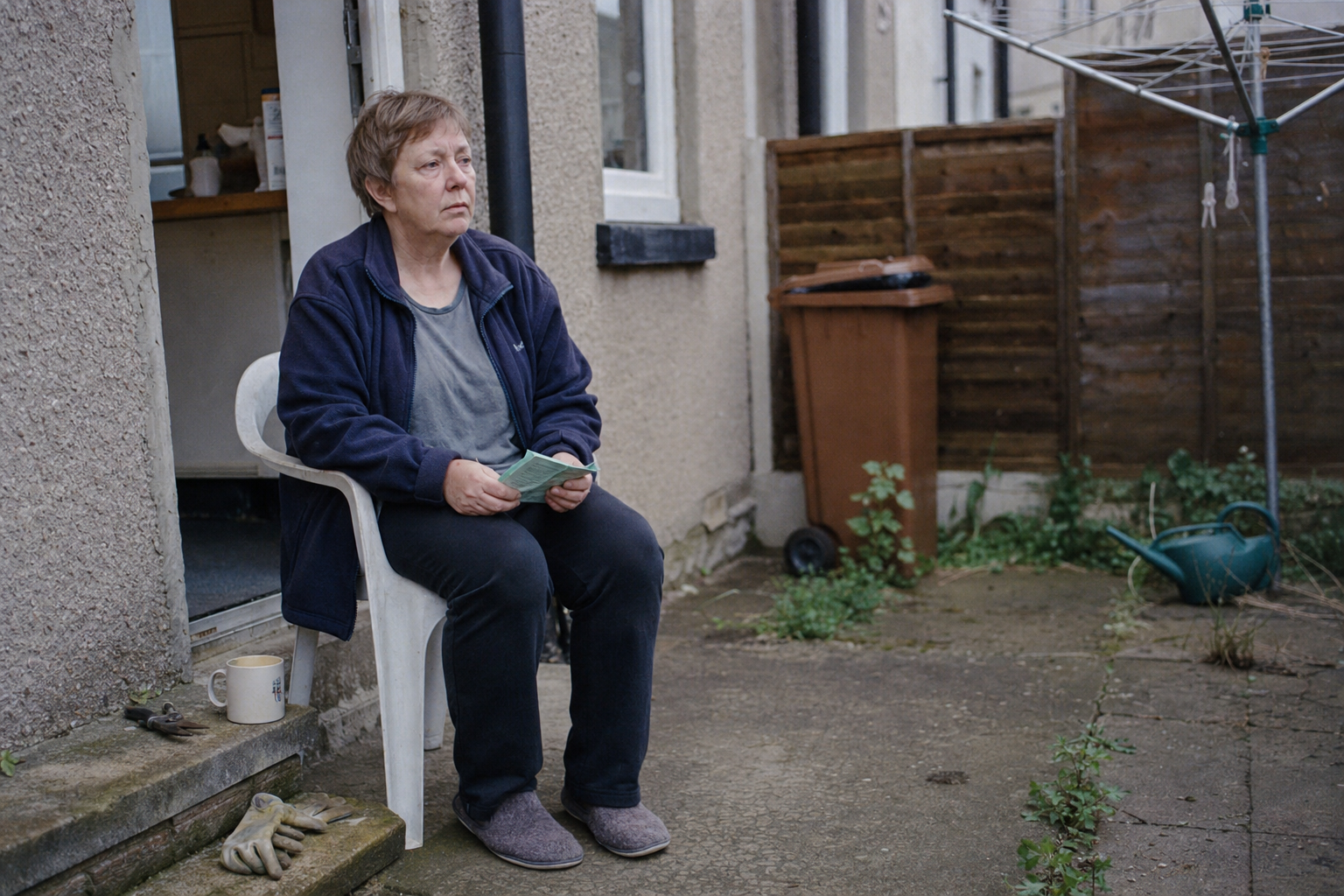
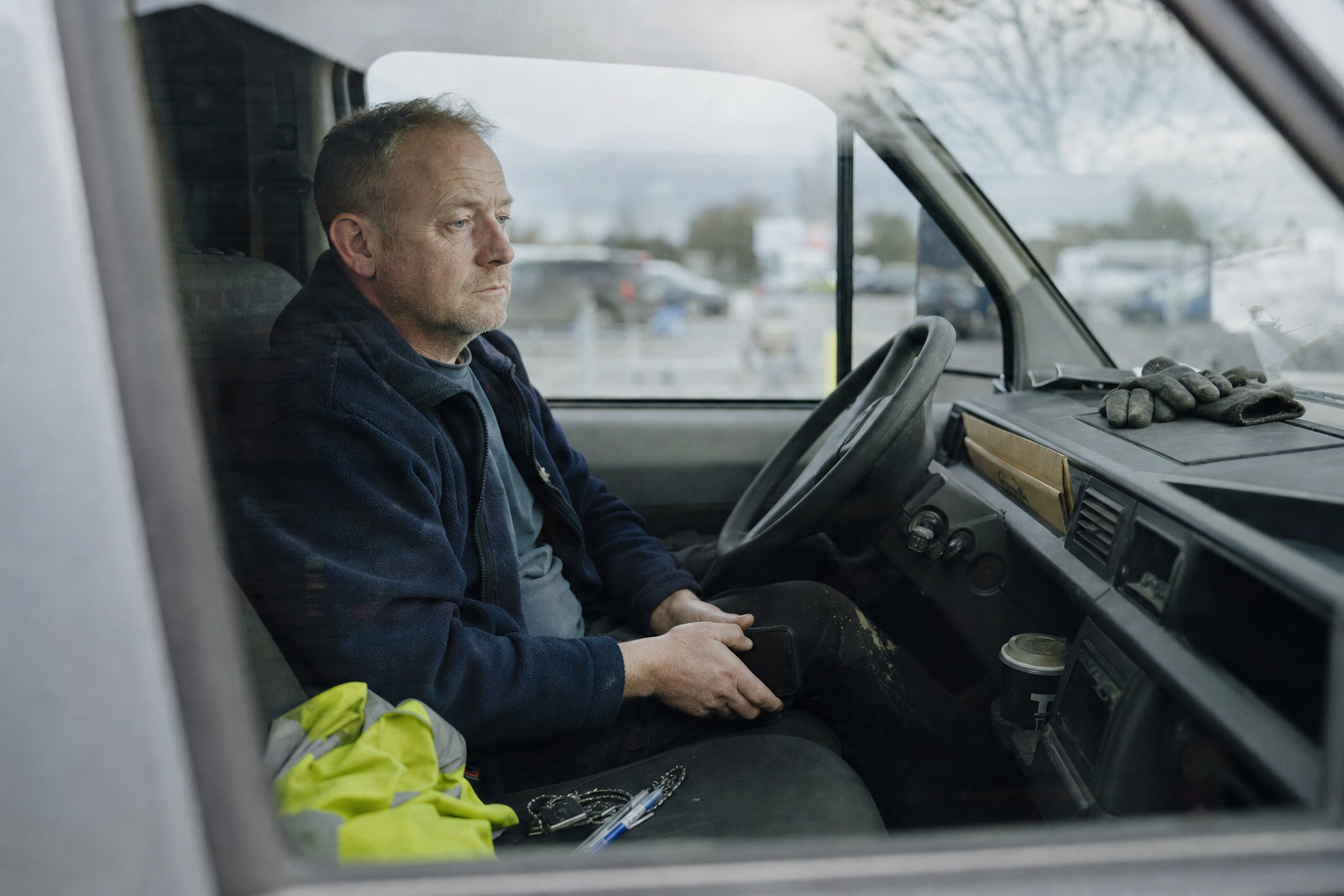
The afternoon is yours. Nothing is booked. The jobs are done, or done enough. For once there is no reason you cannot just sit down and let the day be quiet.
So you sit down. And within about four minutes something in you starts to itch.
You get up to put one mug in the dishwasher. You notice the skirting board could do with a wipe. You check your phone, not for anything in particular, just to check it. You sit back down. You stand up again. By three o'clock you have quietly filled the empty afternoon with ten small jobs that did not need doing today, and the strange part is that you feel no better for it. If anything you feel worse. Tired in a way the jobs did not earn.
The verdict you reach is that you are simply not good at relaxing. Some people can flop on a sofa for three hours and think nothing of it. You are wired differently. You have always been busy, always had something on, and now you cannot switch it off even when there is nothing left to switch off. You call it your nature and you leave it there.
That is not what is happening.
You relax fine when you are exhausted enough. You sleep. You can sit through a whole film when you are too tired to move. The capacity is plainly there. What you cannot do is be still while some part of you is still awake enough to feel. That is a different thing altogether, and it is worth understanding, because you have spent years treating it as a personality flaw.
Why the quiet is the hard part
For most of the day you are moving. There is a task in front of you, a person needing something, a screen, a plan, a next thing waiting. All of that motion does a job you have never noticed it doing. It keeps you a step ahead of whatever is sitting underneath.
Then the afternoon empties out. The motion stops. And the thing you have been outrunning finally catches up. It does not announce itself. It arrives as restlessness. As the sudden urgent need to wipe a skirting board that was already clean. Your body has learned that stillness is where the uncomfortable thing lives, so it will not let you be still. It hands you a job instead. Any job. Anything is easier than the quiet.
Busyness was never only about getting things done. It was about not being caught in one place long enough to feel what is there.
What is underneath is not the same for everyone. Sometimes it is a grief you have kept moving to stay ahead of. Sometimes it is a worry about money, or about a person, that has no solution, so you keep busy rather than sit in something you cannot fix. Sometimes it is a flat loneliness that is easy to ignore while you are occupied and very loud the moment you are not. Sometimes it is simply that if you stop, you will feel how tired you actually are, all the way down, and some part of you is not sure you can afford to know that.
Whatever it is, rest is the one activity that removes your defence against it. Every other thing you do puts something between you and the feeling. Rest takes that something away and leaves you alone with it. No wonder your body treats a free afternoon as a threat rather than a gift.
You can see it across a whole life once you know to look. The holiday that becomes a project. The weekend that fills up with jobs. The evening that cannot be watched without a second screen in your hand. It looks like energy. Often it is the opposite. It is a person who has never learned that it is safe to stop.
This is where the standard advice lands so flat.
You are told to practise self-care. Run a bath. Try a meditation app. Schedule rest into the week like an appointment. Some of that is fine as far as it goes, and I am not going to knock a warm bath. But look at what every piece of it asks you to do. It asks you to be still. And stillness is the precise thing your system has spent years organising itself to avoid. Telling someone who cannot rest to rest harder is like telling someone frightened of water to relax in the deep end. The instruction is aimed at the wrong place.
Rest is not a skill you are missing. It is a door you have learned to keep shut, because of what has been waiting on the other side of it.
I work with people who cannot sit down in their own homes. They are not idle by any measure. Most of them are the ones everyone else leans on, running close to empty and filling every gap so they never have to stand in one. When the thing the busyness has been holding off is found, and the charge taken out of it, the restlessness settles by itself. Nobody teaches them to relax. They simply stop needing to run.
Look at what changes when that happens. When the grief has actually been felt, you no longer have to keep moving to stay in front of it. When the worry has been looked at squarely instead of circled, sitting with it for an hour stops feeling like going under. When you are no longer bracing against how tired you are, you are allowed to be tired, and rest quietly starts doing the thing rest was always meant to do. The afternoon itself does not change. What changes is that you no longer need to escape it.
None of this means you have to become someone who lounges. Some people are more active than others, and there is nothing wrong with a full day well spent. The tell is not how much you do. The tell is whether stillness feels like relief or like danger. If a free hour makes you anxious rather than glad, the trouble was never that you cannot relax.
The afternoon is still yours. You can get up and wipe the skirting board if you want to. But you might, just once, try staying in the chair a little longer than is comfortable, and see what it is that comes to find you.
It is usually quieter than you feared. And it has been waiting a very long time.

Subscribe to our newsletter