Does hypnotherapy work for anxiety?
Yes for many people, with honest limits. How I use hypnotherapy on the anxious response, what it feels like, who it suits and what changes first.


For many people, yes. Hypnotherapy helps with anxiety, with honest limits.
Studies of hypnosis for anxiety are generally positive, but most are small. That makes the evidence promising rather than settled, and thinner than for CBT, which NICE guidance puts first for anxiety disorders. Nobody can promise you a cure or a number of sessions.
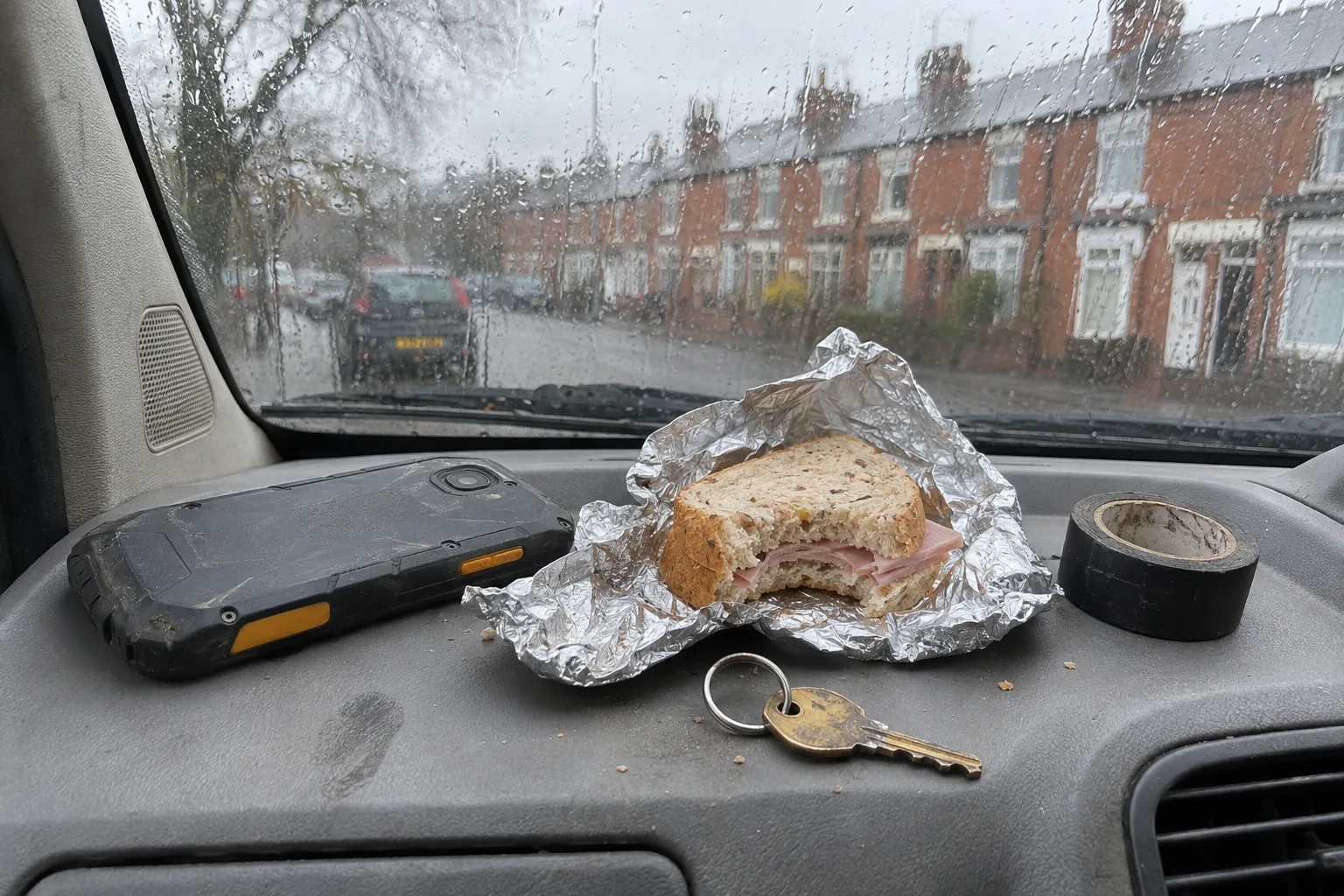
If your chest has gone tight on the drive in every morning for two years, and a breathing app only helped for a week, you want that straight before you book anything. So here is how it works, in the order it happens.
How hypnosis works
Clinical hypnotherapy uses guided relaxation and focused attention. You sit back, I talk, and your attention narrows to a few things instead of the usual dozen. You stay aware and in control throughout. You can hear the traffic outside, you can move, and you can open your eyes whenever you like.
The first few minutes are ordinary. I explain what will happen, you settle, and I ask you to rest your attention on something simple, a sound or your breathing. Most people notice their shoulders drop before they notice anything else.
People often ask whether they will remember it. You will usually recall most of it, because you are not asleep, though time can feel shorter or longer than the clock says.
What people describe afterwards is closer to being absorbed in a book until someone says your name twice. Heavy arms, a slower breath, a quiet mind that still notices things. Many tell me they do not think anything happened. Something did, and it shows in what happens the next time the situation comes round.
Relaxation alone does something real: it can lower your heart rate and breathing rate in the moment. A body that is settled for twenty minutes is useful, but the lasting value sits elsewhere. In this focused state the mind is easier to reach than it is in daily life, where the anxious response has fired before you have had a single thought.
Much anxiety is a learned response. It runs below conscious thought, which is why telling yourself to calm down changes so little.
At some point your mind tied a situation, a sensation or a place to danger, and it has set off the same response ever since. The tight chest on the drive is that response, replayed. That is the part I change.
What happens in the work, in order
The first thing I ask about is the drive itself: where the tightness begins, and on which stretch of road. Most people can point to the spot within seconds. Then I ask when the anxiety first showed and what it is braced against. Most have an answer ready for the first question and none for the second, and the second answer usually arrives within the first twenty minutes.
The answer is often specific: a car park, being late, a phone call from the office. Once it has a name, the tight chest stops feeling random, and that tends to ease some of the dread before any hypnosis begins.
Before the first session I ask people to notice, for a week, when it comes, where they are and what happened just before. Most come back with a pattern they had not seen, often tied to time pressure or to one particular road.
Another thing I see most weeks is that the date people give for the start is rarely the real one. They say two years ago, and when I ask what else was happening around then, there is often a change a few weeks earlier that they had filed under something else.
Then I use hypnotherapy on the response itself, the part running below choice. In the focused state I give your mind suggestions that tie that situation to a settled body instead of an alarm. I also teach you a short self-hypnosis routine to use between sessions, because the change holds better when it is practised on ordinary mornings.
Where one specific memory still drives the anxiety, I use EMDR as well. EMDR stands for eye movement desensitisation and reprocessing: you hold the memory in mind while following my hand from side to side, and its grip loosens. I see people at my practice near Maidstone, Kent, and online. EMDR is in person only.
What changes first is usually speed. The tight chest still turns up some mornings, but it eases in minutes instead of lasting the whole drive. Sleep often follows, and people tell me they have stopped planning the day around the feeling.
It helps least when you expect to be done to. If you arrive hoping to lie back, be fixed and take no part, it tends to stall. Hypnosis is something you do with me, and the practice between sessions is half of it.
Hypnosis is a thing you take part in. The practice between sessions is half of it.
I cannot tell you how large the effect will be for you. The research does not tell either of us that yet, and I would rather say so at the start than leave you to find out later.
Curious and sceptical is a good place to start, and it describes most people who come. Many use hypnotherapy alongside other help, including CBT or medication, and I never ask anyone to stop either. A chest that tightens with pain, or when you exert yourself, needs your GP first.
How to sit with anxiety on the drive in
When the tightness comes, make the out-breath longer than the in-breath, drop your shoulders, and say to yourself what it is: the alarm, firing. Anxiety rises and falls in waves, and it eases sooner when you stop fighting it.
The naming matters more than it sounds. "Something is wrong" keeps the alarm going. "This is the alarm" gives it somewhere to land.
Keep your eyes on the road and your hands on the wheel while you do this. If it builds, pull over somewhere safe and let the wave pass. Many people find the second wave is smaller than the first once they stop bracing for it.
Practise the breath on a quiet day first. Sit in a chair, run the slow out-breath for two minutes, and use it on the drive the next morning.

Subscribe to our newsletter