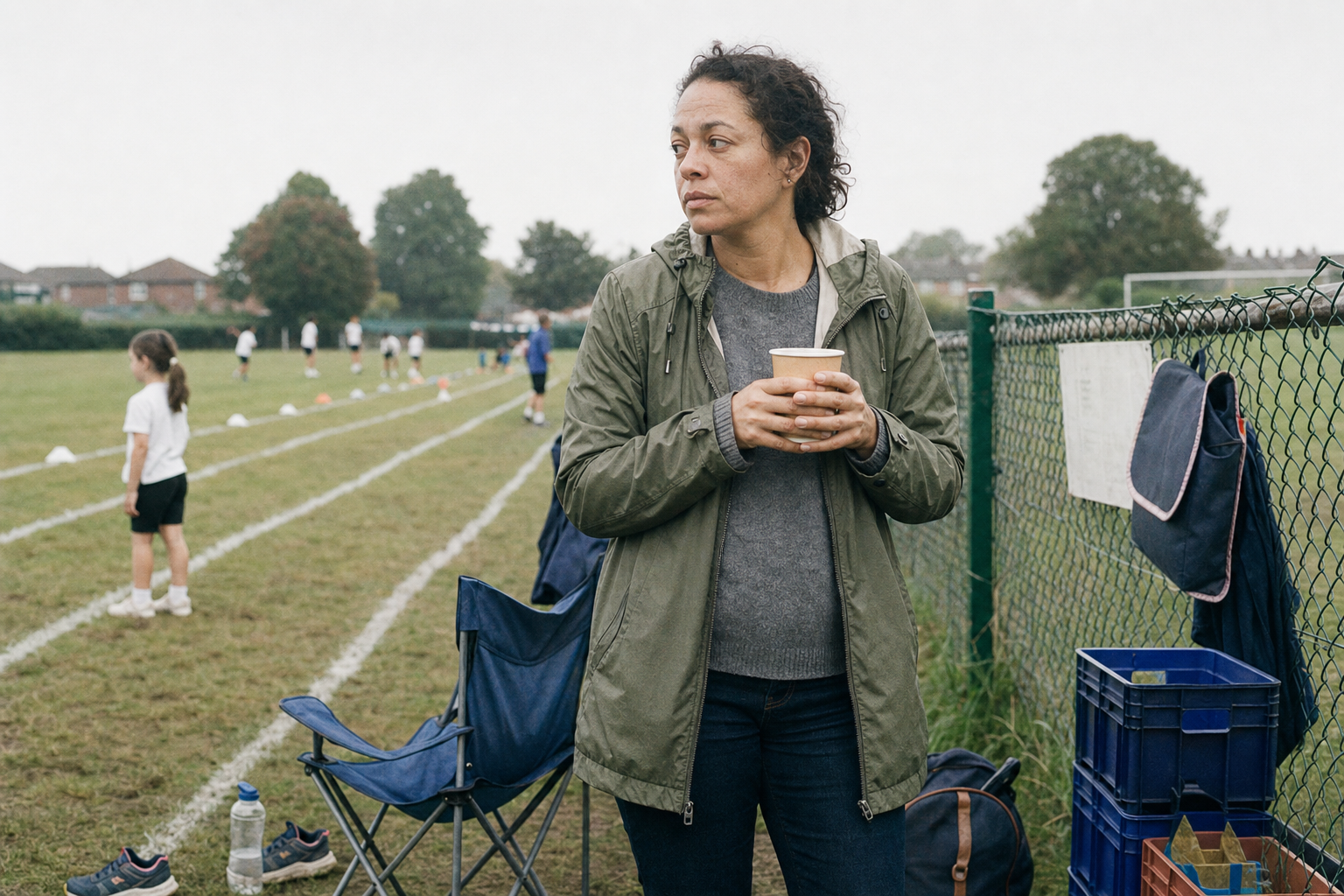
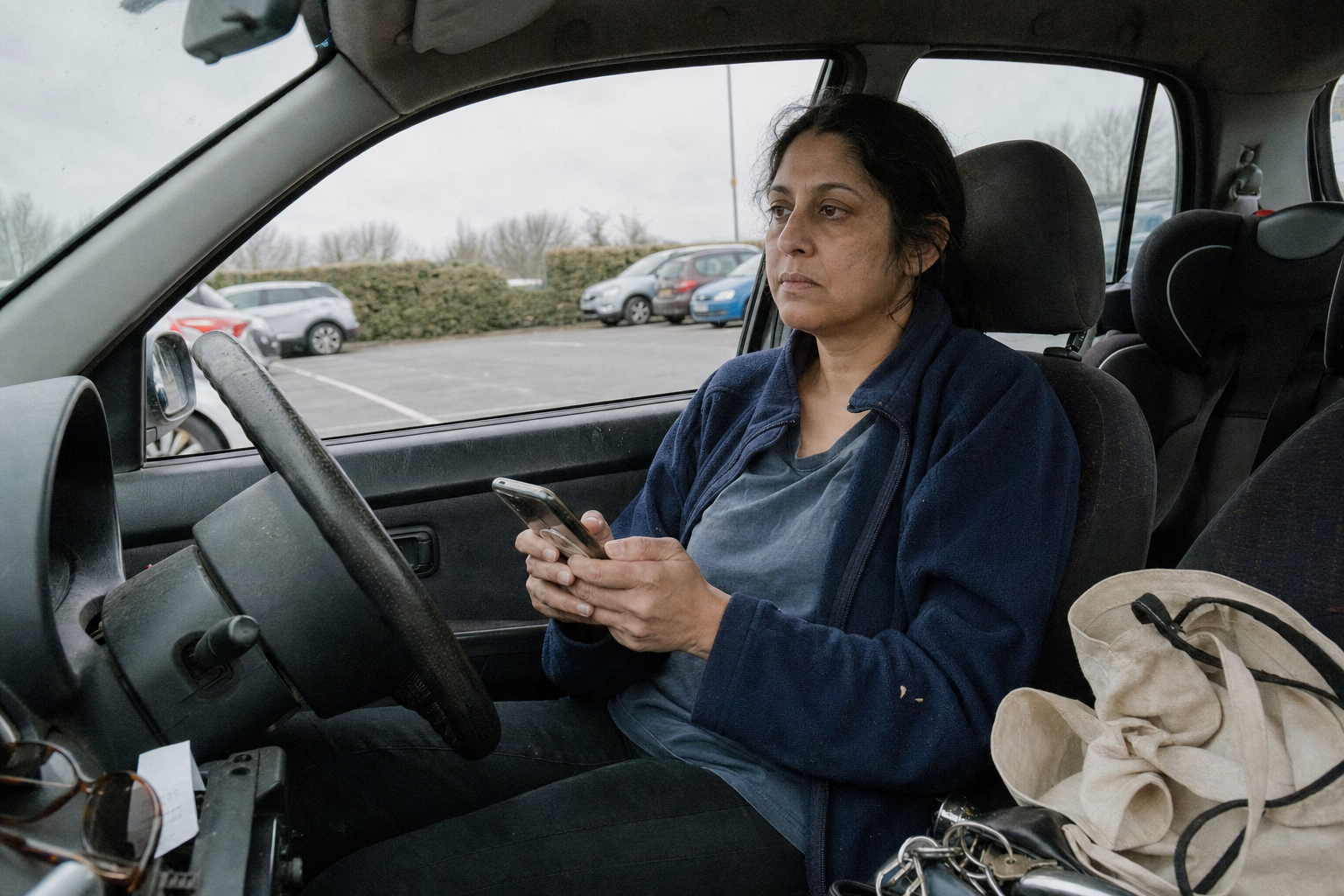
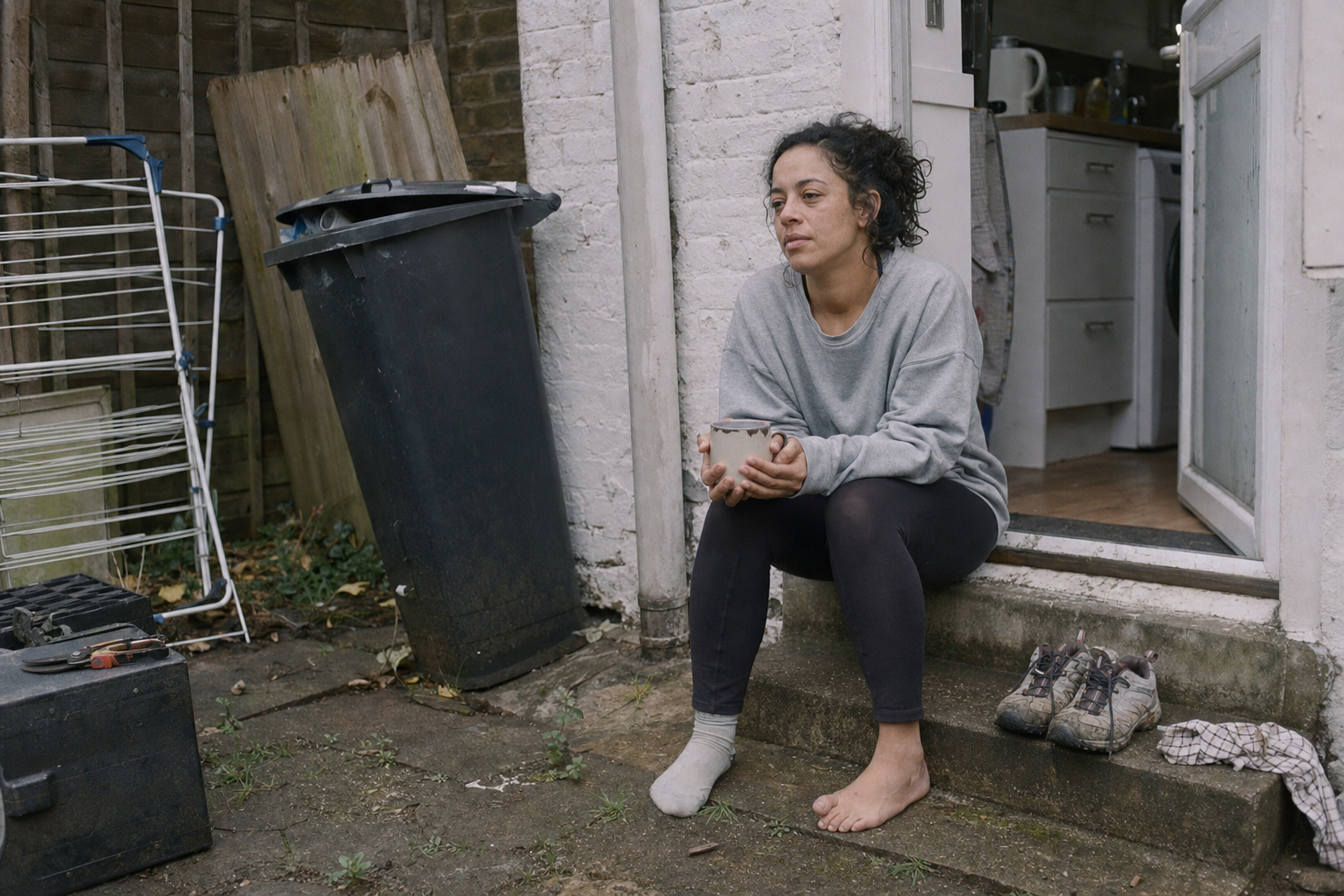
The glass that tells you the day is over
The evening glass is rarely about the wine. For a lot of people it is the only way they know of ending the day, and that is where the real change sits.

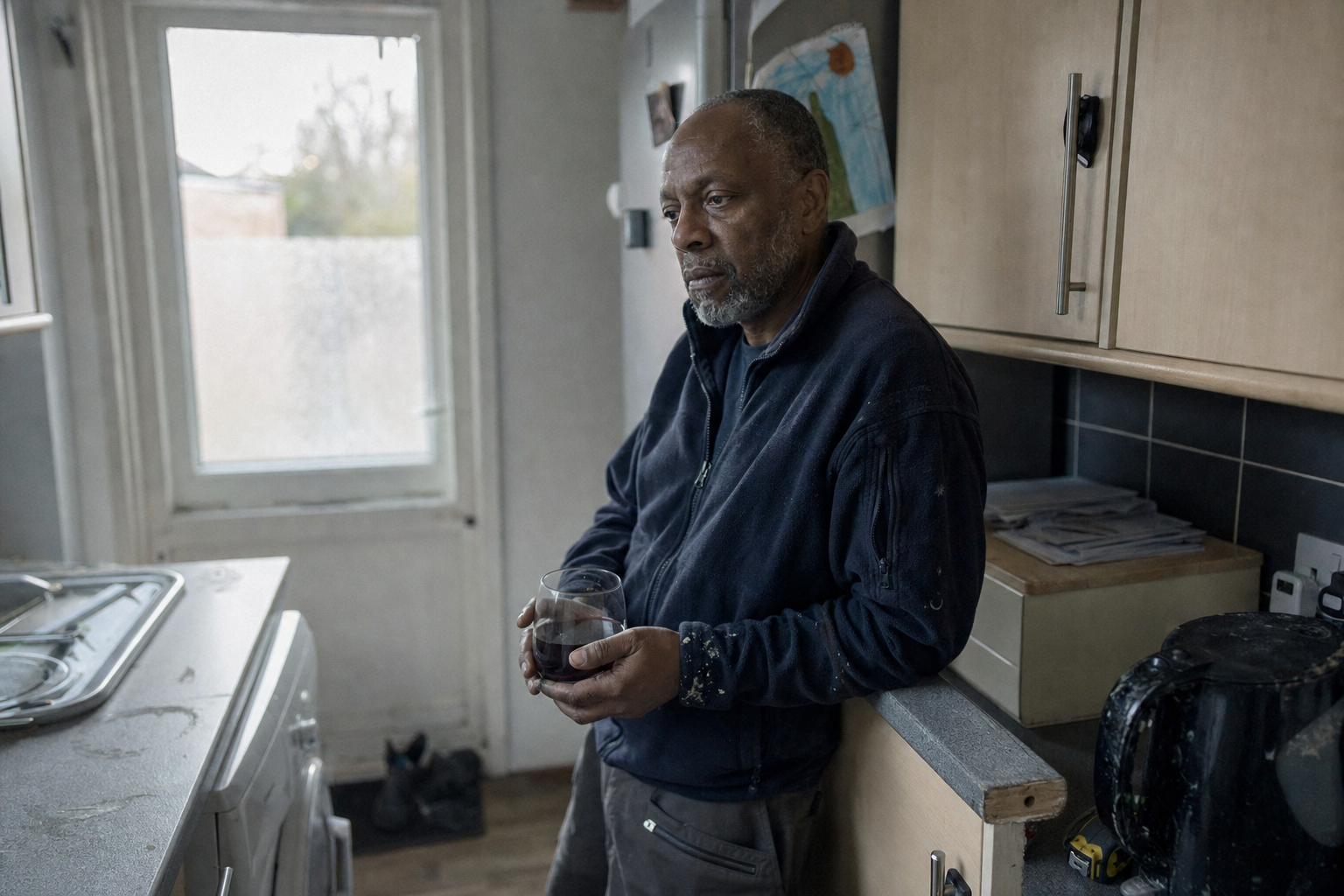
It starts before the glass.
Somewhere near the end of the afternoon, the evening gets decided. Not in words. You are halfway through something else and part of you has already clocked the fridge, the bottle in the door, the cold weight of it in your hand a couple of hours from now.
By six you are counting down without knowing you are counting.
Then the cork comes out, or the can cracks open, and something in your shoulders lets go before a drop has reached your mouth. That is the detail worth sitting with. The relief arrives on the sound, not on the alcohol.
It rarely looks like a problem. One glass, sometimes two. Most nights. Occasionally the rest of the bottle, on the bad ones. Nobody is worried about you, and most of the time you are not worried about you either. You hold down the job, you do the school run, you get up in the morning. It is just how the day ends.
If you have ever tried to give it a week off, you already know what the week sounds like.
"It's only one."
"I've earned it."
"I'll stop at the weekend."
The lines are so familiar they no longer feel like thoughts. They feel like the weather.
What the glass is doing
Most advice about drinking is about the drink. Units, alcohol-free days, smaller glasses, not keeping it in the house. All of that is sensible, and for plenty of people it is enough. Cutting back is a real thing, and simple rules help.
Look at what the advice assumes, though. It treats the wine as the thing you want, and the job as wanting less of it.
For a lot of people the drink is not the point. It is a door. It is the one reliable way they have of moving from one state to another: from on to off, from holding everything to holding nothing, from the person who has been answering to everyone since seven in the morning to the person who is finally allowed to sit down.
That is why a dry evening can feel so oddly hard, even for someone nowhere near dependent. The alcohol is not what goes missing. The door is. With no other way through, the day just keeps going, onto the sofa, into the bedroom, up to the ceiling at midnight.
The drink is rarely the thing you want. It is the only way you know of finishing the day.
The hour before
The hour before the first drink often says more than the drink does.
It is the hour when everything is too loud. The same question asked four times. A comment about the bins. The email that lands at ten to six. Plenty of people catch themselves snapping at the people at home in exactly that window, then feel it drain away twenty minutes later with a glass in their hand. The drink gets the credit. The short fuse was the real story.
A lot of people only see this on the nights they do not drink. The edge stays. Nothing takes it off, and the evening feels like a test they are failing.
It is also the hour when a certain kind of tiredness shows itself. Not sleepy. Used up. The kind that comes from being alert and useful for eleven hours with nowhere in the day to put anything down. If you are running on empty by five o'clock most days, the glass is not a treat. It is the only rest you have found that works on demand.
And then the night goes where drinking nights go.
You drop off easily and wake at three, heart going, mind already halfway through tomorrow. Part of that is chemistry. Alcohol sedates you on the way down and jolts you on the way back up. What you wake into is rarely random, though. It is usually the worry that wakes you at three, the same one the glass was holding off at six. It has simply waited.
So the thing that ended the day also borrows from the next one. By the following evening the hour before is louder again, and the door looks even more necessary.
None of this requires a dramatic amount of alcohol. It runs perfectly well on two glasses. That is partly why it goes unnoticed for years.
Where it actually shifts
Taking the bottle out of the house can help, and for some people it is exactly the right first move. On its own, though, removing the drink does not take the wanting with it. The need for a door is still there at six o'clock, and it will find another one: the phone, the biscuit tin, the second coffee, the argument.
I work with people who would never call themselves drinkers. A nurse coming off a long shift. A man who fits kitchens for a living. A mother of three who pours a glass while she makes tea. They do not have a problem with alcohol in the way the word usually means it. They have a problem with evenings, and the bottle is the only thing that has ever reliably solved one.
What shifts is not willpower. It is what the evening is for.
When the day has somewhere else to end, somewhere inside you rather than inside a glass, the countdown from four o'clock goes quiet. Not overnight. Usually it is noticed in retrospect. The hour before stops being loud. The fuse gets longer. The three o'clock waking loosens its grip, because there is less being held off and less waiting underneath.
People describe it in plain terms. They forgot. They meant to open the bottle and simply did not get round to it, and that had never happened before.
Some still have a drink. It just stops being the door. It becomes a glass of wine, which is all it ever claimed to be.
The bottle is still in the fridge door. Some evenings it stays shut, and you only notice around ten, when you realise the day ended a while ago without it.

Subscribe to our newsletter