The sorry that comes before the real sentence
In a first meeting people apologise for the time, the tears and being there at all, and what they choose shows where they learned to take up less room.

Within the first five minutes, almost everyone says sorry.
It comes before the real sentence. Sometimes it comes before the coat is off.
Sorry for being here. Sorry for the time, as though the hour were borrowed and due back. Sorry that it is silly, or small, or that other people have it so much worse. Sorry for not knowing where to start.
Then the real sentence arrives. It is usually short and plain, and in the room it is almost always smaller than it was in the head.
I have stopped being surprised by how fluent the apology is. It arrives whole, in the voice of someone who has said it for years.
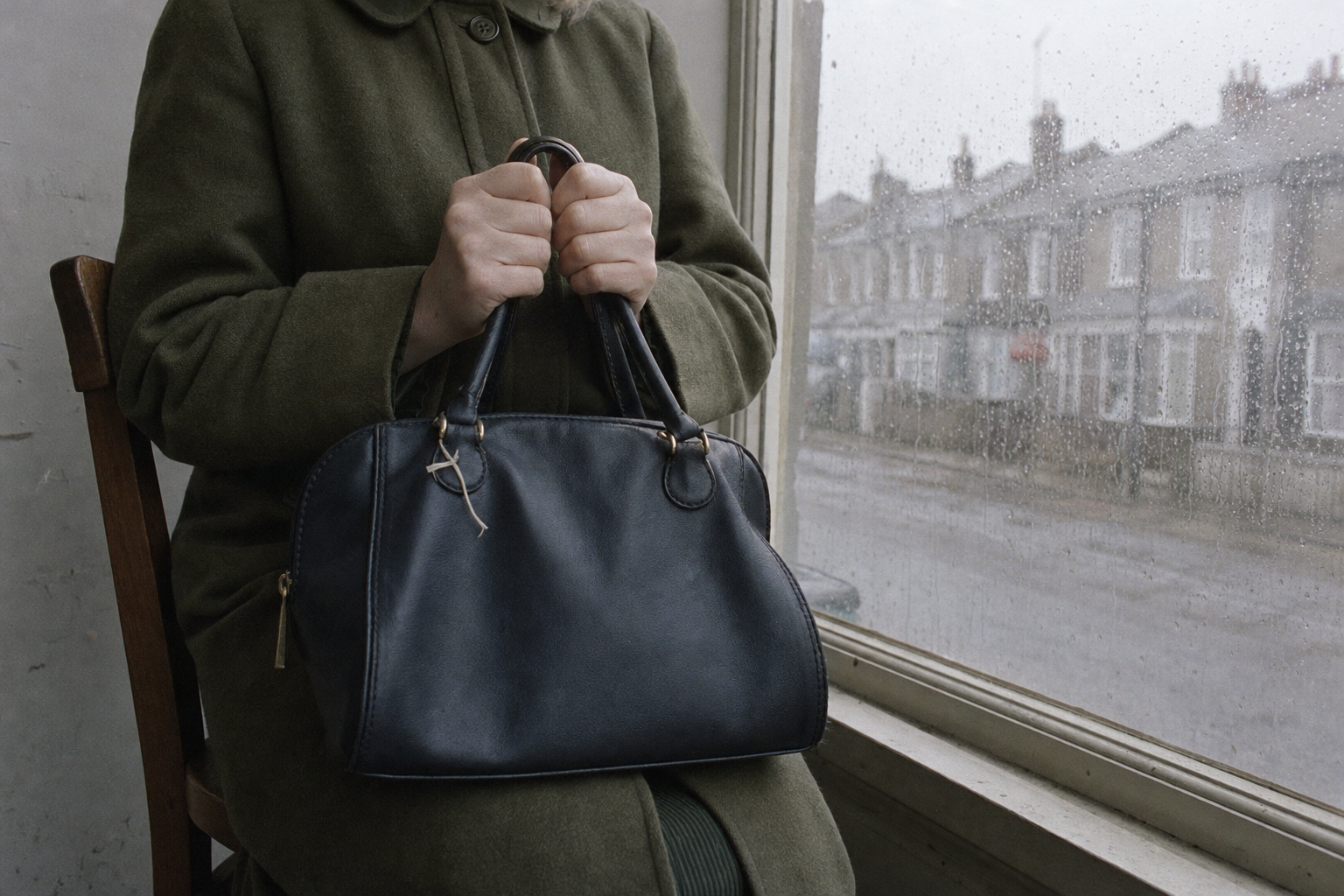
The body gets there first. Coats stay on. Bags stay on laps. People sit on the front edge of the chair, as if the appointment might be called off, and the sorry is said lightly, with a small laugh, to the floor or the window.
The apology for the time is the commonest. It tends to come from people whose hours have always belonged to somebody else first, who arrive having sorted the lift, the tea and everyone else's evening. They glance at the clock before they have said anything real.
The real sentence is nearly always shorter than the apology that comes before it.
The apology for crying comes early, and often before any crying. Eyes still dry, a hand goes towards the tissue box and a sorry goes with it. Others cry and apologise all the way through, to me, to the tissues, to the room.
There is also the apology for the pause, and the apology for the answer that took a moment to find. A few people fill every gap in the first ten minutes so that nobody has to wait on them.
The apology for it being silly is usually followed by twenty minutes of careful, serious description.
The one about not knowing where to start comes from people who have spent years being told to get organised and get to the point. They almost always know exactly where to start. They have rehearsed it in the car.
A good number mention, almost in passing, that the first message took several attempts. Every draft opened with sorry, it was deleted, and by the next draft it was back. If your own draft opens that way, it is in ordinary company.
In those first minutes I say very little. I let the sorry go by and wait for the sentence behind it, and then I ask for that one.
What they choose to apologise for tells me a good deal about where they learned to take up less room. The sorry for noise sounds like a child who was told to keep it down. The sorry for needing anything sounds like the easy one in a busy house. The sorry for the time sounds like a childhood run on other people's timetables.
Most do not notice they have done it. A few catch themselves halfway and say sorry for saying sorry.

Subscribe to our newsletter