When the label becomes the whole person
Words like narcissist and gaslighting can bring real relief. They can also close the conversation, and leave everything you still carry for them untouched.

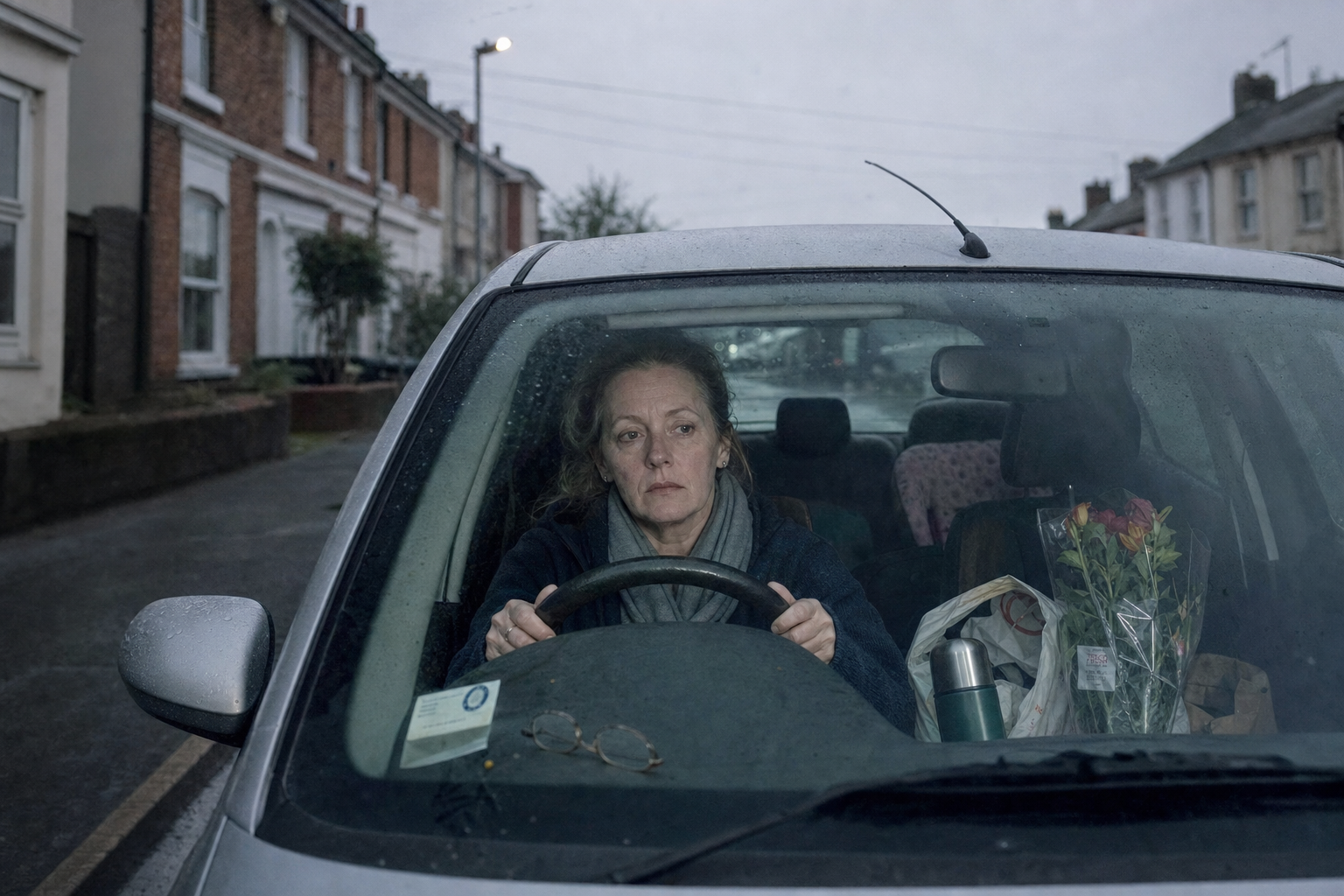
Someone posts that their mother is a narcissist. Within the hour there are forty replies. The same word, a heart, and "you deserve better."
It lands as relief, and that deserves to be taken seriously. For years she has been left feeling wrong in her own kitchen, and now there is a word that says it was never her. Plenty of people describe that moment as the first time they felt believed.
Experts quoted this summer on the rise of mental health content on social media tend to say two things at once. It has made psychology far easier to reach, for people who could never afford a therapist or wait two years for one. And the feed rewards whatever grabs attention, which is not always whatever is clinically careful. Both are true.
Watch how the comments work, though. Certainty gets rewarded. The reply that says "this is textbook" collects the hearts, and the reply that says "it might be more complicated" gets scrolled past. Nobody designs that on purpose. It is simply what happens when a feed is built to keep you looking.
There is a second reason the label spreads, and it is not about the internet at all. A story with a villain is easier to carry than a story without one. If he is a narcissist, your confusion has a shape. You were not weak, you were not slow, you were up against something with a name. That is a comfort, and it is easy to see why people hold onto it.
What a label does
The trouble starts one step later. A label stops describing a behaviour and starts describing a person. "He interrupts me and dismisses what I say" is something you can look at. "He is a narcissist" is a verdict. Verdicts close the file.
Narcissistic personality disorder is a clinical diagnosis. It takes training, time and a long look at a pattern across a whole life. A short video cannot make it, and a worried group chat cannot either. Most of the people being named have never been assessed by anyone. They are difficult, or hurt, or frightened, or in some cases unkind, and unkind is still not a diagnosis. Even people who assess for it professionally are careful, because the same behaviours can come from grief, fear, drink or plain exhaustion, and each of those needs a different response.
The same thing happens to other words. Gaslighting once meant a sustained effort to make someone doubt their own reality. It now covers a partner who disagreed about what time the film started. When a word covers everything, it stops pointing at anything, and the people who went through the real thing find their word has gone soft.
There is a cost for the person being labelled too, though it is the smaller one. A label says what someone is. It leaves no room for what they did on a particular Tuesday, or what they did last year, or what they might be willing to look at if somebody asked them differently. Some people in your life will never look. Some would have, if they had not been filed first.
Nobody is saying the behaviour was fine. If someone belittles you, controls the money or rewrites what was said last night, that is a problem whatever you call it, and walking away does not need a diagnosis to be justified. You can be right about them and still be stuck, and the word rarely helps with the second half.
What the word often does is quieter. It ends the conversation, including the one in your own head. Once he is a narcissist, you no longer have to wonder what happened between you, what you gave back, what you still feel when his name comes up. The file is shut. The feelings are not. They go on being felt, only now without a conversation to hold them, which is why so many people say they feel certain and oddly unsettled at the same time.
What the label cannot reach
The word explains the other person. It says nothing about what you now carry for them. People who have been properly hurt rarely stop at the hurt. It turns up as a jaw that sets when a certain name appears, and as a temper that lands on the wrong people at home, usually the ones who did nothing.
None of that is a flaw in you. It is what an unfinished thing does. A group chat can agree with you for years and the unfinished thing will still be there when the replies stop.
Some people say the word and feel strangely flat afterwards. They got what they came for, a name and a crowd who agreed, and the relief lasted a day. By the weekend the same knot is back in the same place, because the knot was never made of vocabulary.
Some of it is older than the person you are describing. A parent who left you feeling wrong in your own kitchen is not only someone you can describe now. They are where you learned the template. So when a raised voice at forty-three makes you go small and quiet, that is the past still running the present, and no label for them reaches it.
I work with people who arrive with the word already in hand. They have read the books and watched the videos, and the word is often accurate. What they want to know is why they still go quiet at the dinner table, and why a text from one particular person can ruin an afternoon. That question has an answer. It sits in the person asking, not in the file on the other one.
Seeing a person clearly does not mean forgiving them, and nobody is asking you to. You can decide someone behaved badly and still want to know why their name lands in your body the way it does. Those are two separate pieces of work, and only one of them is yours to do.
Keep the word if it helps you. Just do not let it be where the conversation ends.

Subscribe to our newsletter