Why you go quiet in the moment and find the words on the way home
Someone at work is unfair, you say nothing, and the right words arrive on the drive home. Why the freeze is not a lack of confidence, and what changes it.

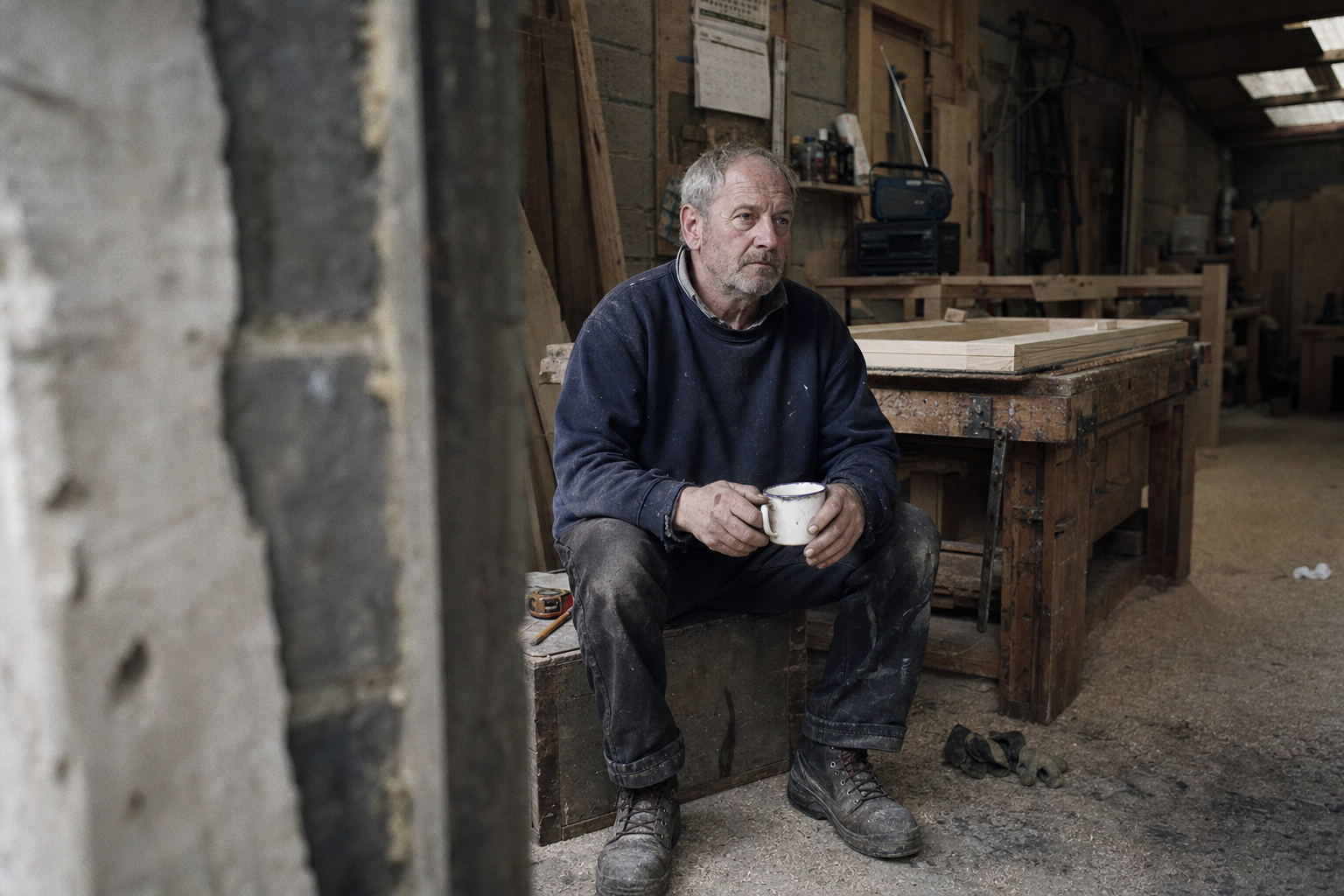
Someone at work says something unfair, and you say nothing.
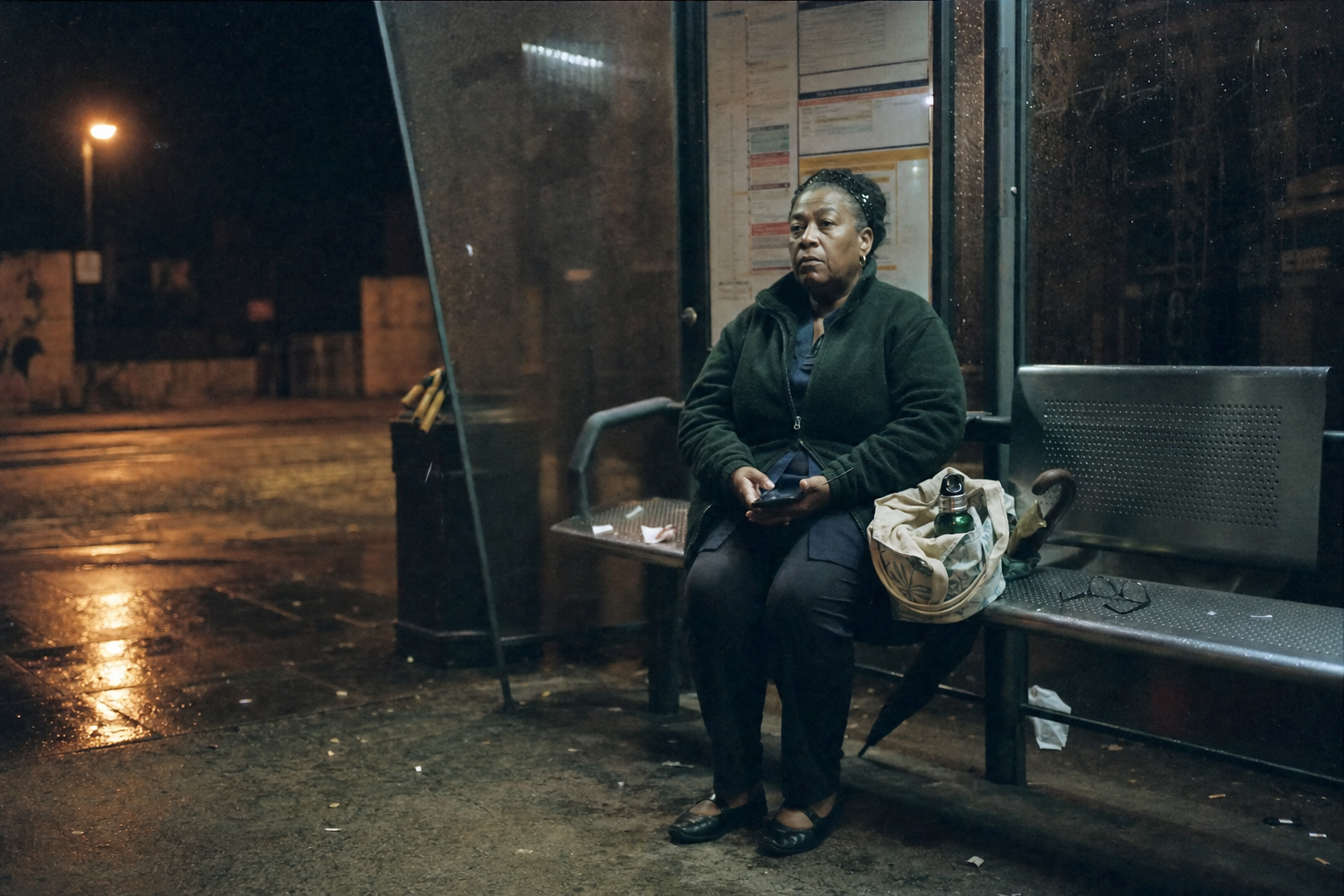
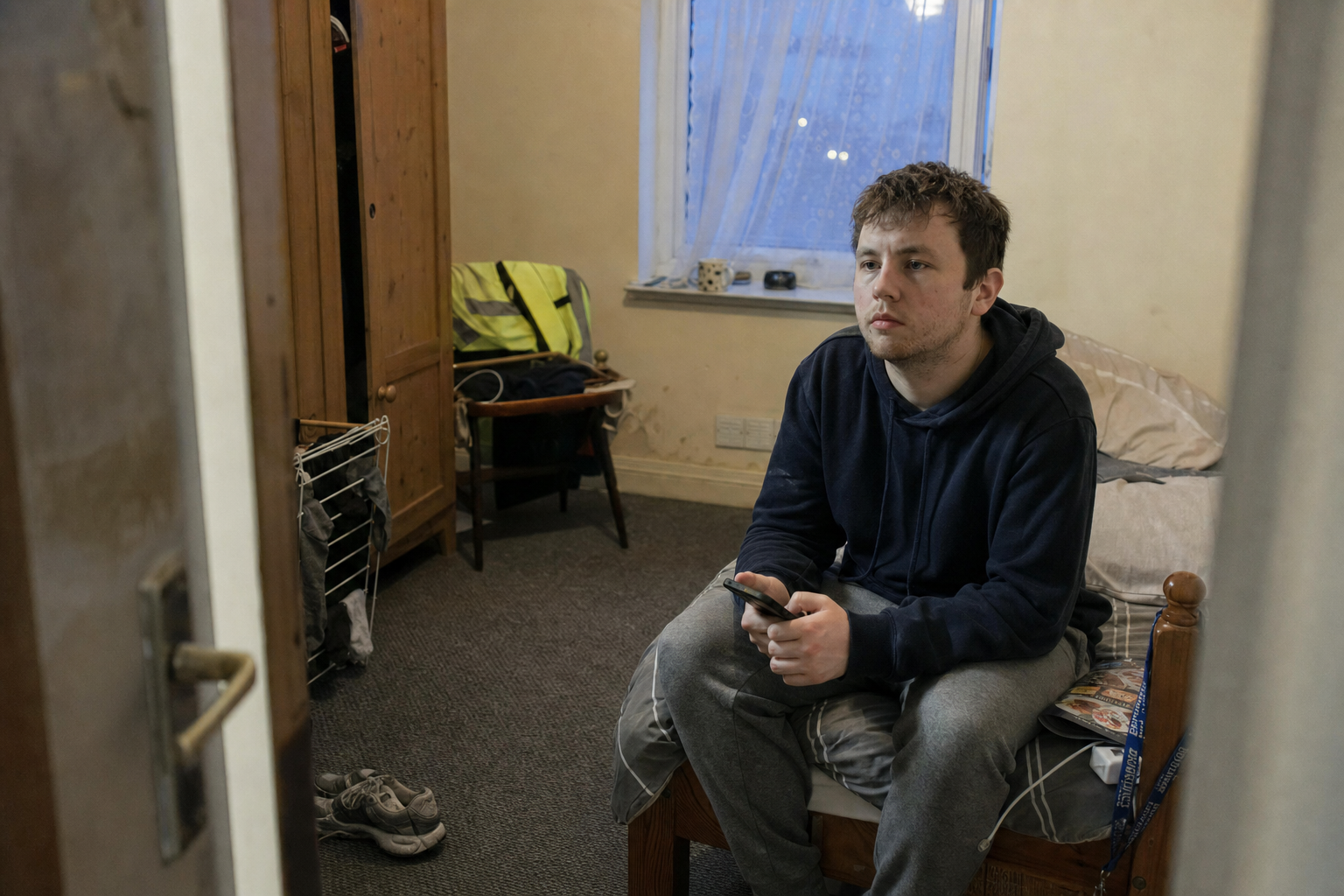
It might be a supervisor pinning a mistake on you in front of the others. A colleague taking the credit for the rota you sorted out. A manager who talks over you every time you start a sentence. The words are somewhere nearby. They just do not arrive.
Your face goes warm. Your mouth goes a little dry. You nod, or half laugh, or say "No, that's fine," and the moment closes over.
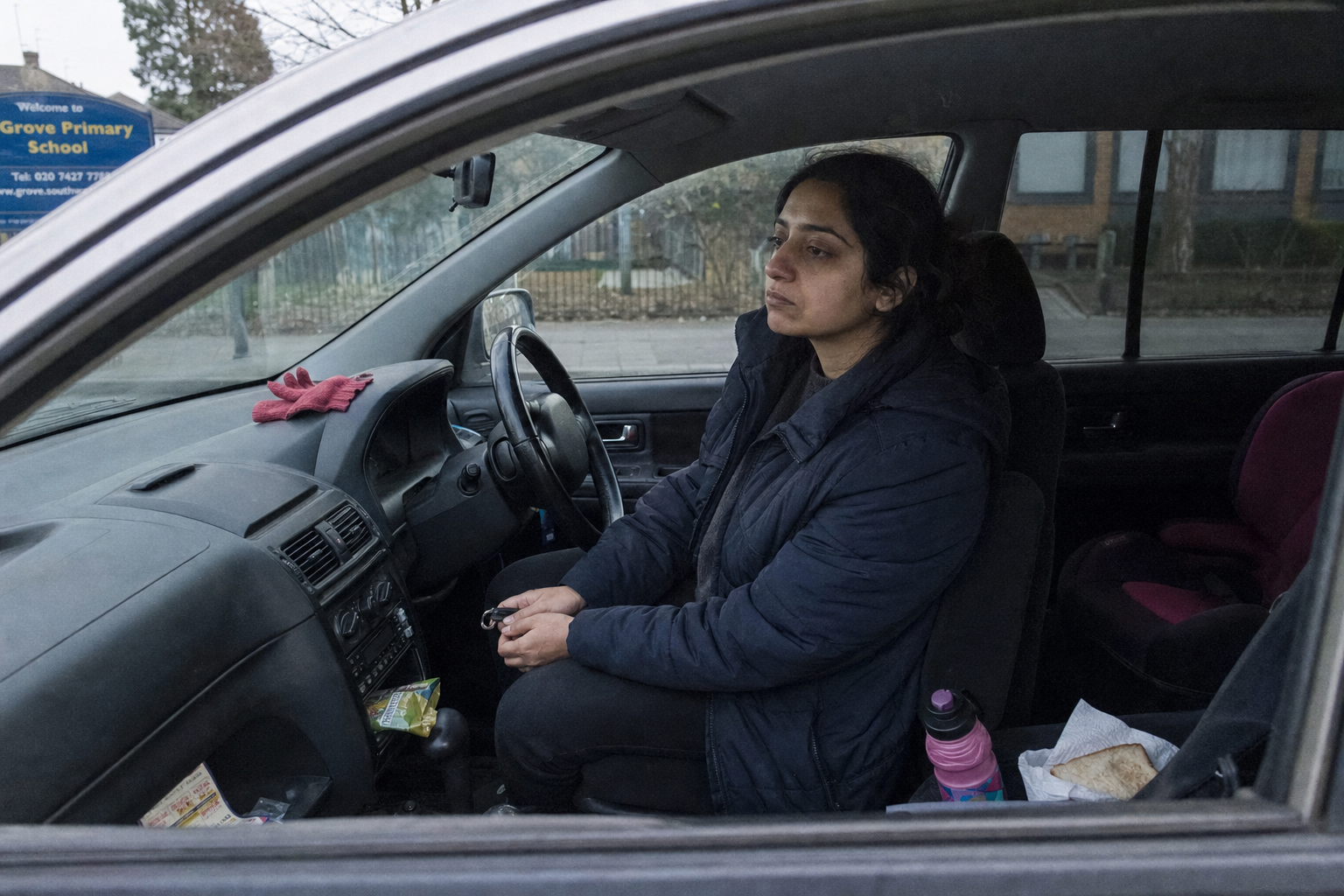
Then, forty minutes later, walking back to the car or standing at the kitchen sink, the words turn up. All of them. Clear, calm, perfectly pitched. You say them out loud to the windscreen, and you win.
It is a strange kind of victory. It never reaches the person it was meant for.
This is far more common than people let on. Close to half of UK workers say they have had some kind of conflict at work in the past year, and a good share of it involves the person they answer to. Very little of it gets said to that person's face. Most of it gets said in the car.
The usual explanation is simple. You are not assertive enough. You need more confidence. Someone suggests a course, or a phrase to keep in your back pocket for next time. "I'd like to finish my point." "Can I just come back on that?"
Scripts are not useless. For some people, having the words ready is enough. But if you have tried them, you probably know what happens. You walk into the next difficult moment with the line memorised, and when the moment comes, the line has gone too. It went wherever the others went.
That is the clue worth paying attention to.
If the problem were a shortage of words, they would not turn up so reliably forty minutes later. You have the words. What you do not have, in that moment, is access to them.
You do not lack the words. You lose them at the exact moment you need them, and get them back the moment it is safe.
What happens in that half second is older than the job. When someone with some power over you turns sharp, part of you reads it the way it learned to read sharpness a long time ago. Not as a disagreement to be had. As a threat to be got through. And the oldest way to get through a threat you cannot fight and cannot leave is to go still and quiet until it passes.
Stillness keeps things from getting worse. It keeps the voice down and the face neutral. For a child in a house where answering back made everything worse, it was a sensible move. Often the only one available.
When the freeze at work is strong, it is usually because something back then taught the body that raised voices were dangerous, and nothing has updated it since.
The body does not check whether you are now forty-two, with a trade and a mortgage and every right to disagree. It checks whether the tone sounds like the old one. If it does, the freeze runs. The part of you that knows exactly what to say is simply taken offline until the danger has gone.
Which is why the words come back in the car. The danger has gone.
None of this is weakness, and none of it is a flaw in your character. It is a very efficient piece of protection that has outlived the situation it was built for, and it is still doing its job with total commitment.
It also explains why this happens to people who are perfectly outspoken elsewhere. You might argue happily with your brother about football, or give a rude customer short shrift on behalf of a junior. The freeze is not about confidence in general. It is tied to one particular kind of moment: someone above you, or someone whose approval you rely on, going cold.
The silence is not free. The first cost is the replay. The conversation you did not have gets had over and over, at the kettle, in the shower, replaying it at two in the morning with a sharper line each time. Being right in your own head is tiring, and it does not stop.
The second cost usually lands on somebody who had nothing to do with it. What does not get said at work still has to go somewhere, and it tends to come out at home. The partner who asks one question too many. The teenager who leaves a plate on the side.
What stays unsaid at nine in the morning often gets shouted at seven in the evening, at the wrong person.
A lot of people who describe themselves as having a short fuse at home are, underneath it, people who never say a word at work. The temper and the silence are the same pattern, split across two buildings.
The third cost is quieter. Over time you stop putting yourself forward. You stop suggesting the better way of doing the job. You decide you are just not the type who speaks up, and you build a working life around that decision without ever quite noticing you made it.
When I work with people who freeze like this, the aim is never a better script. It is to find where the freeze was first learned and change the response at that level, beneath the place where scripts are kept.
What shifts is smaller than people expect. You do not turn into someone who enjoys a row. The warmth in the face may still come. But the part of you that knows what to say stays in the room with you.
So when the supervisor pins the mistake on you, you hear yourself say, fairly evenly, "That wasn't me, that was the late shift." Nothing dramatic. No speech. The moment moves on, and so do you.
Home eases too, without anyone quite knowing why. The plate on the side is just a plate. The question at the door is just a question. There is more patience in the evening, because none of it is being spent carrying the morning around.
You notice the difference later that day, on the way home.
The car is quiet.

Subscribe to our newsletter