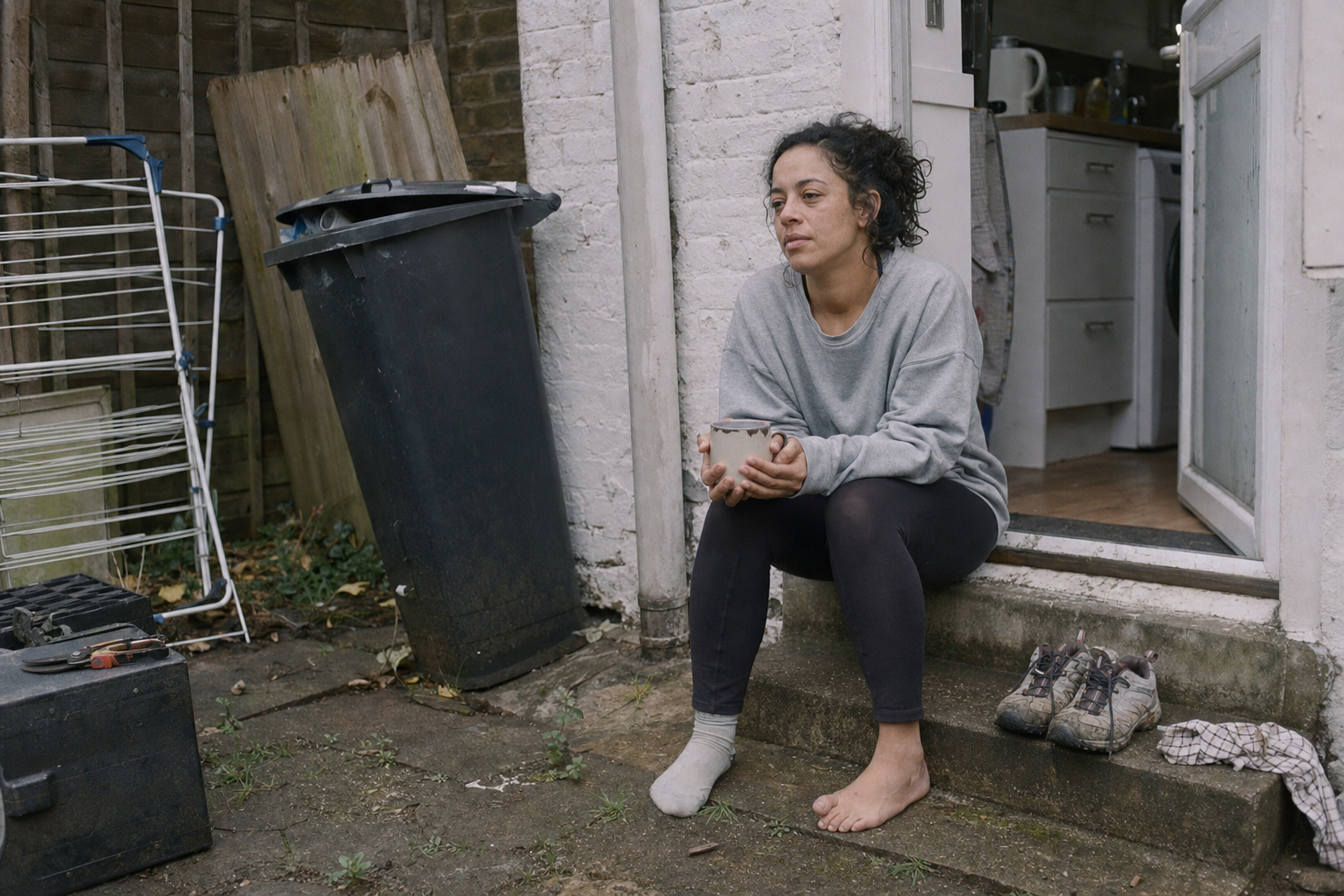
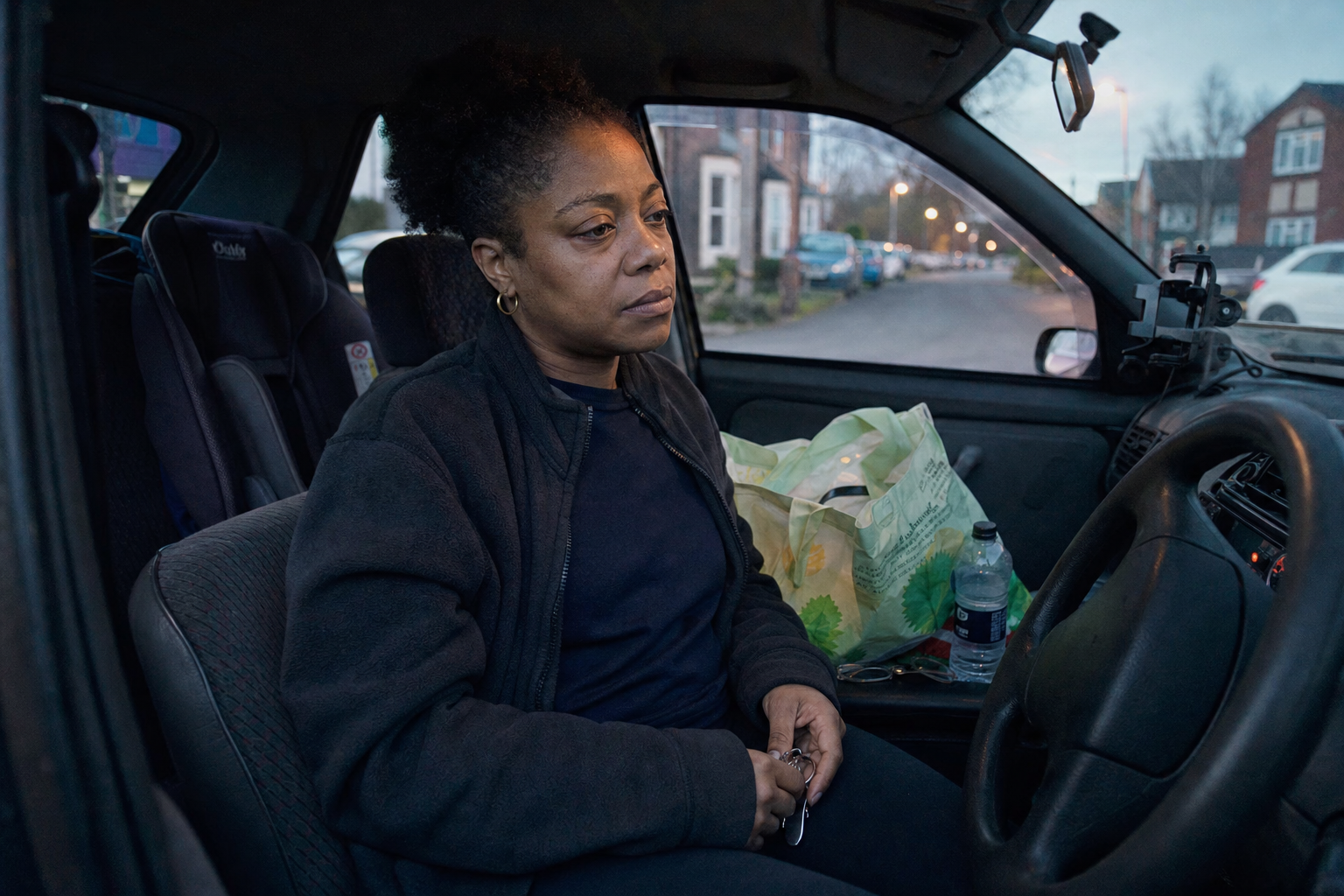
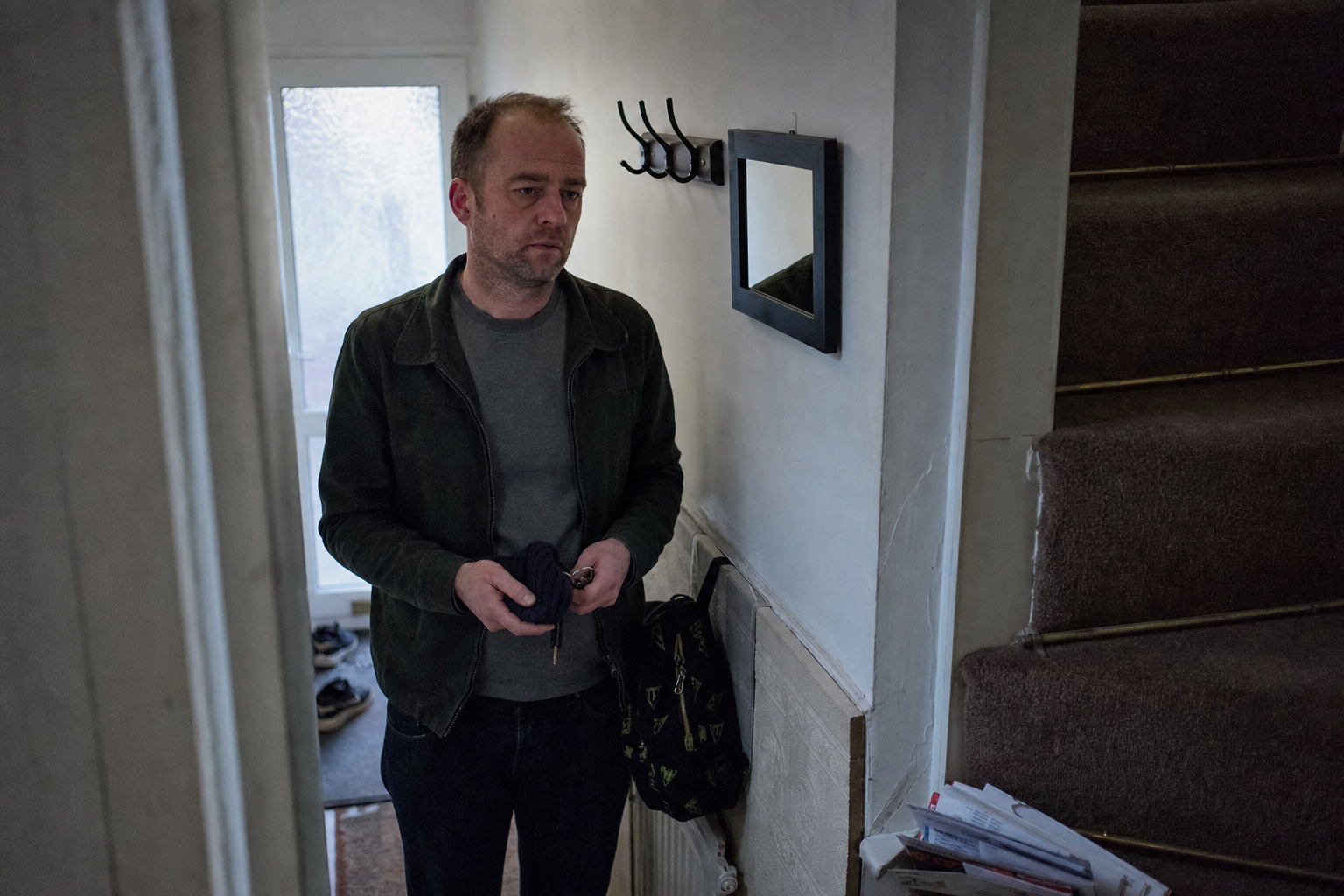
Everyone is reachable now, and nobody picks up
Not answering is often the sensible choice. What the habit quietly costs you is the one ordinary form of contact you never get the chance to draft first.

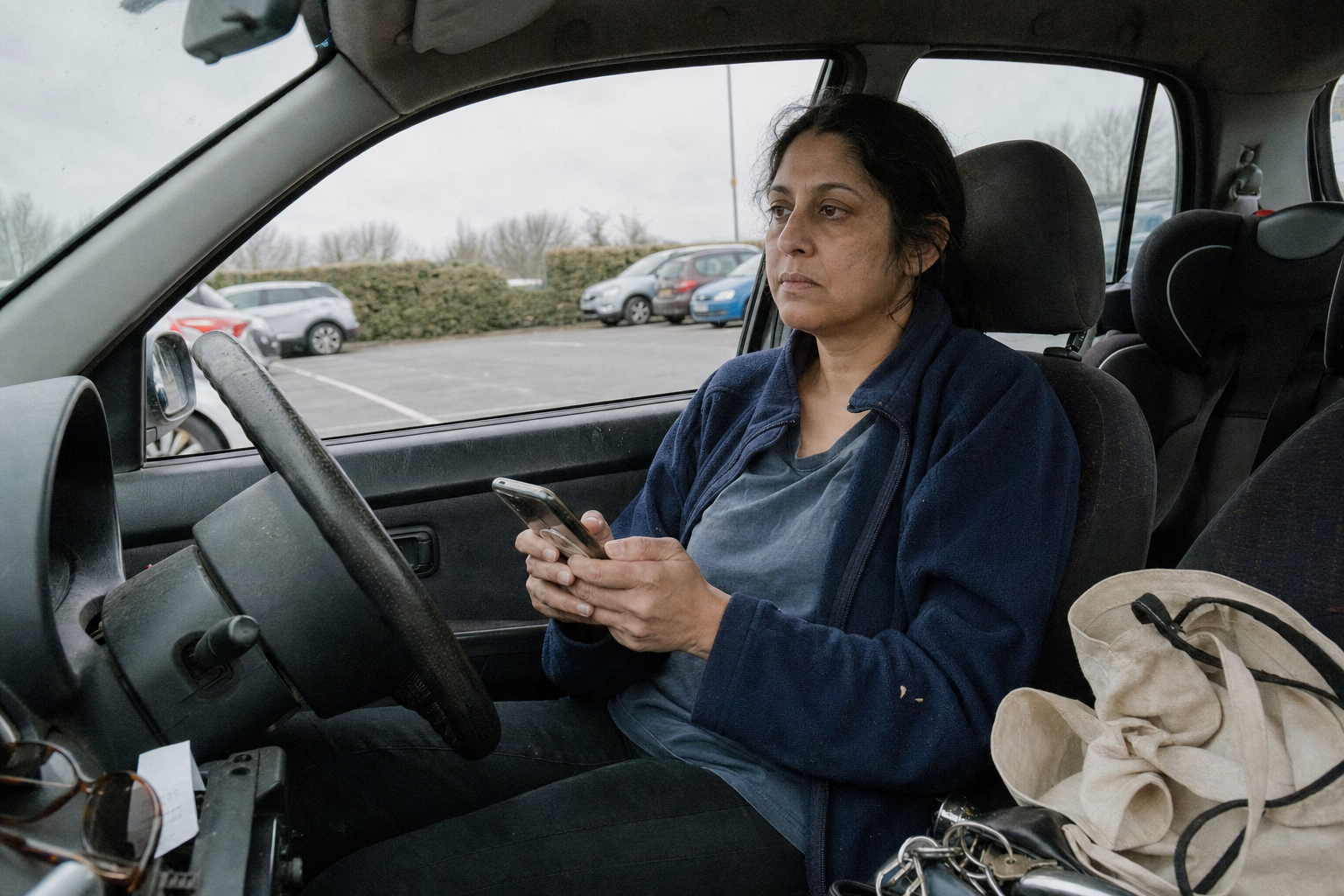
Forty-three per cent of people aged eighteen to twenty-four say an ordinary phone call is stressful. One in five never answer one at all. More than half keep the phone on silent permanently, so the question of answering does not really come up.
The usual explanation is generational. They grew up typing, so they type. The call is old technology and it is going the way old technology goes.
That reading is tidy. It is also mostly wrong.
Start with what the shift gets right, because a good deal of it is right. A message does not ask two people to be free in the same minute. You can reply at lunch, or at eleven at night, without holding anyone up and without putting yourself on somebody else's clock. You can read it back before you send it. For anyone who has ever put a phone down and replayed one clumsy sentence for an hour, choosing the form you can check first is not weakness. It is sense.
The volume is real as well. Most people now carry more open lines than any generation before them. Work, family, three group chats, the school one, the bloke about the car. If all of that arrived as a ringing phone the day would be unusable. Sorting contact into something you can answer in your own time is an adaptation, not a decline.
It is worth saying that the older habit was not virtue either. People rang because there was nothing else to ring with. Nobody picked up the receiver on its merits.
And the anxiety itself is not fragility. For some people it sits inside something larger and genuinely clinical, and it does not improve by being told that their parents managed fine. That deserves proper help rather than a remark about resilience.
So the shift is not silly. It is incomplete, and the missing part is the one that costs something.
A call is the last ordinary form of contact you cannot edit.
Everything else hands you a draft. You type, you look at it, you delete the first go, you soften the line that reads badly, you choose the moment to send. Voice notes get recorded twice. Emails sit in the box until the wording sits right. Even a message that lands wrong can be followed by a second one that tidies it.
A call gives you none of that. You speak without knowing what is coming, and you do it while somebody listens to you doing it. No draft. No second go. No pause that does not become audible.
That is what is being avoided. Not the telephone. Being unrehearsed in front of another person.
Which is why the dread does not lift once the call starts. You are talking and standing slightly outside it at the same time, listening to how you sound, noticing the word you picked, checking whether the other end has gone quiet. Two jobs at once, and only one of them is the conversation.
Avoidance then does what avoidance always does. It works instantly, and it charges interest.
Let it ring once and the relief is immediate. Let it ring for a year and the call you have not made carries a weight the actual call could never justify. The fear is never contradicted, because it is never given the chance. So it stands, and quietly grows.
It does not stay about the call, either. Somewhere around the second month it stops being a thing you have not done and turns into a fact about what you are like. Someone who leaves things. Someone who is bad at this. That is a far heavier thing to carry than a two minute conversation.
By then the picking up and the putting down is barely a decision. Your hand has made it before you have.
There is often a history underneath, and it is rarely about phones.
For some people the ring was attached to something bad long before they were old enough to argue with it. A parent's face changing halfway through a sentence. A hallway phone that only went at the wrong hour. The handset is different now and the house is different, and an old alarm still fires in the present.
What gets lost in the swap is easy to miss, because nothing dramatic goes missing. You still know what everyone is doing. You still get the news.
A voice carries what a message leaves out. The hesitation before someone says they are fine. The half-laugh that does not match the sentence. None of that survives being typed. It only exists in the few minutes where somebody is heard by another person in real time.
Enough gets typed that everybody stays informed and nobody is quite known. You can go a long stretch like that without noticing, because nothing has broken. The contact is constant. It is just thinner than it looks.
The people who ring anyway notice it before you do. A parent who leaves a voicemail and gets a text back. A friend who stops trying after the third go and says it in the group chat with everyone else instead. Nobody mentions it. The contact just settles at whatever level costs the least, and it stays there.
I work with people who have not answered a call from one particular person in two years. Not out of bad feeling. They meant to ring back on the day, the day went, and every week since has added to the size of it. Ordinary people, mostly, who would tell you they are perfectly fine in every other part of their life.
None of this is an argument for answering everything. Plenty of calls do not need to be calls, and a message that saves twenty minutes saves twenty minutes.
It is worth knowing which one you are doing, though. There is a difference between choosing the form that suits the thing being said, and only ever choosing the form where you cannot be caught out.
The first is preference. The second narrows, slowly, until the only conversations left are the ones you can write down first.
Picking up once does not fix anything. It tells you what the call actually weighed, which is almost never what you had been carrying.

Subscribe to our newsletter