How to stop panic attacks: what to do in the moment and on the quiet days
Panic attacks peak within about ten minutes and most pass in 5 to 20. Two plain things shorten one, and the deeper work changes why the alarm goes off.

Breathe out for longer than you breathe in, and stay where you are. Those two things shorten a panic attack. Most are over in 5 to 20 minutes, and the peak usually comes within about ten.
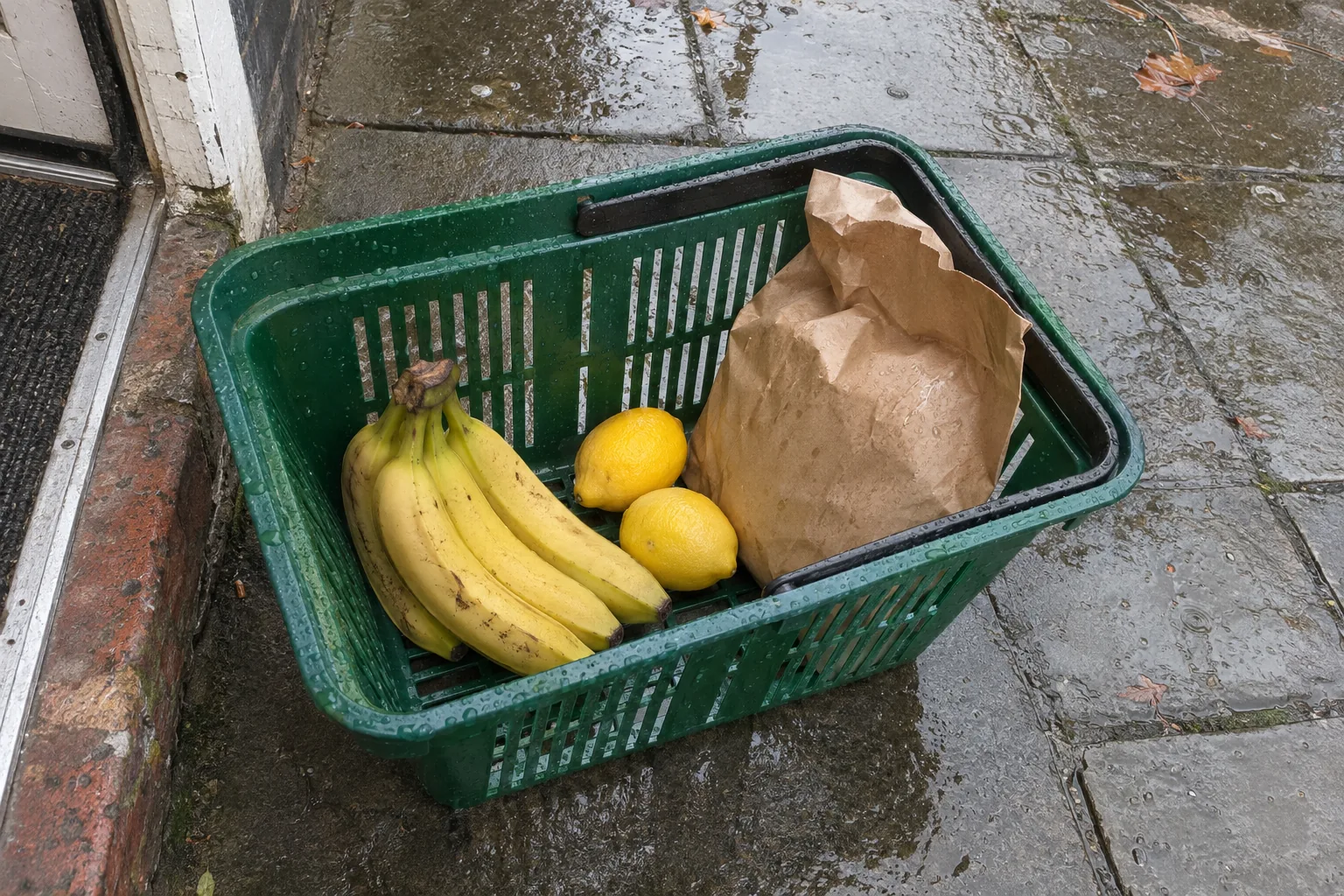
The first one tends to come somewhere you cannot leave. A supermarket queue, for instance.
Your heart goes from nothing to flat out in seconds, your breathing turns fast and shallow, your hands tingle, and you are sure something is badly wrong.
That is the body's alarm going off at full volume. Then the fear of the symptoms feeds the symptoms: the racing heart frightens you, the fright releases more adrenaline, and the heart goes faster. The alarm is loud, but it is built to peak and pass.
For the breath, count in for about four and out for about six, through the mouth, as if cooling soup. Do not gulp air in. The long out-breath is what slows the heart and settles the body, so give your attention to that half and let the in-breath look after itself.
Staying is harder. Every instinct says put the basket down and get out.
Fleeing confirms the alarm, and fighting the sensations keeps it lit.
Stand where you are, feel your feet, let the wave crest, and it comes down.
Leaving teaches the body the place was dangerous. Staying shows it the wave comes down by itself.
Most people tell me the first time they stayed, it was shorter than any of the ones they ran from. They expected the opposite.
Are panic attacks dangerous
It feels like dying. The attack itself is not dangerous: the body runs hard for a few minutes and then stops. A first-ever attack with chest pain is worth getting checked by a doctor, and beyond that my work is with the response itself.
What does the damage is the planning. Most people I see have started to arrange the week around not being caught out: the shop at a quiet hour, the aisle seat, the long way round to avoid a queue. Every one of them is a reasonable choice.
How to calm an anxiety attack at night
A night attack wakes you already in alarm, with your heart going before you know where you are.
The same out-breath works. Put both feet flat on the floor, turn the light on and sit up.
I hear the same thing most weeks: people lie rigid in the dark, listening to their heart and waiting for the next wave. Light and a floor under your feet tell the body where it is. Once it has passed, sit for a few minutes before you lie down again.
Learn the breath on a calm day. Five minutes in a chair, in for four, out for six, with nothing wrong.
These two things do their work on the day. They do not change why the alarm goes off. What people describe is attacks that get shorter while the dread of the next one stays, and the week stays small.
What I do in the room
When you come to see me, I take a history first. I ask when the first attack came, what else was happening that month, and whether the alarm had gone off before. I work with what you already remember, and this comes up most weeks: often the supermarket was a repeat, and the first time sits years back.
With hypnotherapy I work on the response itself, below conscious thinking, where willpower has little say. I teach the body a different first move when it senses a trigger, so the alarm has less to run on.
Each plan to avoid an attack makes sense. Each one also teaches the body that the danger was real.
Where one specific memory still sets the alarm off, I use EMDR. It is a method where I move my hand from side to side, you follow it with your eyes and hold the memory in mind, and the memory settles until it stops firing as if it were happening now. I see people at my practice near Maidstone, Kent, and online, but EMDR is in person only.
Some settle faster than others, and I do not promise a pace. What most people notice first is the early flutter arriving and leaving again without taking the whole body with it.

Subscribe to our newsletter