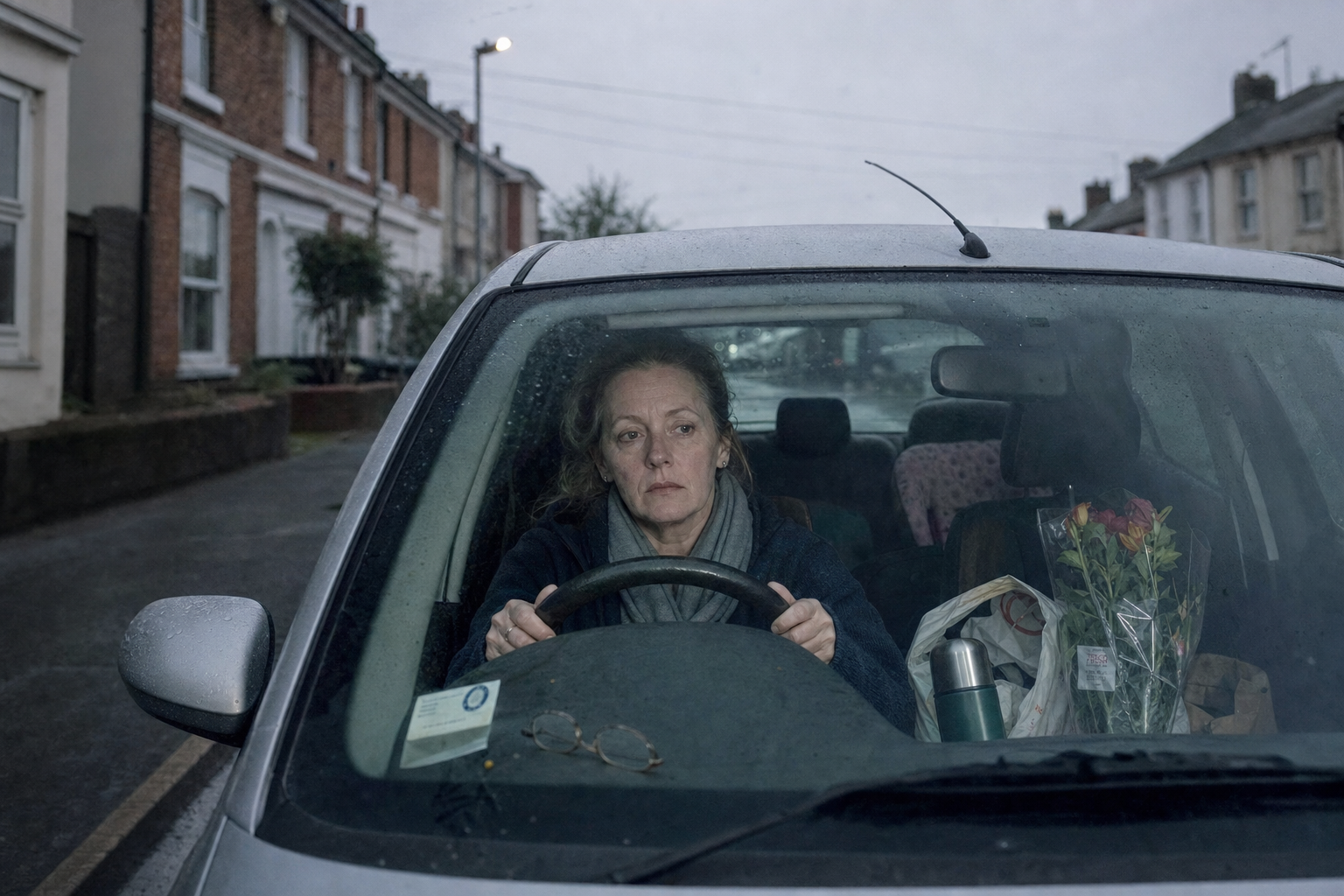
A panic attack can be sudden without coming from nowhere
Panic attacks feel like they come out of nowhere. The body has usually been reacting for a while first. What that changes, and why it eases the dread.

The way you tell it, there was no warning.
You were in the queue at the chemist, waiting to pick up a prescription for your mum. Nothing was wrong. You were not thinking about anything in particular. Then your heart was going so hard you could feel it in your throat, the shelves seemed to lean in slightly, and every part of you needed to be outside.
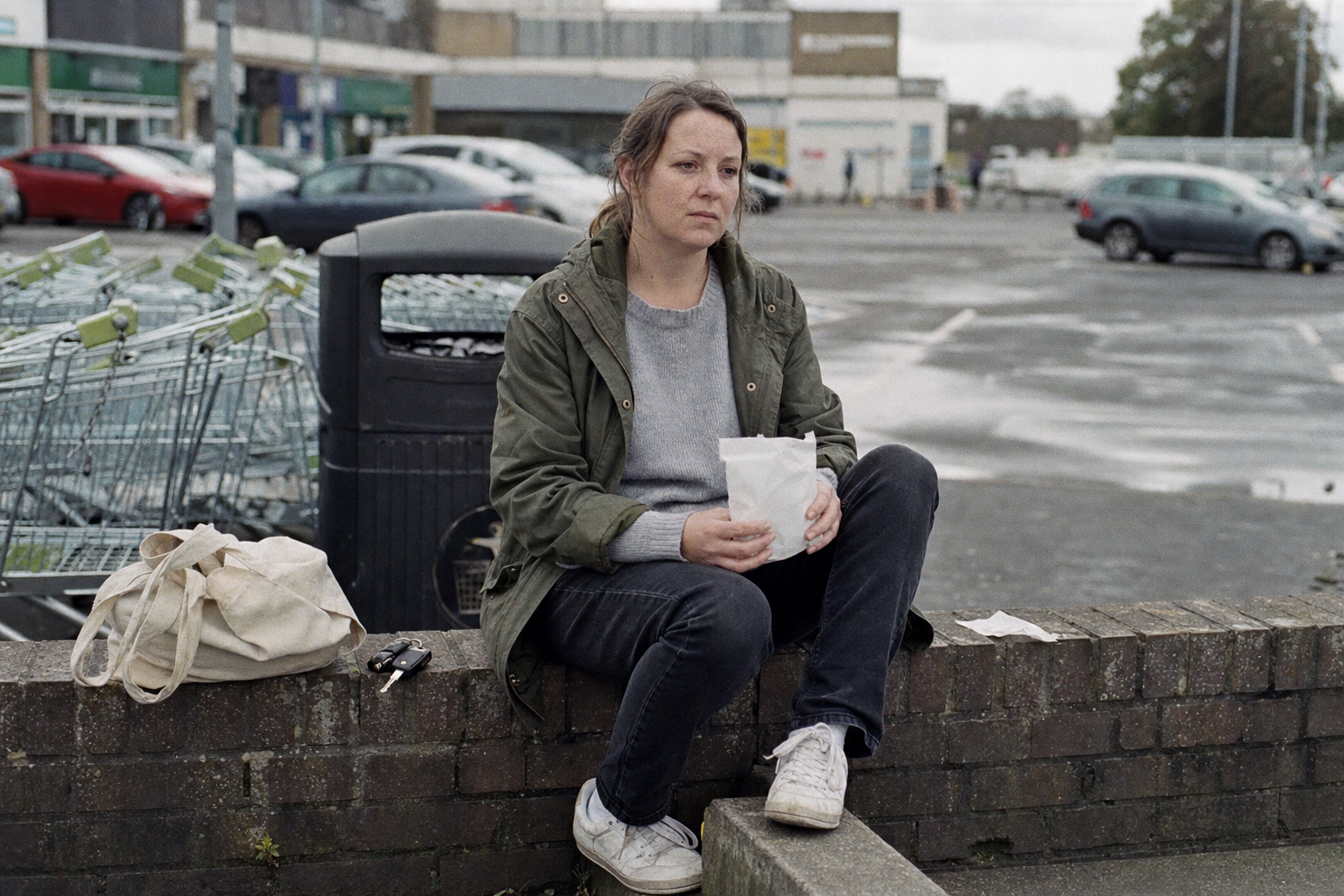
You left the basket on the floor and stood by the trolleys in the car park until your hands stopped shaking.
Later, when you tried to explain it, the phrase you kept coming back to was "out of nowhere". Your GP heard it. Your sister heard it. It is how most people describe their first panic attack, and a fair few of the ones after that.
It is an honest account of how it felt. As an explanation, it is where the trouble starts.
Why the phrase sticks
The belief makes sense. Panic does arrive fast. It can reach full strength in a few minutes, and it often turns up in the calmest moments, which is exactly what makes it so frightening. If it had happened during a row or on the motorway, you would at least have a reason. Happening in the chemist queue, on a Tuesday, it feels like proof that your body can turn on you at any time, for nothing.
A lot of the standard advice goes along with that. Panic gets described as a false alarm, a misfire, a glitch in the system. Breathe slowly, ride it out, remind yourself it cannot hurt you. Much of that is sound. Slow breathing does help. Knowing that a panic attack is not a heart attack takes some of the horror out of the next one.
But the misfire story leaves you with a body you cannot trust and no idea when it will go off again. So you start watching it.
You notice your heartbeat on the stairs. You check your pulse in bed. For some people the watching becomes a habit of its own, a twinge turning into a long search online at midnight. You stop going to that chemist, then the big supermarket, then anywhere with a long queue and no easy way out.
This fear of the fear usually does more damage over the following year than the first attack ever did. Your world gets smaller, one avoided place at a time, and every avoided place quietly confirms that the danger was real.
What was happening before you noticed
Researchers have looked closely at panic attacks that people described as arriving completely out of the blue. When they went back through recordings of heart rate, breathing and other body signals, they found the body had been shifting for up to an hour beforehand. Breathing patterns changed. The balance of gases in the blood changed. The person noticed none of it.
The attack felt sudden. The build-up was not.
That changes the question. It is no longer why your body did this for no reason. It becomes what your body had been reacting to for the last hour, and possibly the last few months, that you had not registered at all.
Often the answer is not one thing. It is load. Months of broken sleep. A parent who is ill. A job that keeps asking for a bit more. Coffee to get through the afternoon. When you have been running on empty for long enough, the system that keeps watch for danger gets more and more sensitive, until it needs very little to tip it over.
Sometimes the trigger is smaller and more specific than that. A smell. Strip lighting. A particular kind of waiting, standing still in a line with nothing to do, which happens to be the moment the mind stops holding everything down. Plenty of first attacks come not at the peak of the pressure but in the lull after it, on the first quiet afternoon in weeks.
The calm moment is rarely the cause. It is often just the first time the body had room to react.
None of this happens in conscious thought, which is why thinking harder rarely finds it. The wiring that decides something is dangerous sits beneath your reasoning, works faster than it, and keeps its own records. It does not need your agreement to decide that a queue under bright lights, with your mum's tablets to collect and three hours' sleep behind you, is too much.
What changes when it has a cause
Once panic has a history, it stops being random. That alone takes some of the dread out of it. A body reacting to something is very different from a body that misfires for no reason. One can be understood. The other can only be watched.
Understanding it rarely happens alone at the kitchen table, though. Most people cannot see their own build-up for the same reason they did not feel it in the queue. It is also why the loop of dreading the next attack so seldom breaks by willpower. You cannot out-think something that was never running on thought.
I work with people who have spent years treating their panic as a faulty wire. A nurse who stopped taking the lift at work. A lad who has not been to a match since the one where it started. A mum who does the weekly shop online so she never has to stand in a queue. The work is not about a better way to ride out the next attack. It looks for the point where the alarm was first set, and for what has kept it set since.
When that shifts, what people describe is quieter than they expect. The heart still speeds up on the stairs, because hearts do. It just stops meaning anything. The pulse check at night falls away without a decision being made. The queue becomes a queue again: slow, slightly too long, somewhere you stand and think about what to have for tea.
One day you go back to the same chemist. Same line, same lights, same prescription for your mum.
You wait your turn, pay, and walk out to the car.

Subscribe to our newsletter