Protecting your peace can quietly shrink your life
Protecting your peace began as useful permission. For many it has become a respectable way to avoid being seen. What it gets right, and what it misses.

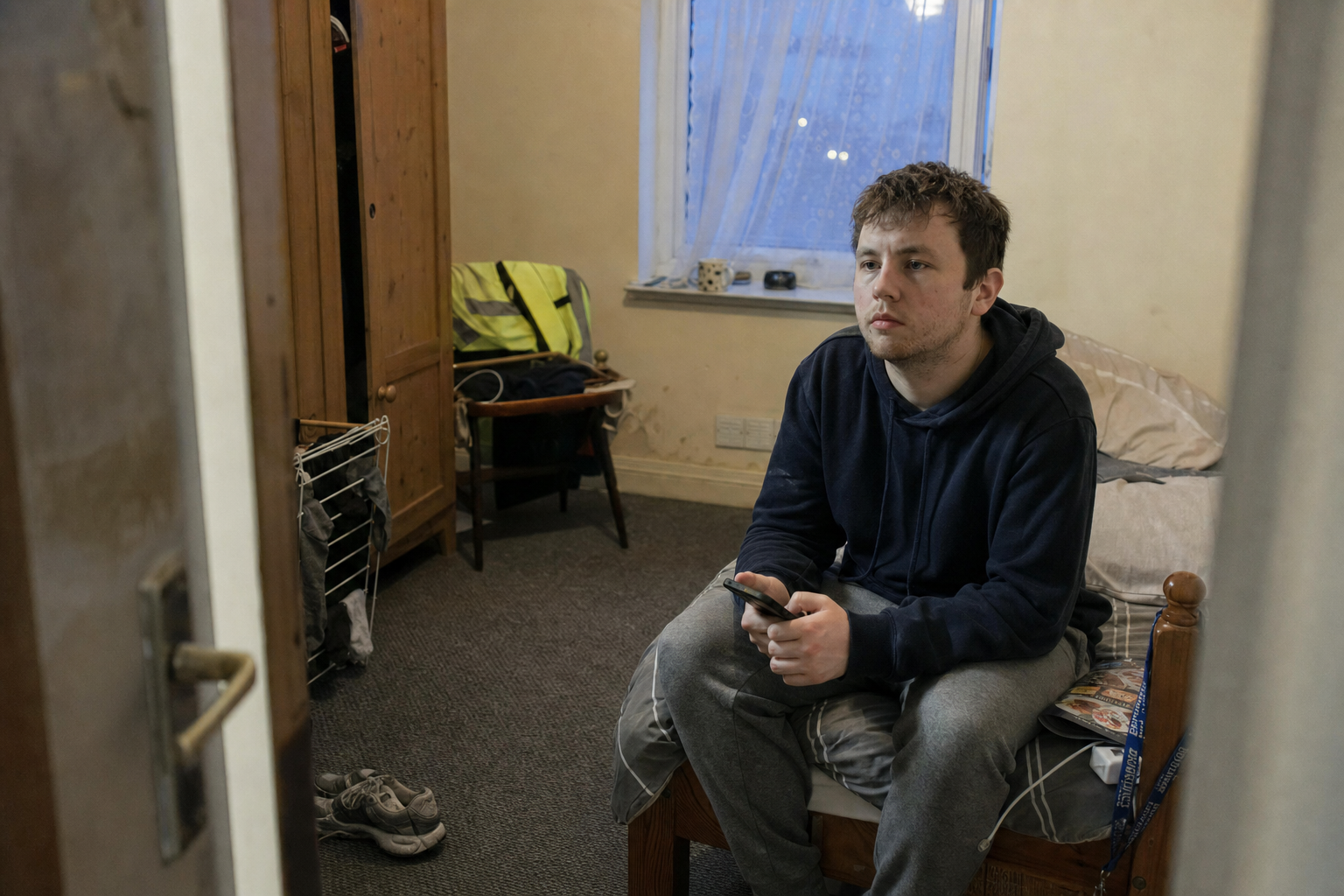
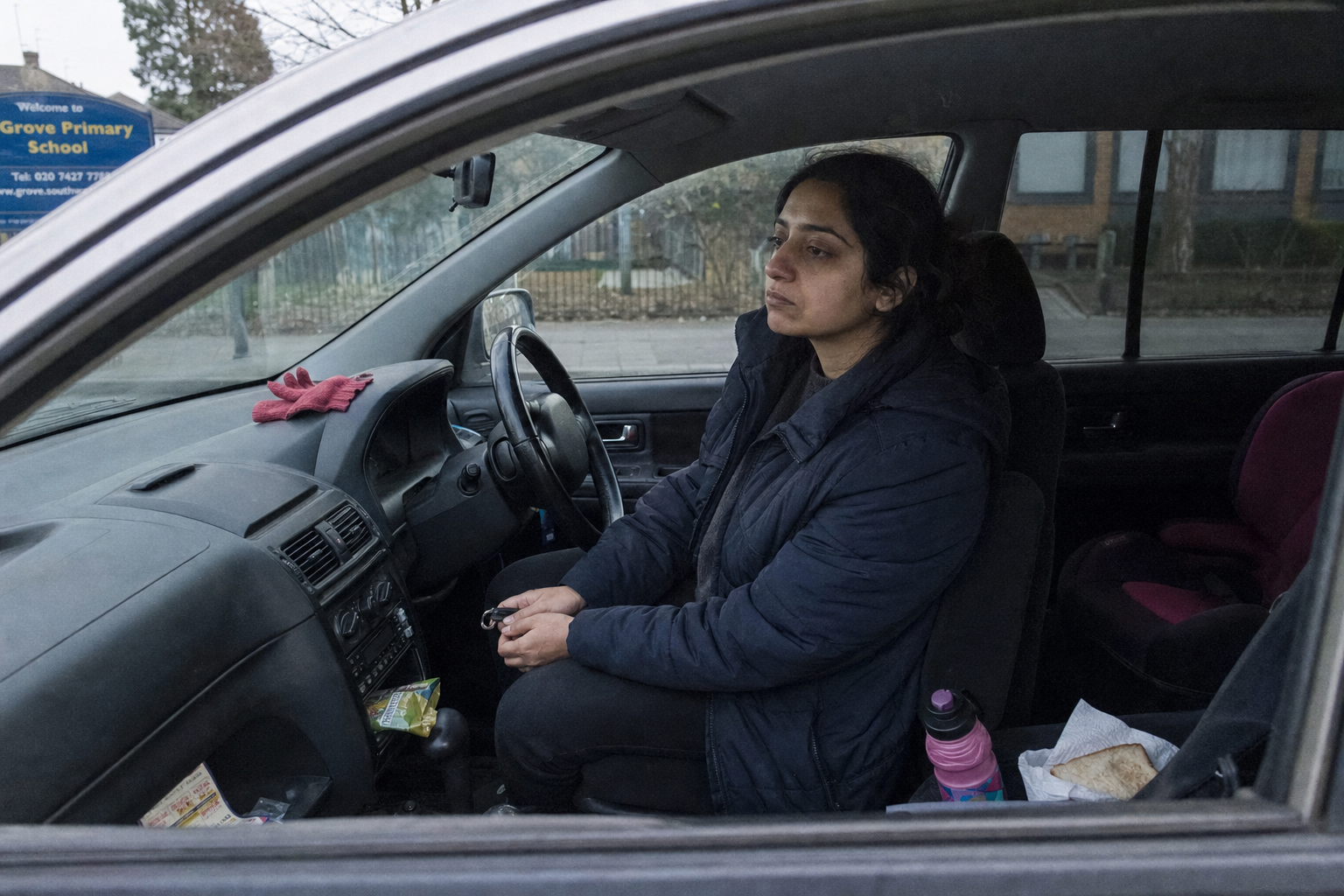
The birthday drinks you said you were too tired for. The group chat you muted in the spring and never unmuted. The friend you have been meaning to ring back since August. Each one, at the time, felt like the sensible choice.
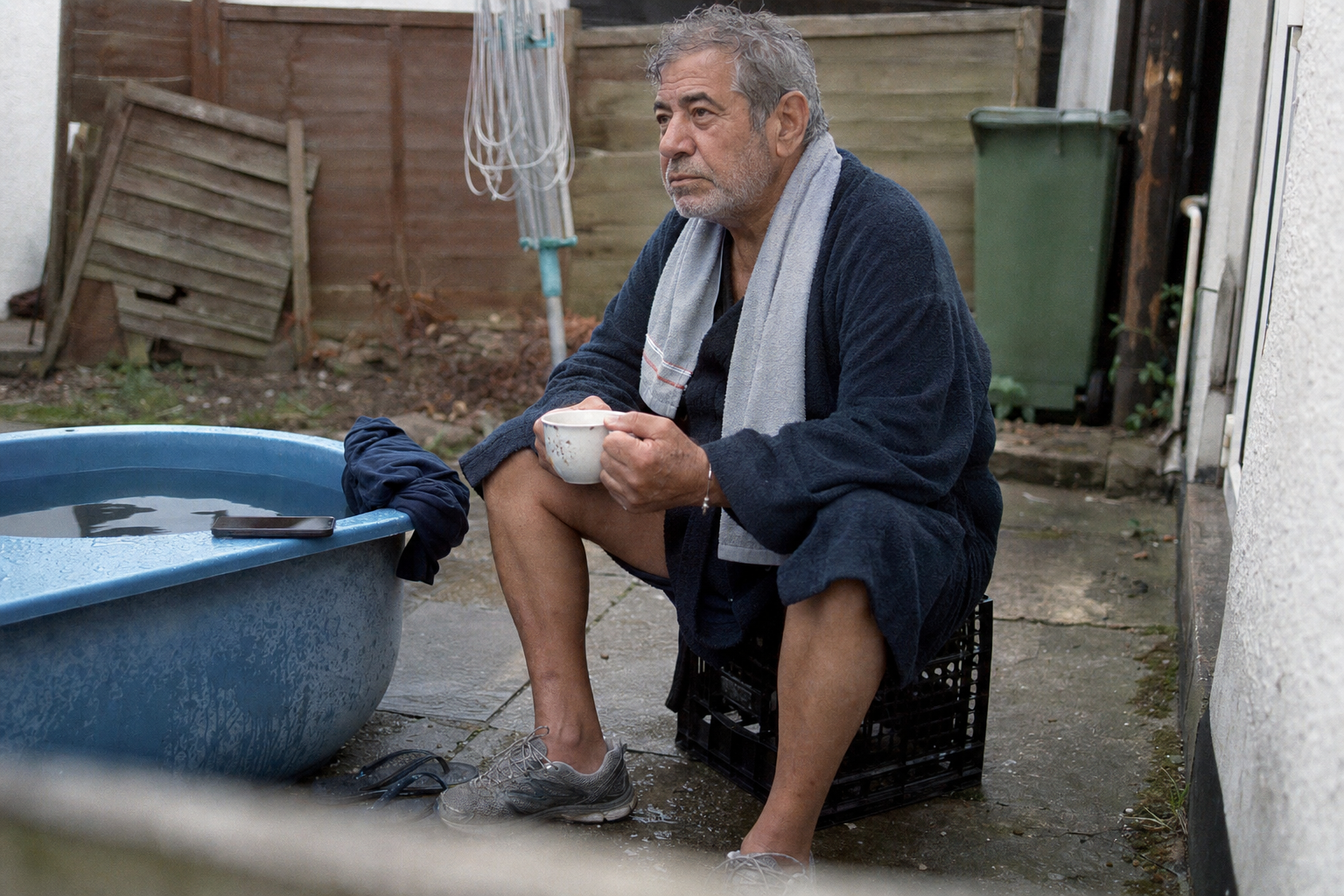
Nobody would call any of it a problem. You are not unhappy, exactly. You get home, the door shuts, and the evening is yours. No one needs anything from you. Nothing can go wrong.
There is a phrase for this now, and it arrived at just the right moment. You are protecting your peace.
It has become one of the most repeated lines in online mental health content, and it is easy to see why it spread. For a lot of people it was the first permission they had ever been given. Permission to leave the family gathering early. To stop answering the friend who only rings when she needs something. To turn down the extra shift without writing three paragraphs of apology first.
That permission matters. Plenty of people have spent years handing their time and attention to whoever asked loudest, and have paid for it with their health. If you are tired in a way rest no longer reaches, stepping back from things is plain sense. Some relationships really do cost more than they give, and walking away from them can be the healthiest thing you do all year.
So the idea is not wrong. The trouble is what it can quietly turn into.
Over the past year, psychologists have started saying out loud what many people had already noticed in their own lives. The phrase has become a very respectable way to avoid things. Loneliness figures keep landing hardest on the young, with around a third of people aged 16 to 29 in Britain saying they feel lonely at least some of the time. More people than ever describe themselves as protecting their peace. Fewer seem to have much of it.
Peace that depends on nothing ever happening is not peace. It is a holding position.
What the quiet is actually doing
Look closely at what gets cut, and a pattern often shows. It is rarely only the people who drain you. It is also the new colleague's leaving do, where you would not know anyone. The evening course you paid for and never started. The wedding where you would have to make conversation with strangers. The five-a-side, the book club, the second date.
These are not draining in the same way. They are exposing. Each of them carries a chance of being looked at, weighed up, found a bit awkward or a bit dull. The relief when you cancel is real, but it has less to do with getting your energy back than with not being seen.
That difference is easy to miss, because both feel almost identical from the inside. A drop in the chest. A loosening across the shoulders. The warm sense that you have looked after yourself. Your body does not separate saying no to something that harms you from saying no to something that frightens you. Both bring the same quick calm.
And the calm teaches. Every time a worry about being judged is answered by staying in, the worry learns that it was right. The next invitation feels a little heavier. The circle gets a little smaller. For a lot of people, this is how social anxiety grows without ever being named. It does not arrive as panic at a party. It arrives as a perfectly reasonable preference for nights in.
None of this makes you weak or dishonest. The part of you steering you away from those rooms is trying to keep you safe. It learned, often a long time ago, that being noticed could go badly. A classroom where one wrong answer followed you for a term. A family that picked at how you looked or spoke. One evening that went wrong in front of people. It is still working from that old information, and it has found a phrase that makes its job look like self-care.
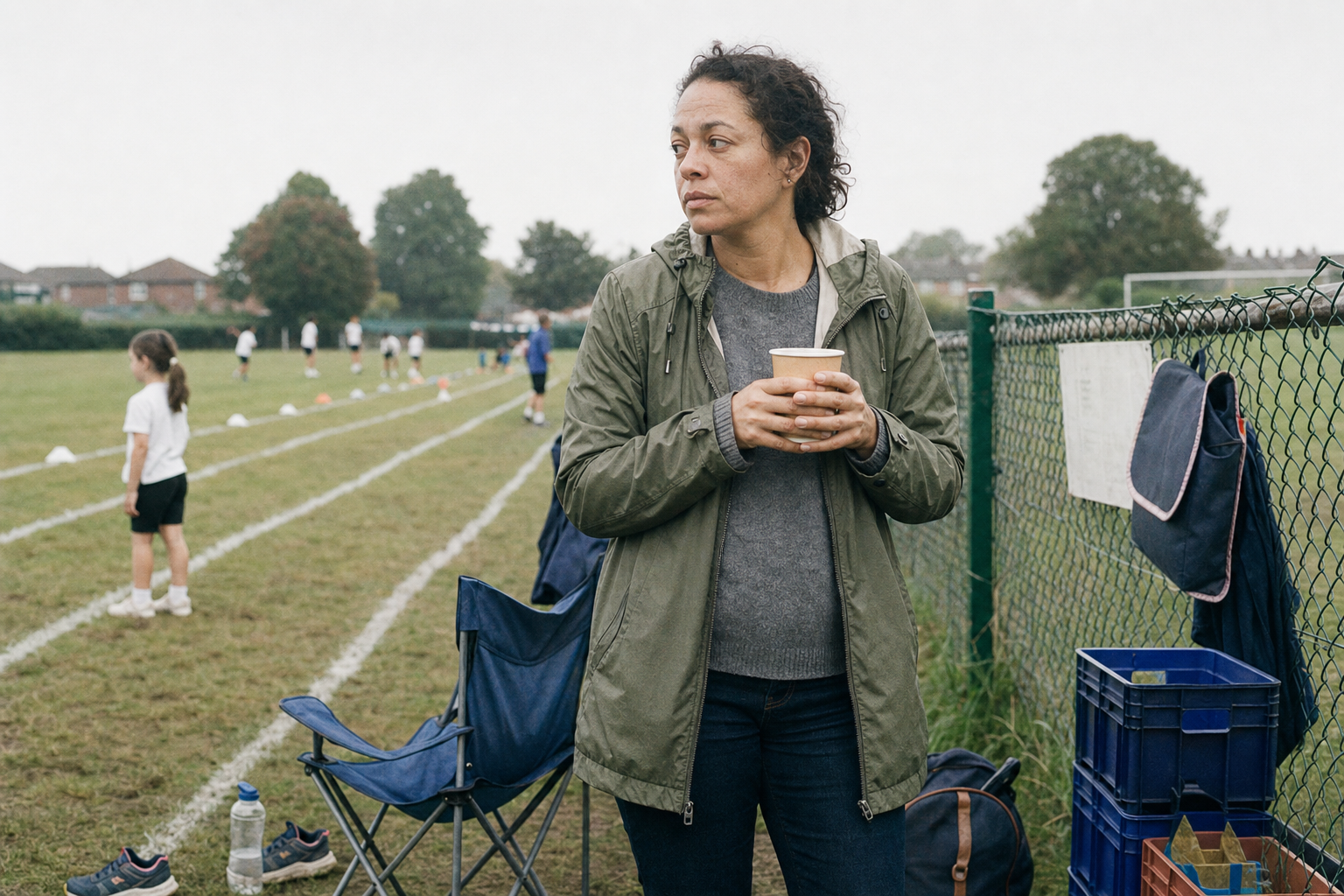
The people who come to this kind of work rarely seem anxious. I work with a warehouse supervisor in his twenties who has not been round to a friend's house in two years, a retired teacher who gave up her choir after one bad concert, a young mum who tells everyone she is a homebody and privately misses almost everyone she knows. Each of them would say they were protecting their peace. None of them felt peaceful.
A boundary and a retreat can look the same from the outside. The difference is what they are for. A boundary keeps something harmful out so the rest of your life can carry on. A retreat keeps you in, and the rest of your life slowly stops. The difference between a boundary and a wall has less to do with how firmly you hold it than with what it leaves room for.
There is one more version worth naming, because it hides well. Sometimes the person you cut off did hurt you, and distance was the right call. That stays true. But if thinking about them still tightens your jaw a year later, the quiet you have built may not be peace at all.
It may be resentment with nowhere to go, kept in a sealed room. Distance stops the arguments. It does not always stop the anger, which tends to leak out sideways instead, at the person in the queue, at the partner who asks one question too many.
When the older fear underneath loosens, the change does not look like becoming a different person. You do not suddenly want every invitation. Some evenings in are just evenings in, and they are good ones.
What changes is that saying no becomes a choice again rather than a reflex. You can go to the leaving do and find it mildly boring, which is a very ordinary thing to find. You can sit beside a stranger at a wedding and survive whatever they make of you. You can tell the friend you have missed her, and hear that she missed you too.
The peace itself changes character. It stops being something you have to guard at the door. It starts coming with you into rooms, instead of waiting for you at home.
The flat is just as quiet when you come back from somewhere. It simply feels different when you chose it.

Subscribe to our newsletter