The hunger that has nothing to do with food
Eating at the fridge when you are not hungry is rarely about food. It is a feeling looking for relief, and a habit that runs below choice.

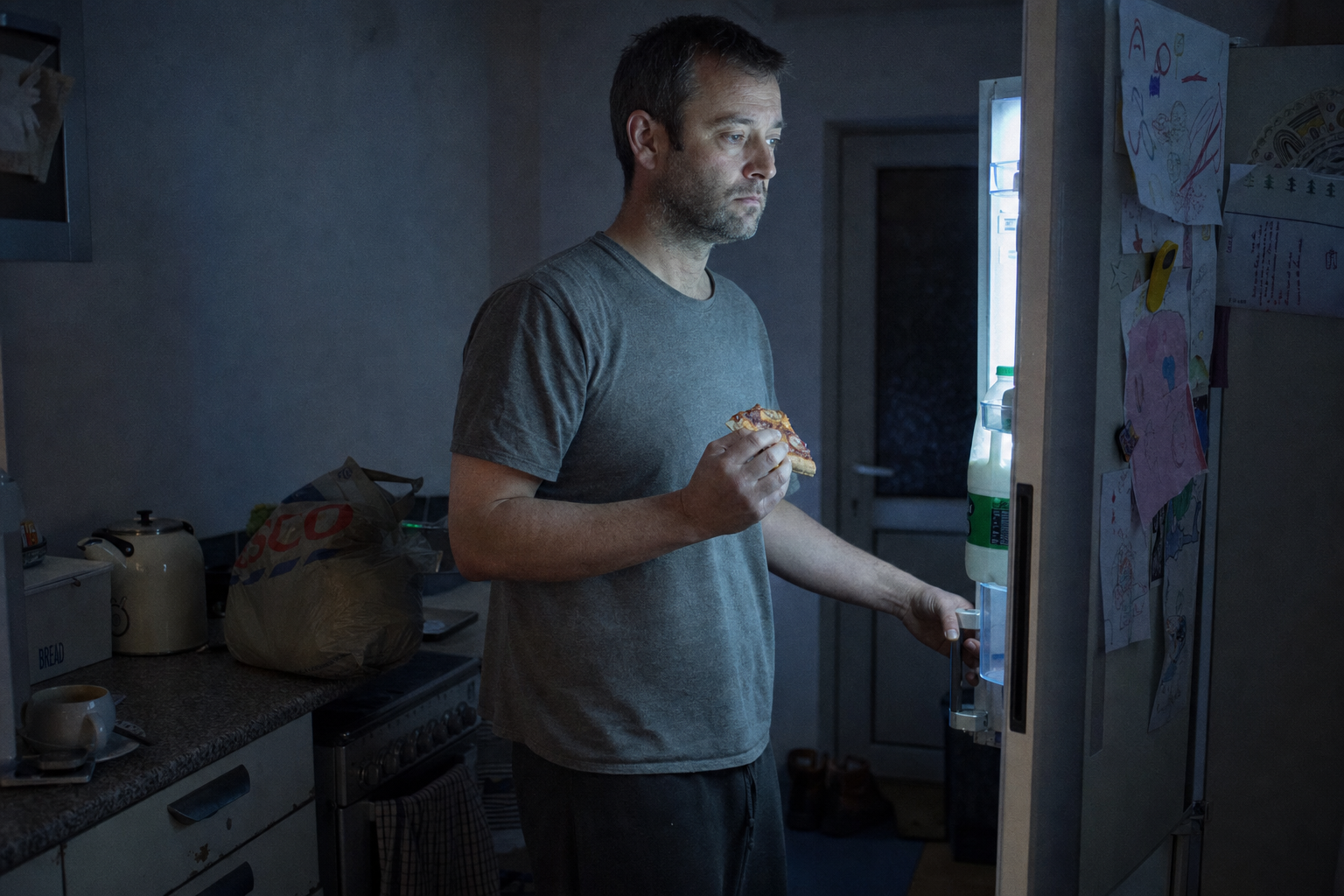
It is eleven at night and you are not hungry.
You know that already. You had a proper tea three hours ago. But you are standing in the kitchen with the fridge door open and the cold light on your hands, looking at shelves you have already looked at twice.
Something small comes out. A slice of cold pizza. A handful of biscuits, eaten standing up, one after another, without tasting any of them. Then the guilt arrives right on time, along with the promise that tomorrow will be different.
It rarely is.
Most advice about this is about food. Portion sizes, what is in the cupboard, willpower, the biscuits you should not have bought. All of it assumes the problem is hunger that got out of hand. For a lot of people it was never hunger in the first place.
Watch the moment before you open the door. There is usually a feeling first, and it is rarely a big one. A flatness once the kids are in bed. The last bit of tension from the day with nowhere to go. A message you did not answer. The house goes quiet and something in you goes looking for a way to fill the gap.
Food is very good at this. It is warm, it is quick and it asks nothing of you. For ten minutes the feeling goes dim, and the part of you that has held the whole day together finally gets to stop. It passes for relief because it is relief, though feeling less is not feeling better and some part of you knows it.
That is not greed. It is one of the oldest reasons anyone has ever done anything. You were uncomfortable and you found something that worked.
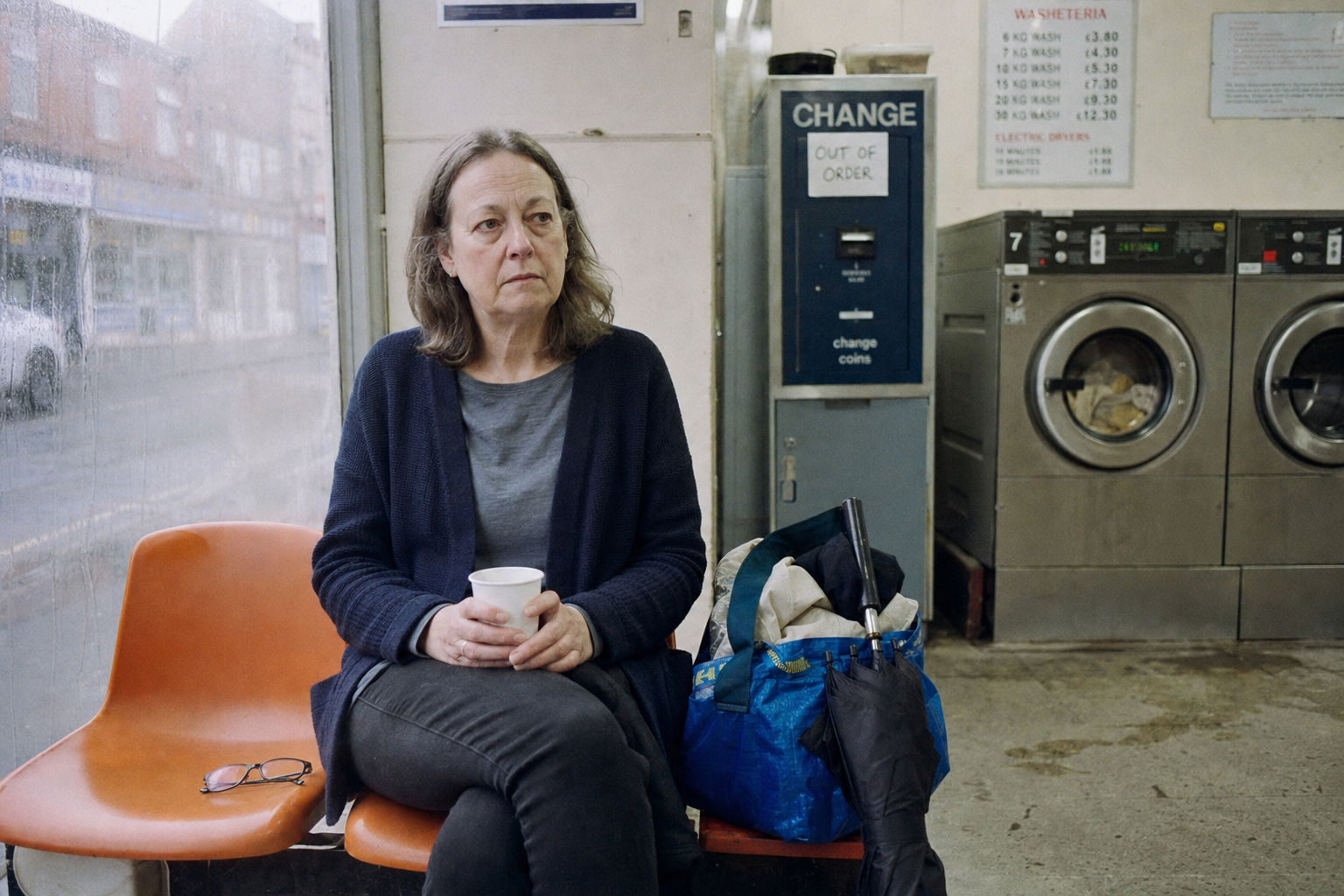
It also explains why so many people doing this are simply spent. They are tired in a way sleep does not fix, and the kitchen at night is the only part of the day that belongs to them. Nobody is asking anything of them there. Nobody needs anything.
So the usual fixes wear out. Bin the biscuits and the pattern finds the next thing. Crisps, bread, whatever is closest to hand. Eat a bigger tea and you still end up at the fridge, because a full stomach was never what you were asking for.
The habit is also older than the kitchen you are standing in. Somewhere along the way, food got attached to a feeling. A child told to finish the plate. A house where treats meant love. A bad year when the evening snack was the one thing you could count on. Your mind filed it away: this feeling, that response.
After enough repetitions the whole thing runs without you. This is why “just stop” goes nowhere. A habit that runs below choice does not take instructions from the part of you doing the choosing. You are at the fridge before you have noticed you got up.
Guilt makes it worse, and nobody quite says so. The shame of the late-night eating becomes its own uncomfortable feeling. And what do you do with an uncomfortable feeling at eleven at night? You know the answer. That loop is why the same person can be disciplined all day and helpless for twenty minutes after dark.
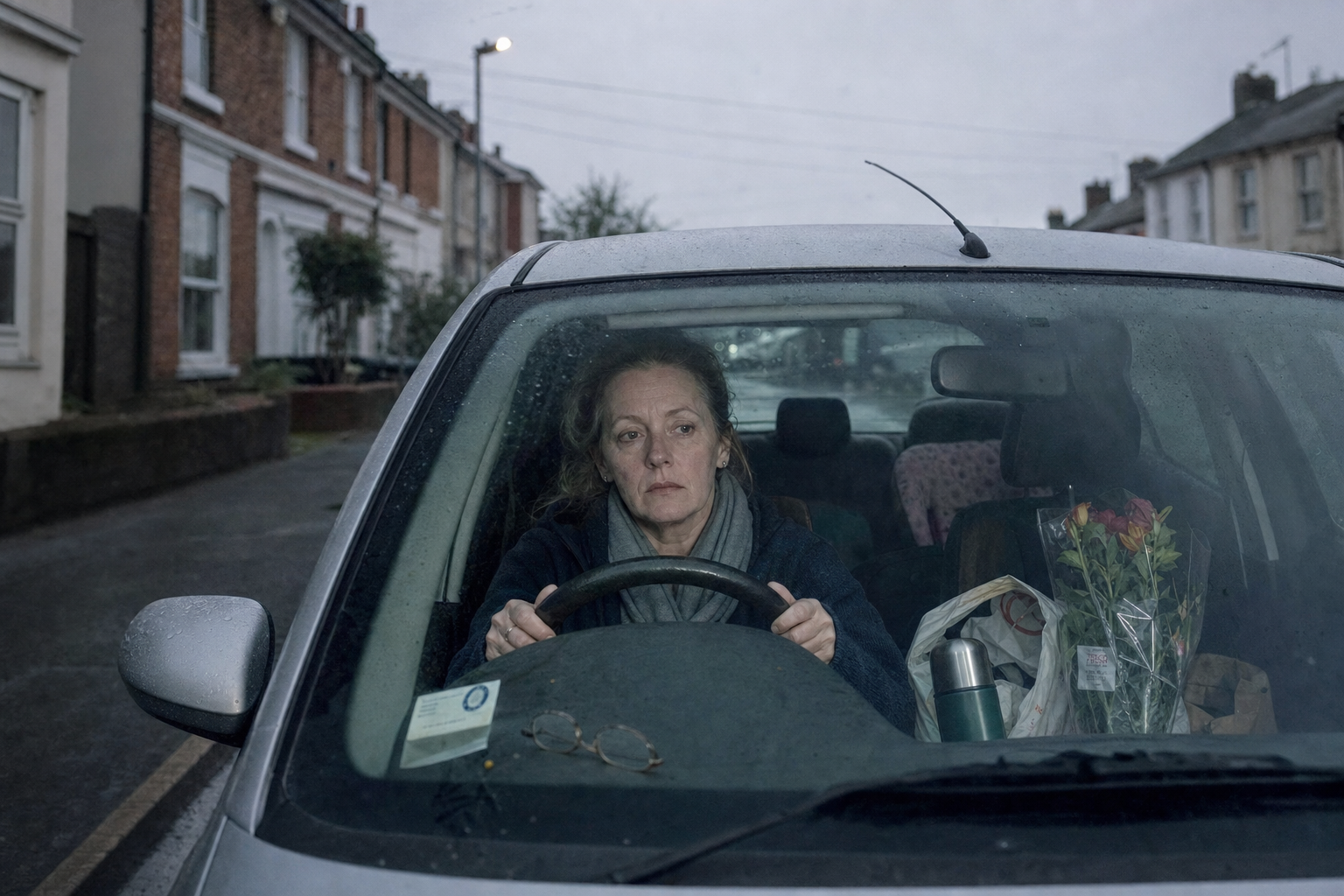
Plenty of people have tried to fix this by cutting the food out of the house. It works for a week, sometimes two. Then a bad day arrives and they are in the car at ten o'clock, driving to the garage for the very thing they threw away. The craving was never in the cupboard. It was in the evening, and the evening travels with you.
Whatever sits underneath it, the pattern has a root, and the root is rarely the thing on the plate.
Notice when it happens, not what you eat. For most people it is a narrow window. After the washing up, once the telly is on, or in the ten minutes between locking the door and going to bed. Rarely at breakfast. Rarely at lunch. The same food sits in the house all day and does not call to you until the evening has gone quiet.
That tells you something. If it were about the food, the food would call all day. It calls when the day stops needing you, and the feelings you have been stepping around since the morning finally catch up.
Some people eat when they are bored, and boredom turns out to be a thin word for something else. A restlessness. A sense that the day gave nothing back. A small ache for company, or for being asked how you are and meaning it. The fridge answers none of these. It only makes them quieter for a while, and then they come back with a bit of guilt attached.
There is a physical side too, and it is worth saying plainly. Eating late, fast and on your feet is not enjoyable eating. You barely taste it. The body registers calories but the mind never registers a meal, so some part of you stays unsatisfied and keeps looking. That is why one more biscuit rarely settles it. You were never after the biscuit.
None of this means the habit is a character flaw, or that you lack discipline. People who do this are often the most disciplined in the house. They get up on time, they hold down the job, they keep everyone else fed. The late-night eating is simply the one place where the control gives out, because it was never being run by the controlling part in the first place.
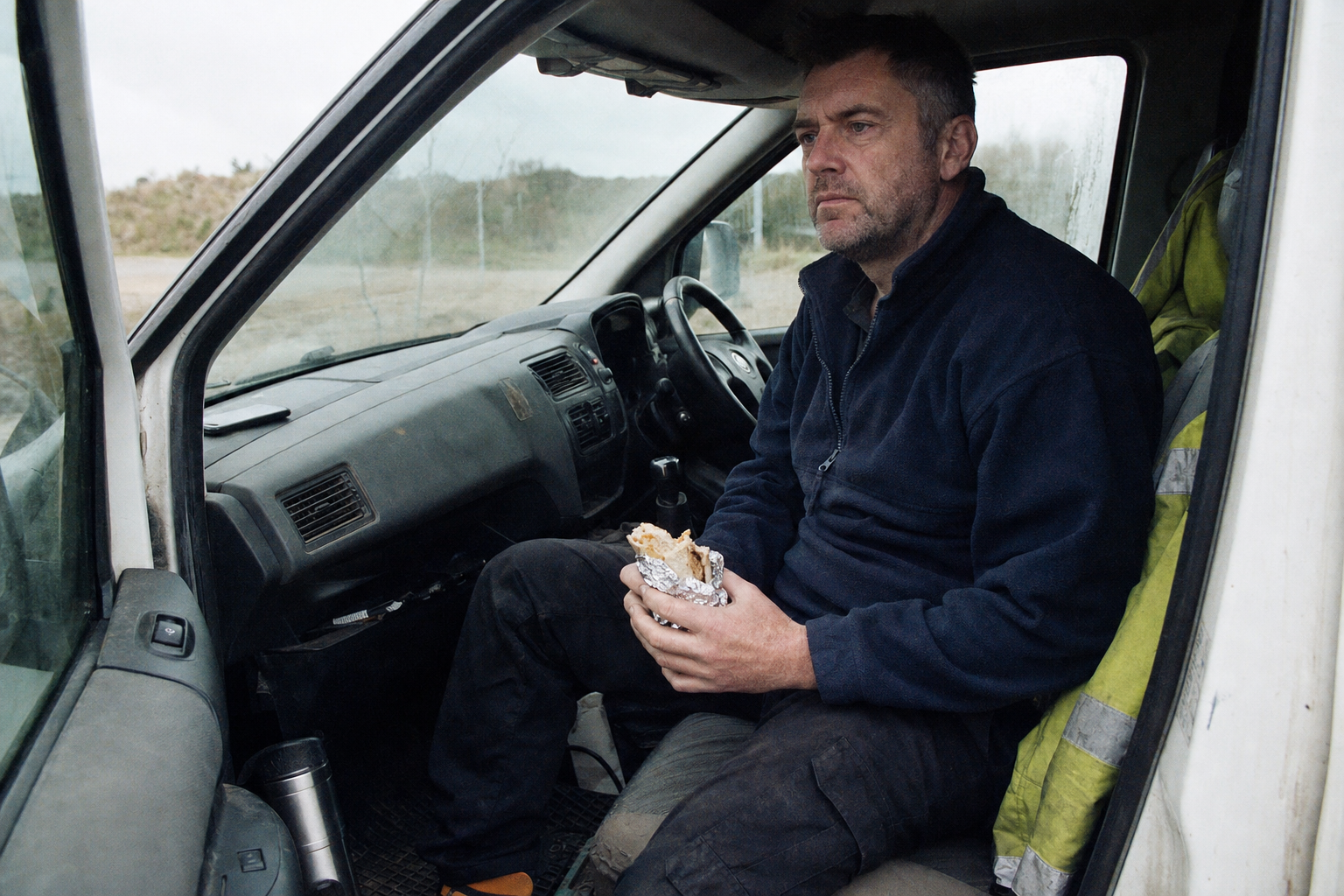
I work with people who are exactly this tired of the cycle. Some run a team, some run a household, some lay floors for a living. They have tried the apps and the plans and the cupboard clear-outs. What they have never been asked is what the eating is for, and what it has been quietly covering all this time.
When that gets answered, something odd happens. The pull at the fridge door does not need beating. It simply loses its job. You open the door, see a lot of food, and notice that nothing in you is asking for it.
Until then, the biscuits are not the problem. They are only the nearest thing to hand.

Subscribe to our newsletter